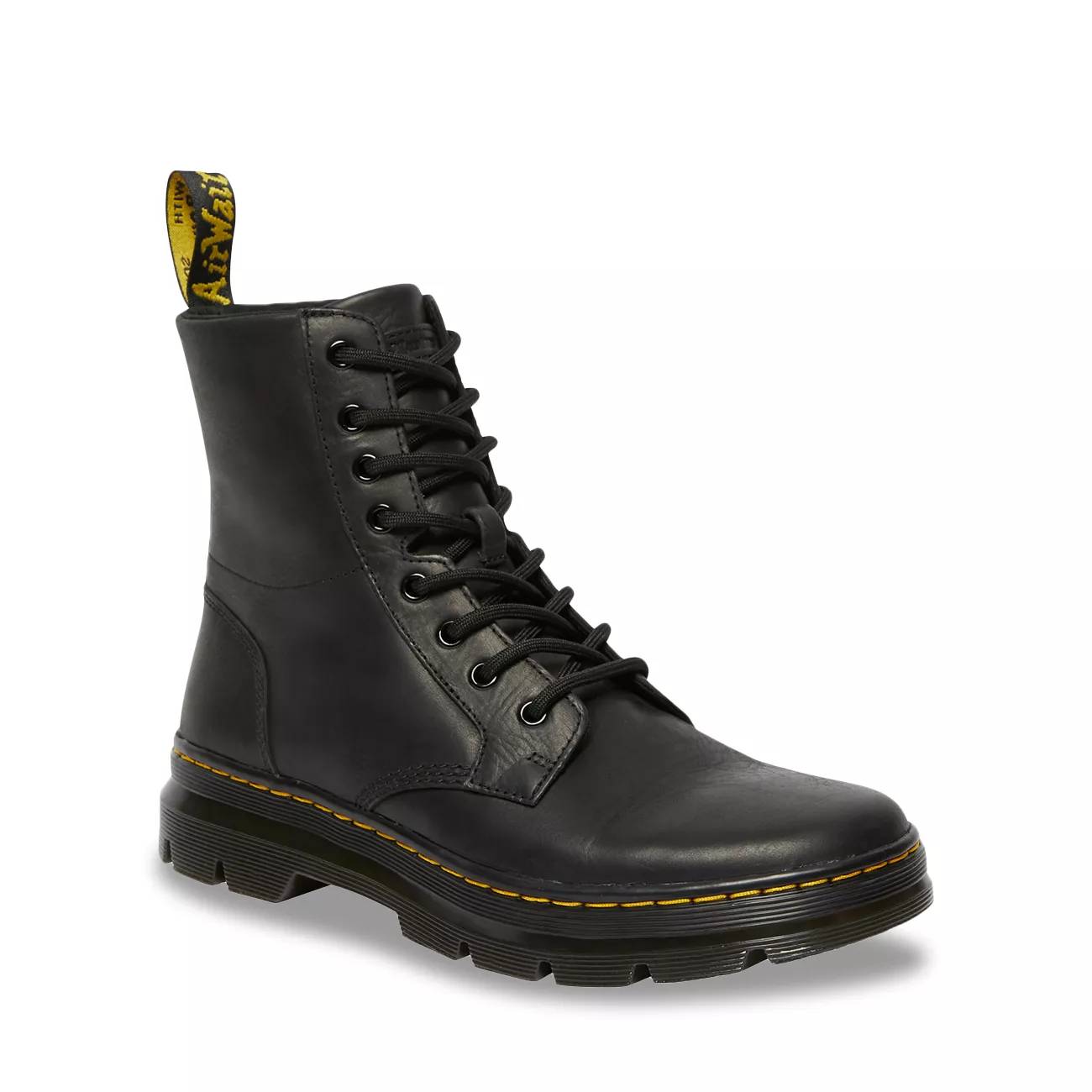
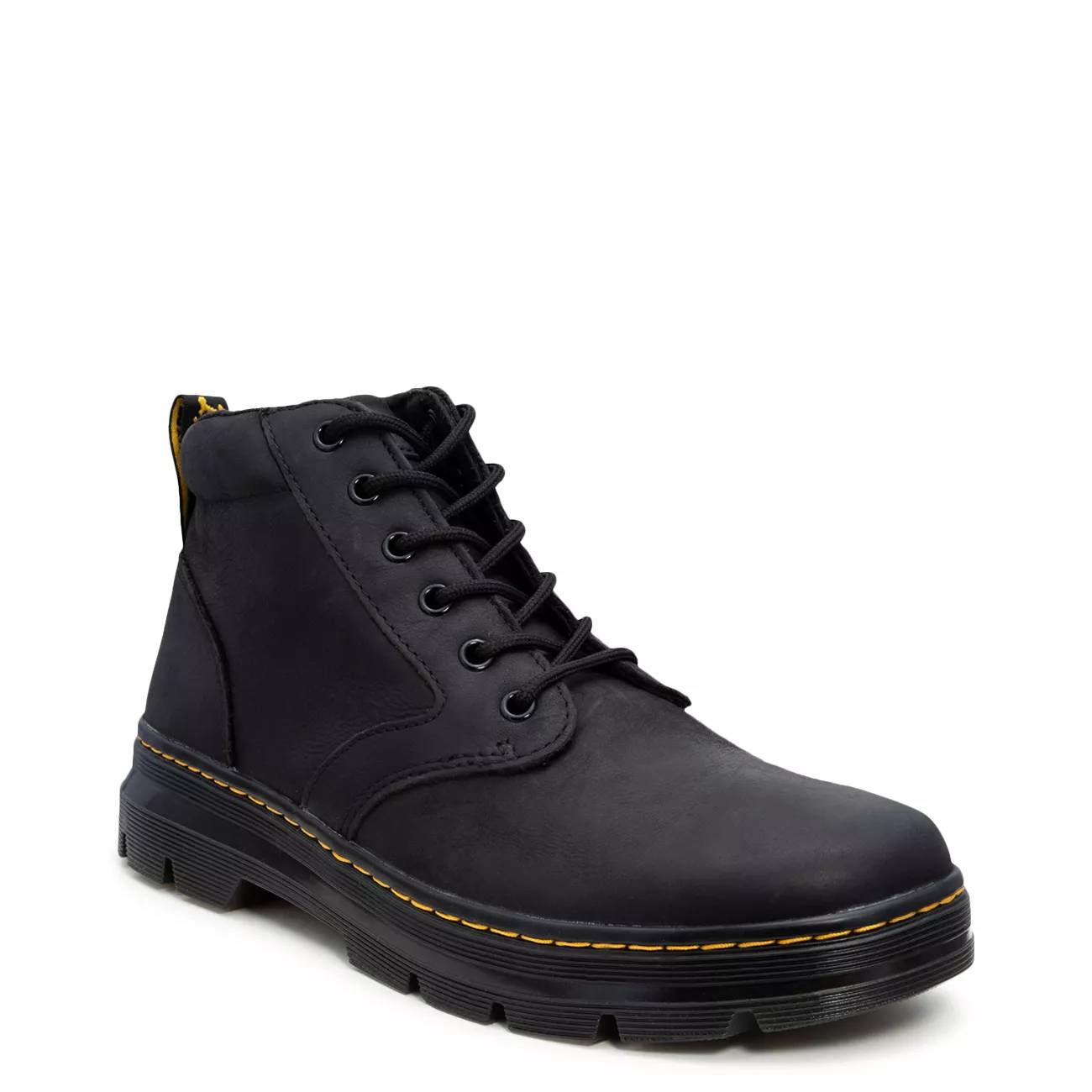
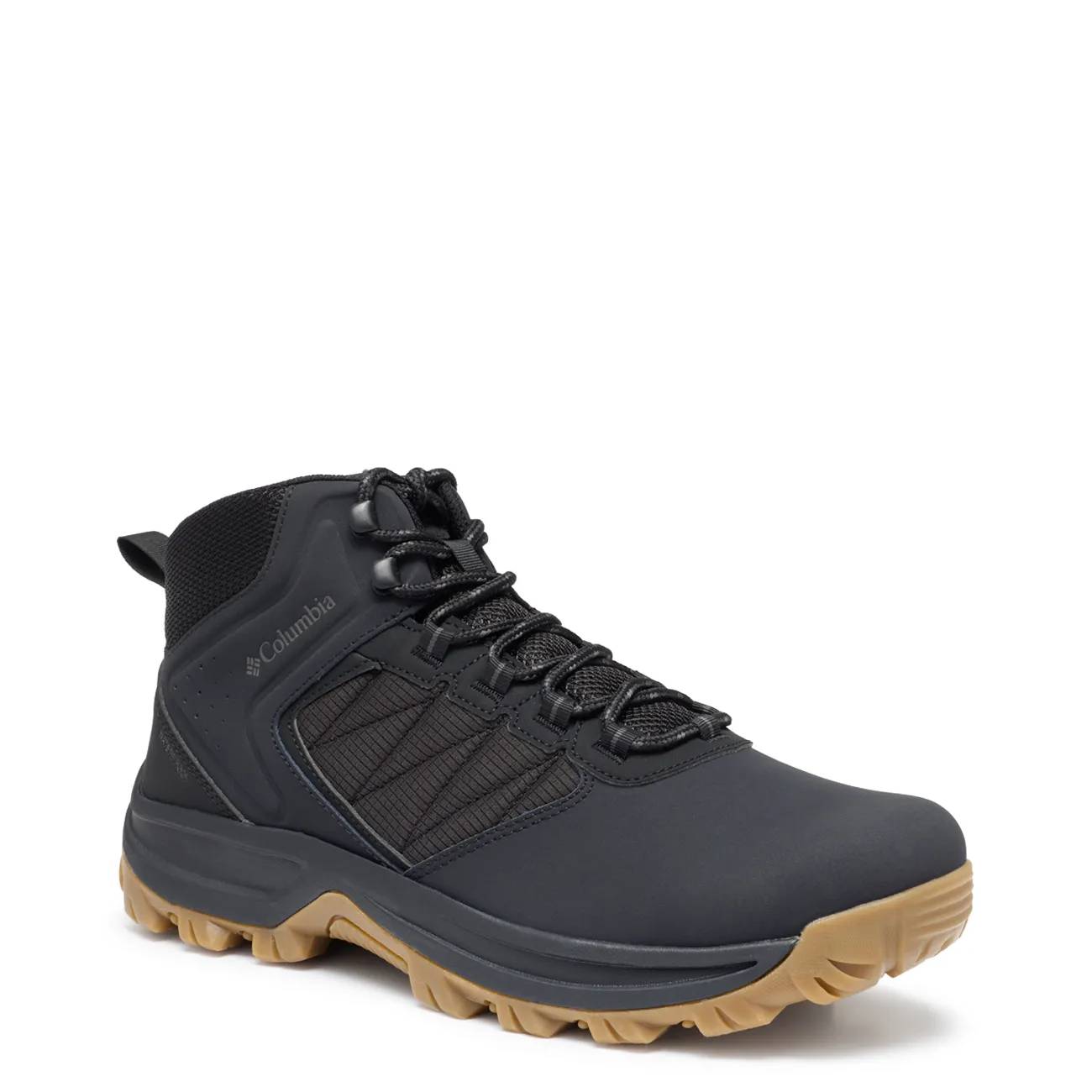
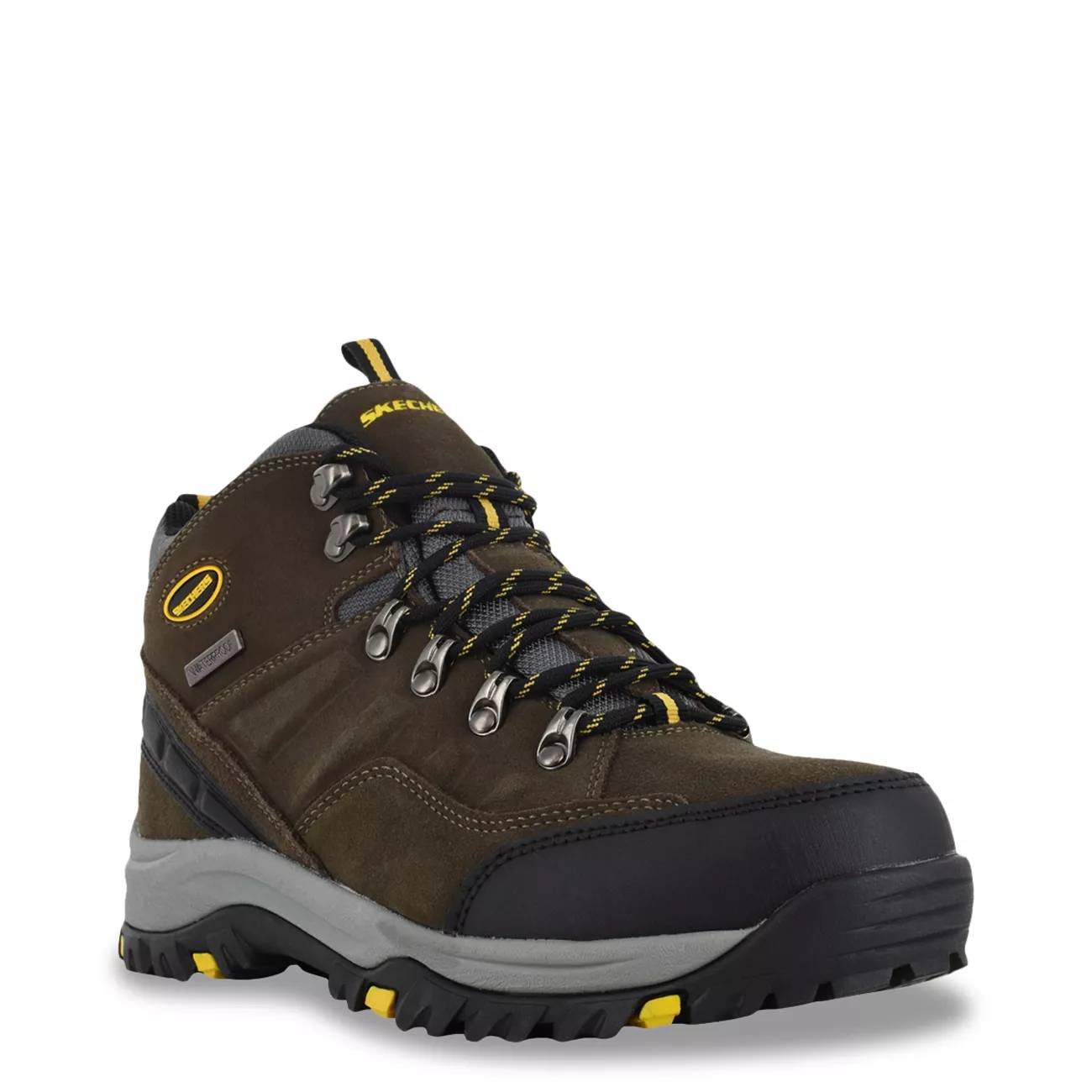
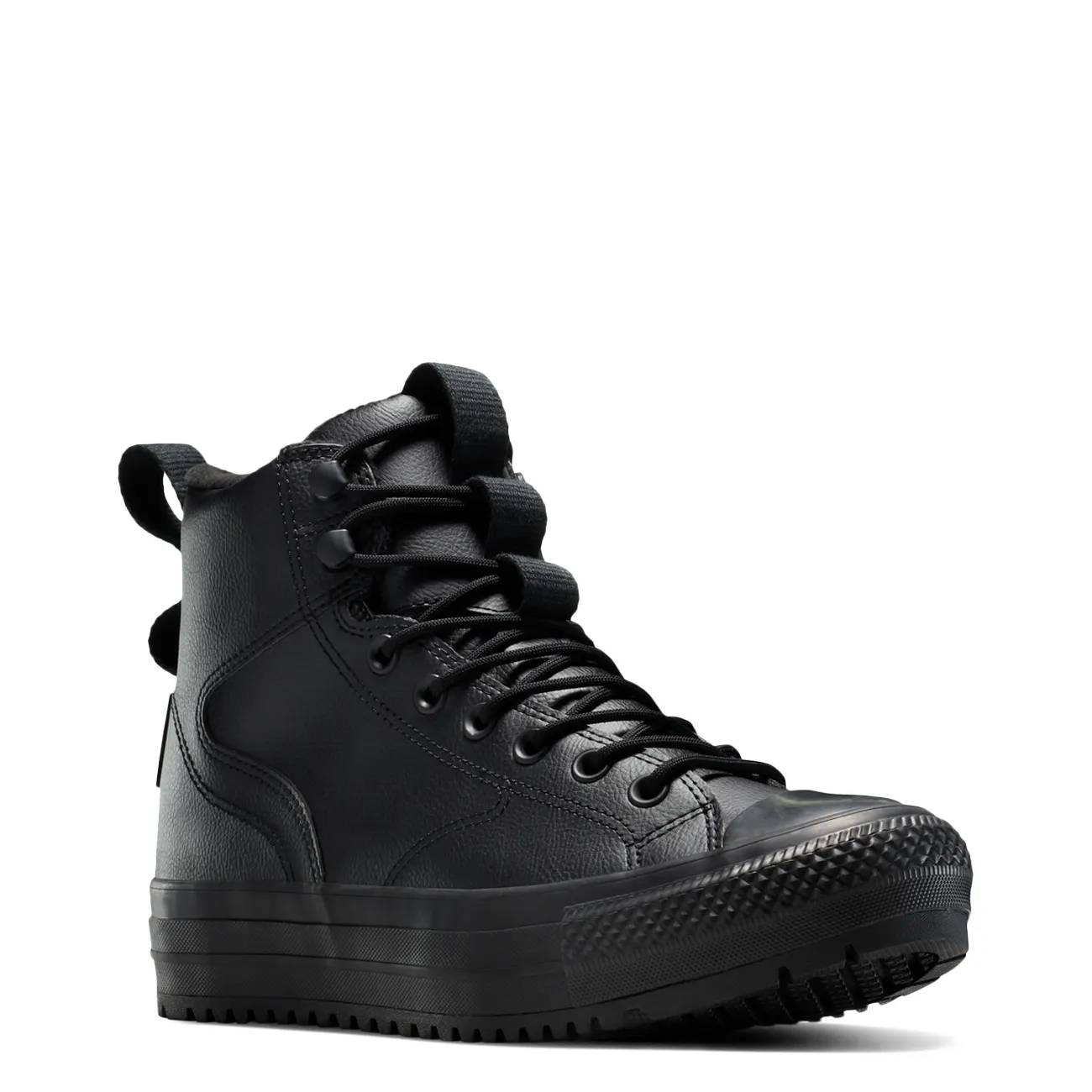
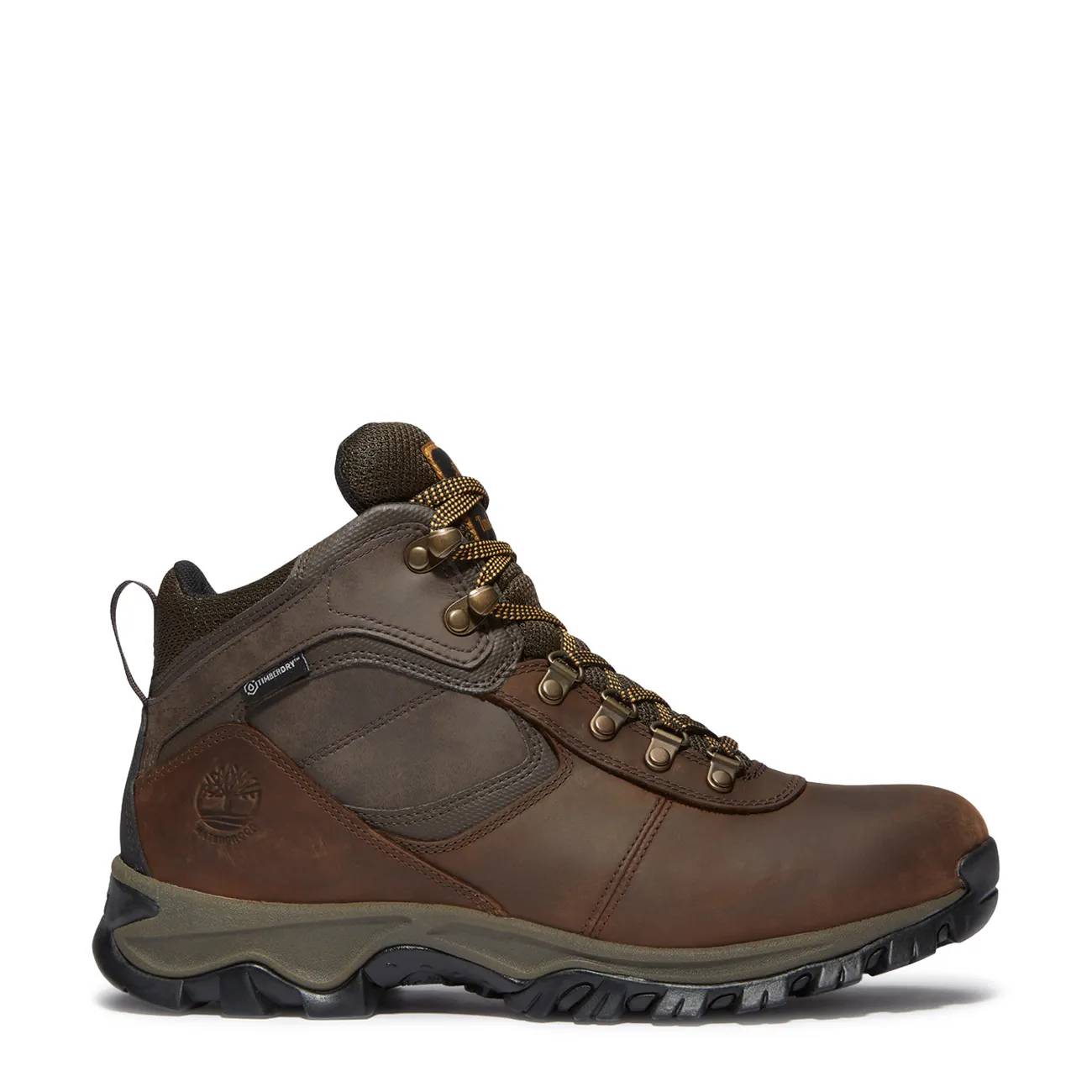
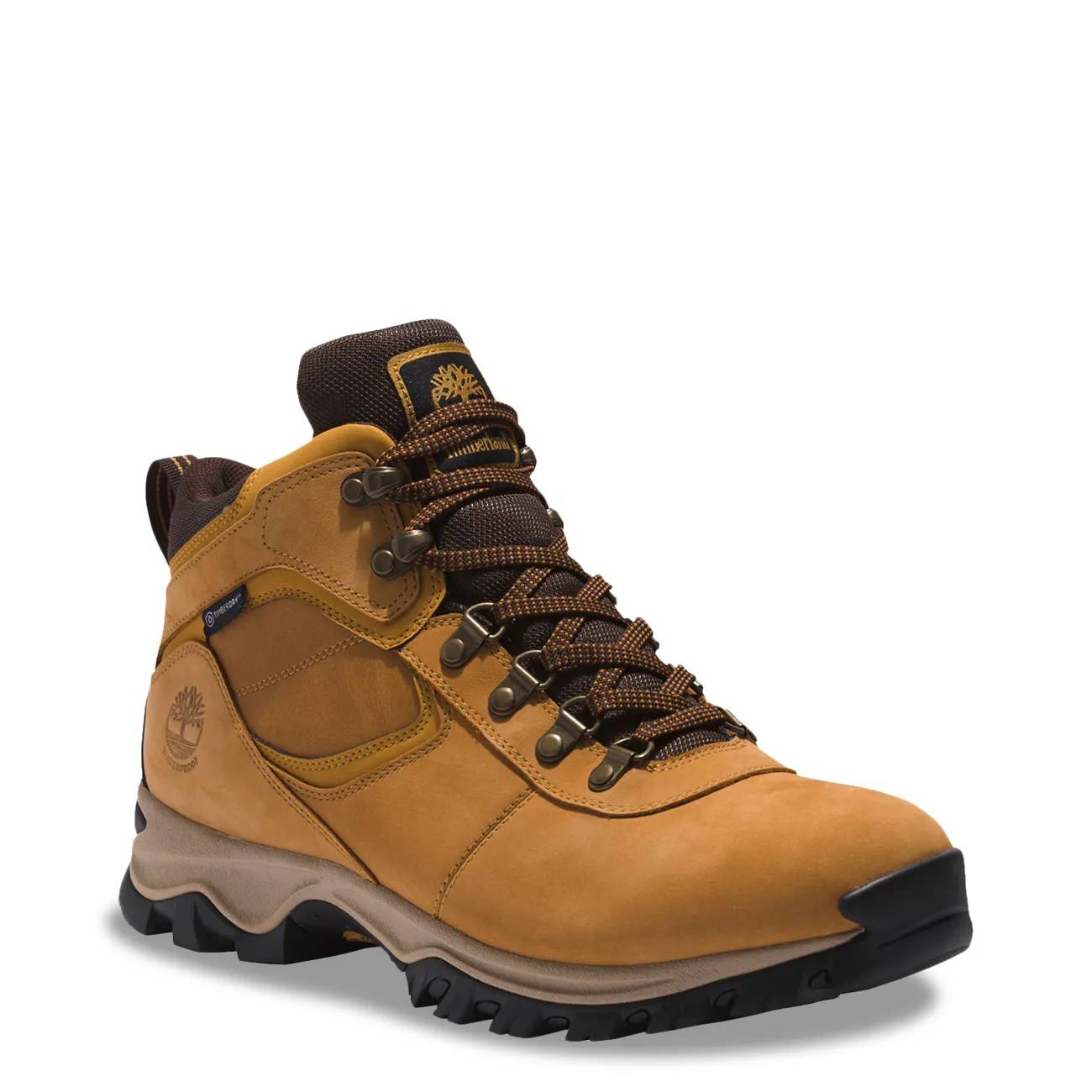
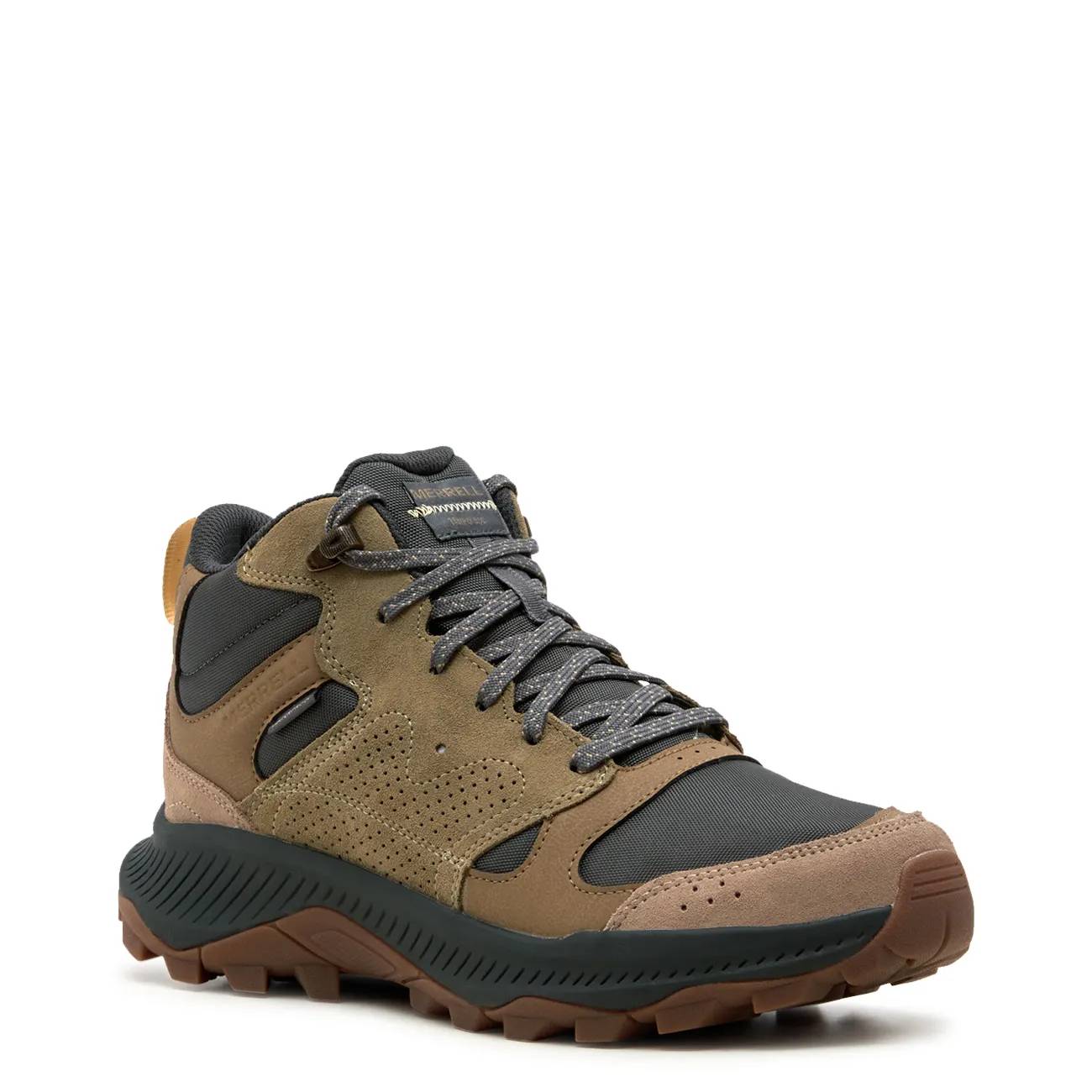
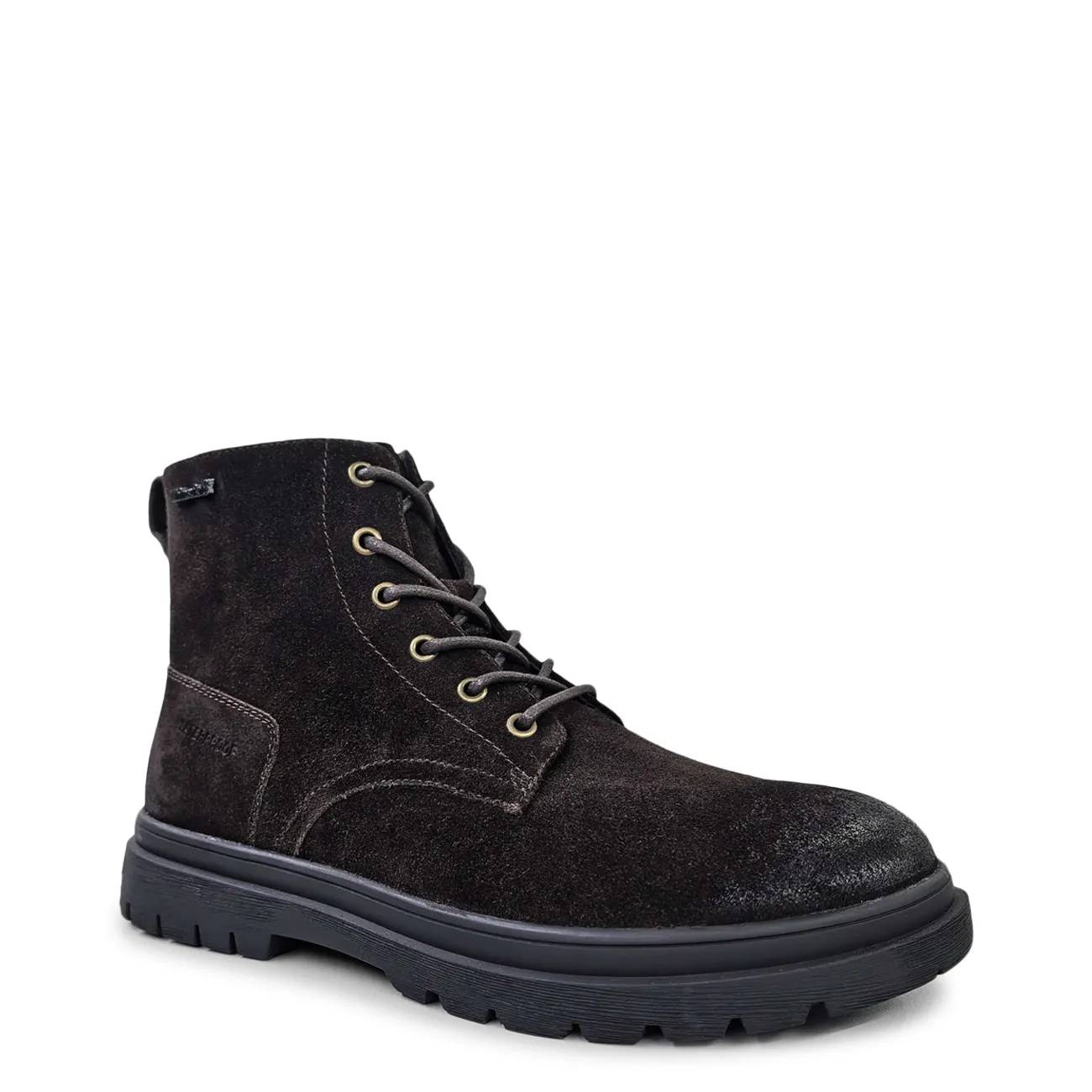
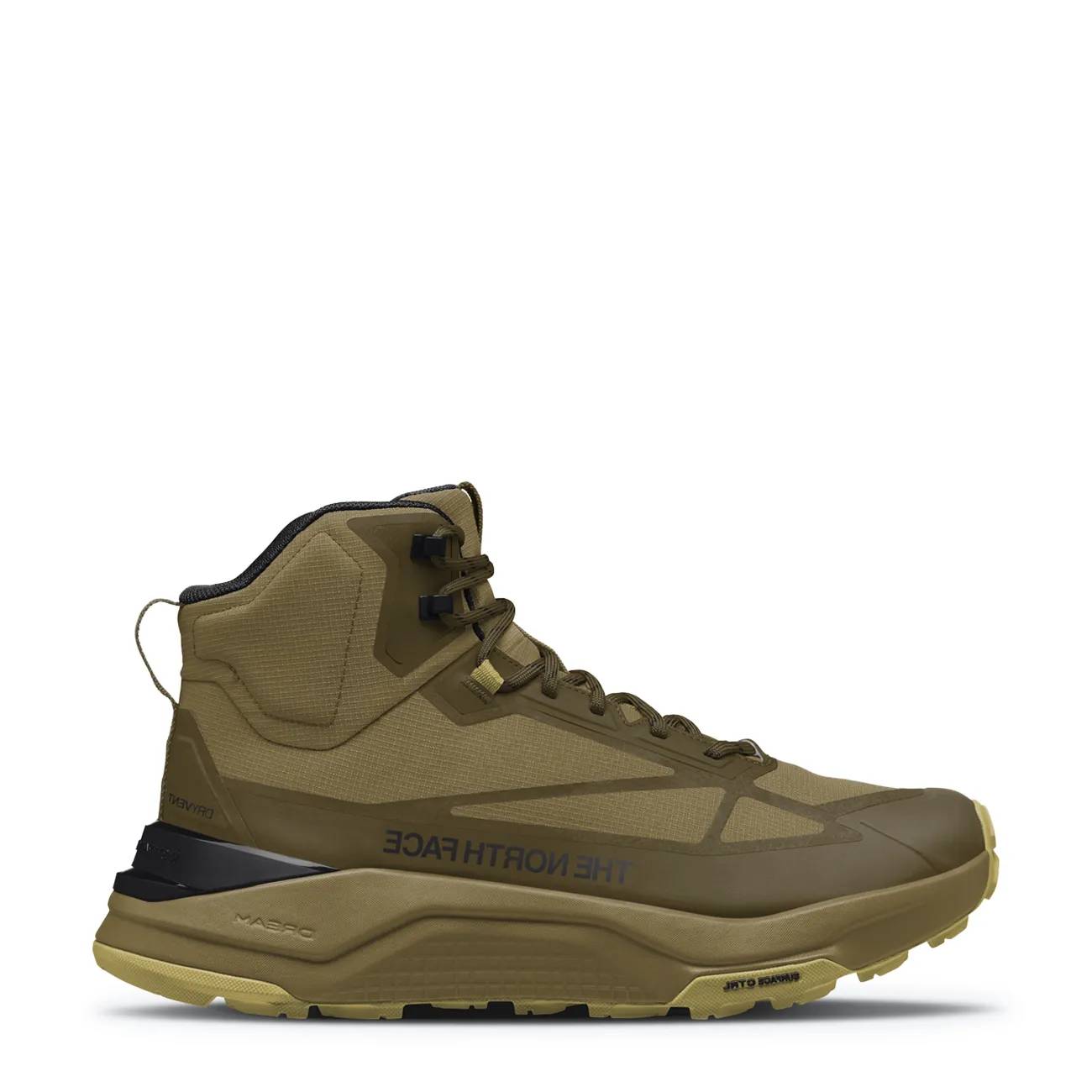
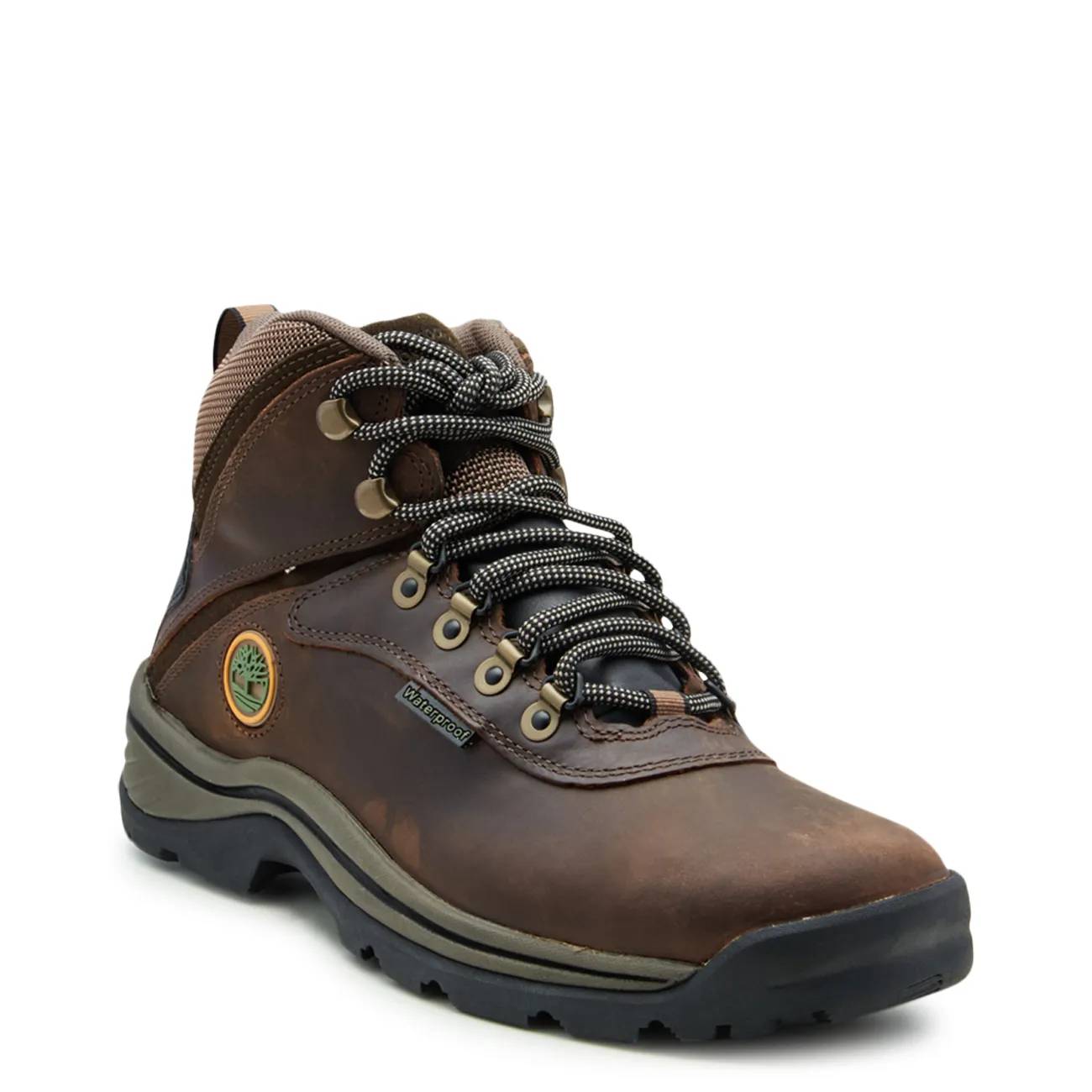
Men's Hiking Boots: Built for Canadian Trails and Shifting Weather
Men's hiking boots need to handle mud, loose rock, and temperature swings that can hit in the same afternoon. This category spans lightweight day-hikers to insulated boots rated for shoulder-season snow. Fit and traction matter more than looks on rocky terrain. A boot that grips wet granite in April should hold up just as well on packed snow in November.
Waterproofing and Traction: What Keeps Your Feet Dry
Waterproof membranes and brand-specific water-resistant coatings block moisture from wet grass, stream crossings, and slush. Look for a rubber lug outsole with deep, multidirectional treads for grip on loose gravel and wet rock. Mid-height and high-cut boots add ankle support on uneven terrain; low-cut hikers work better on groomed trails and in warmer months. Wool or synthetic hiking socks cut moisture buildup inside the boot, and a snug heel counter keeps your foot from sliding on steep descents.
Leather uppers hold up longer under abrasion but take more time to break in than synthetic mesh builds. Synthetic boots dry faster after a soaking, which matters on multi-day trips through Canadian rain. A cushioned midsole and internal shank add stiffness underfoot on sharp rock without adding much weight to the boot.
Choosing the Right Boot for the Season
Ontario spring trails and Alberta fall hikes call for different builds. A three-season boot with a breathable liner works for most of the year. Winter hiking near freezing temperatures needs insulation rated for cold and a sole that stays flexible in low temperatures. Rubber compounds stiffen in the cold, so a boot built for winter conditions grips better on ice and packed snow. A 200-gram insulation rating handles most Canadian winter trails; deep-freeze days call for 400 grams or more.
FAQs
What's the difference between hiking boots and hiking shoes?
Hiking boots extend above the ankle for support on uneven terrain, while hiking shoes sit lower and weigh less for shorter, well-maintained trails.
How do I know what size hiking boot to buy?
Order a half size up from your regular shoe size to leave room for thick socks and toe movement on descents. Check width options if your feet run wide.
Are waterproof hiking boots worth it in Canada?
Yes. Waterproof membranes matter for wet spring trails and early snow, and they extend the usable season for a single pair of boots.