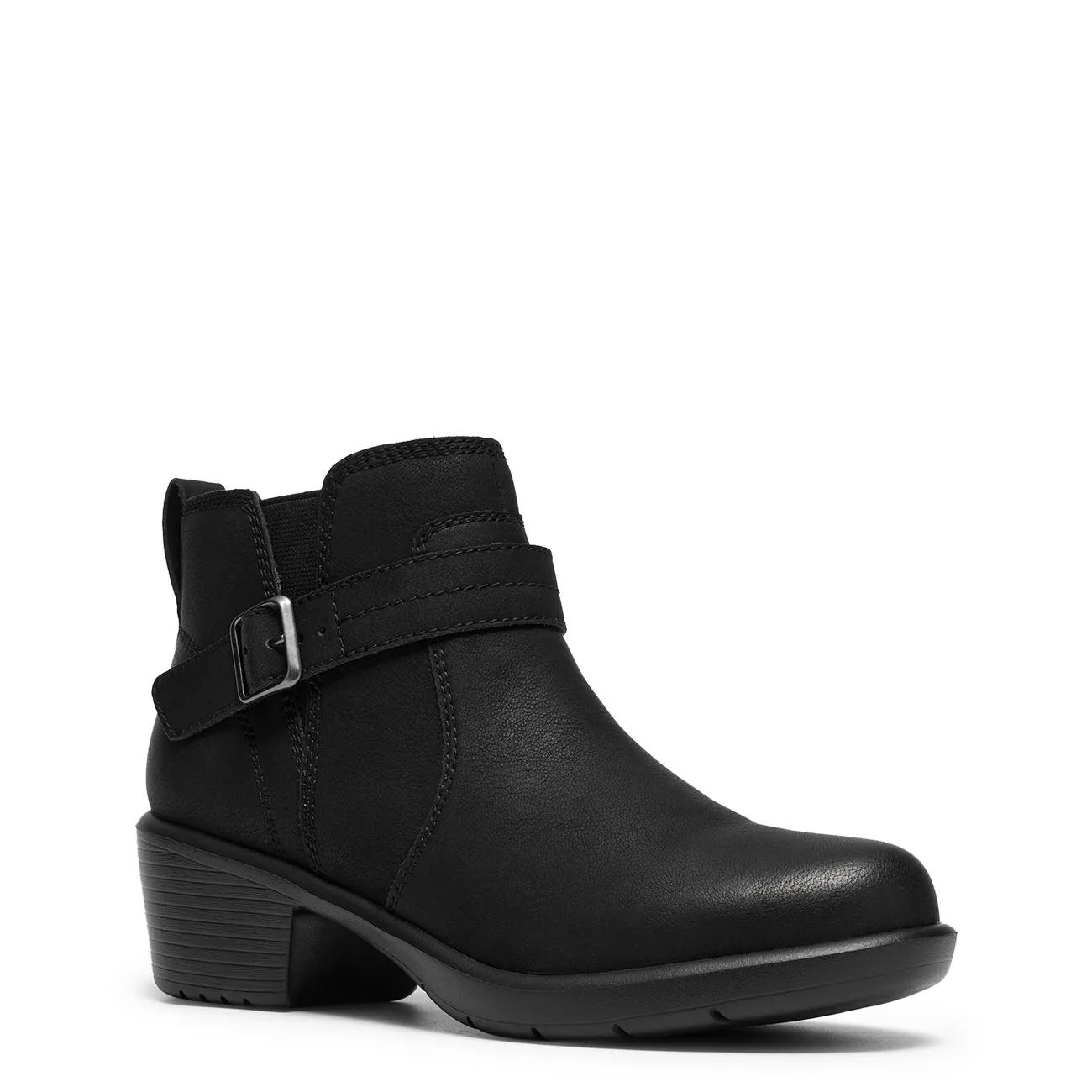
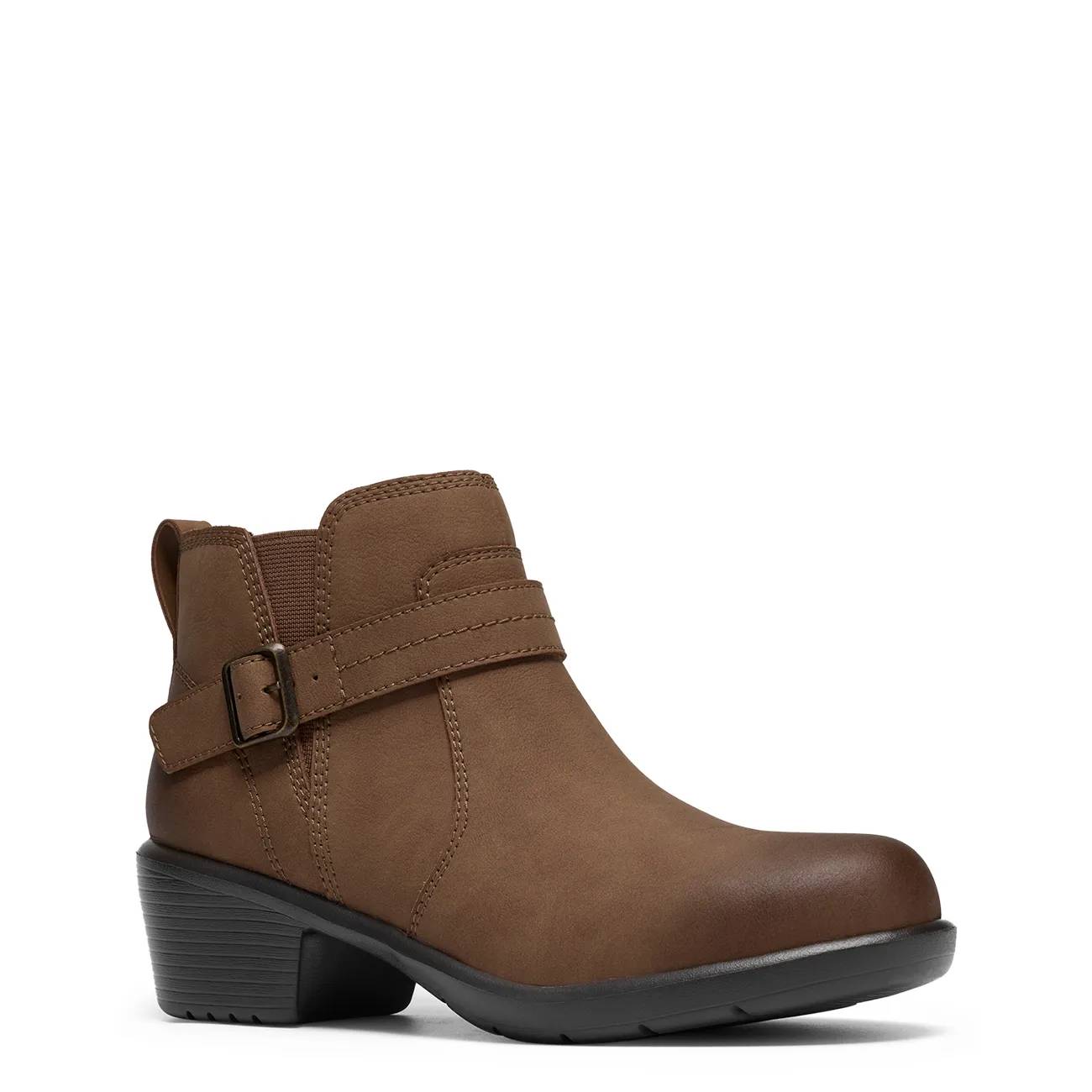
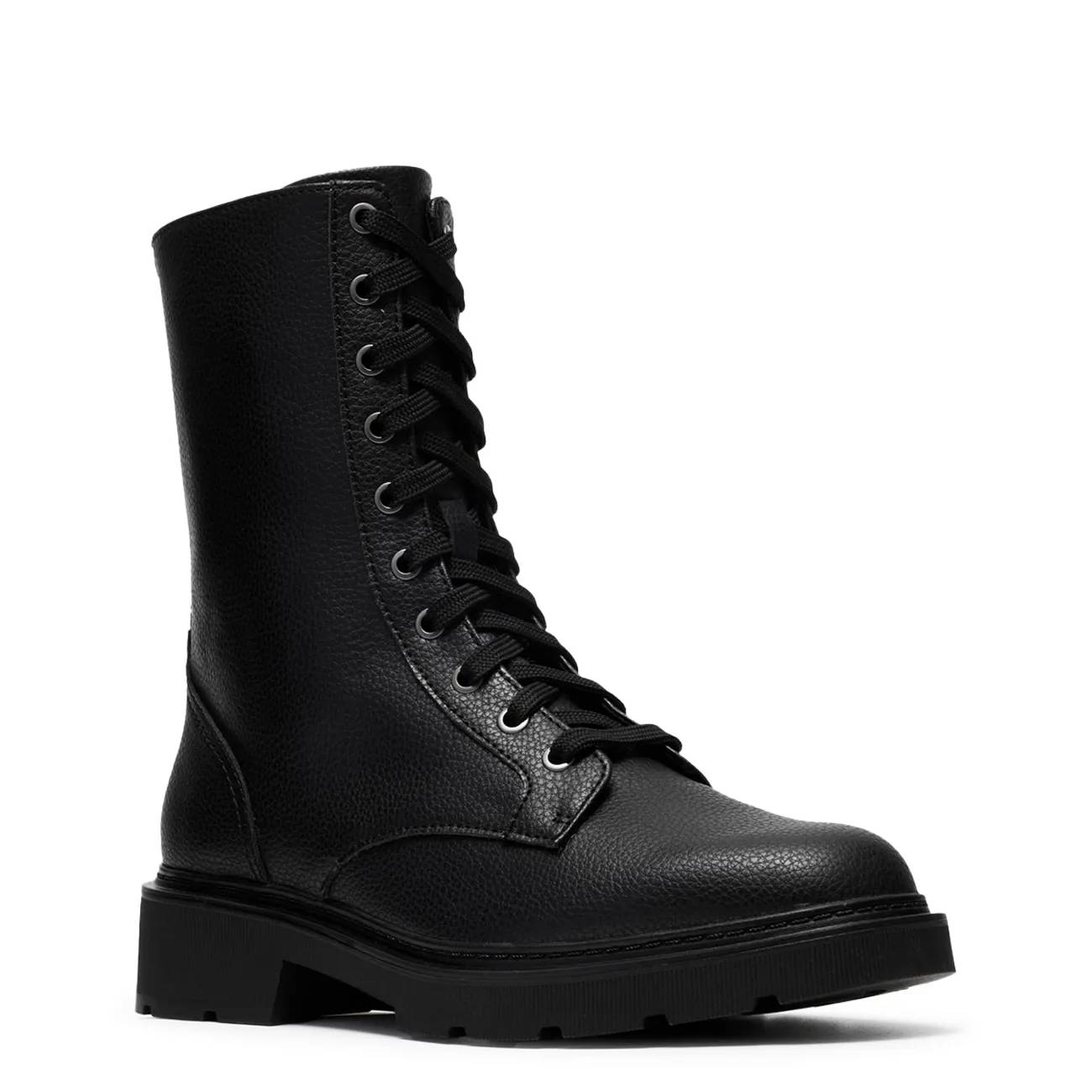
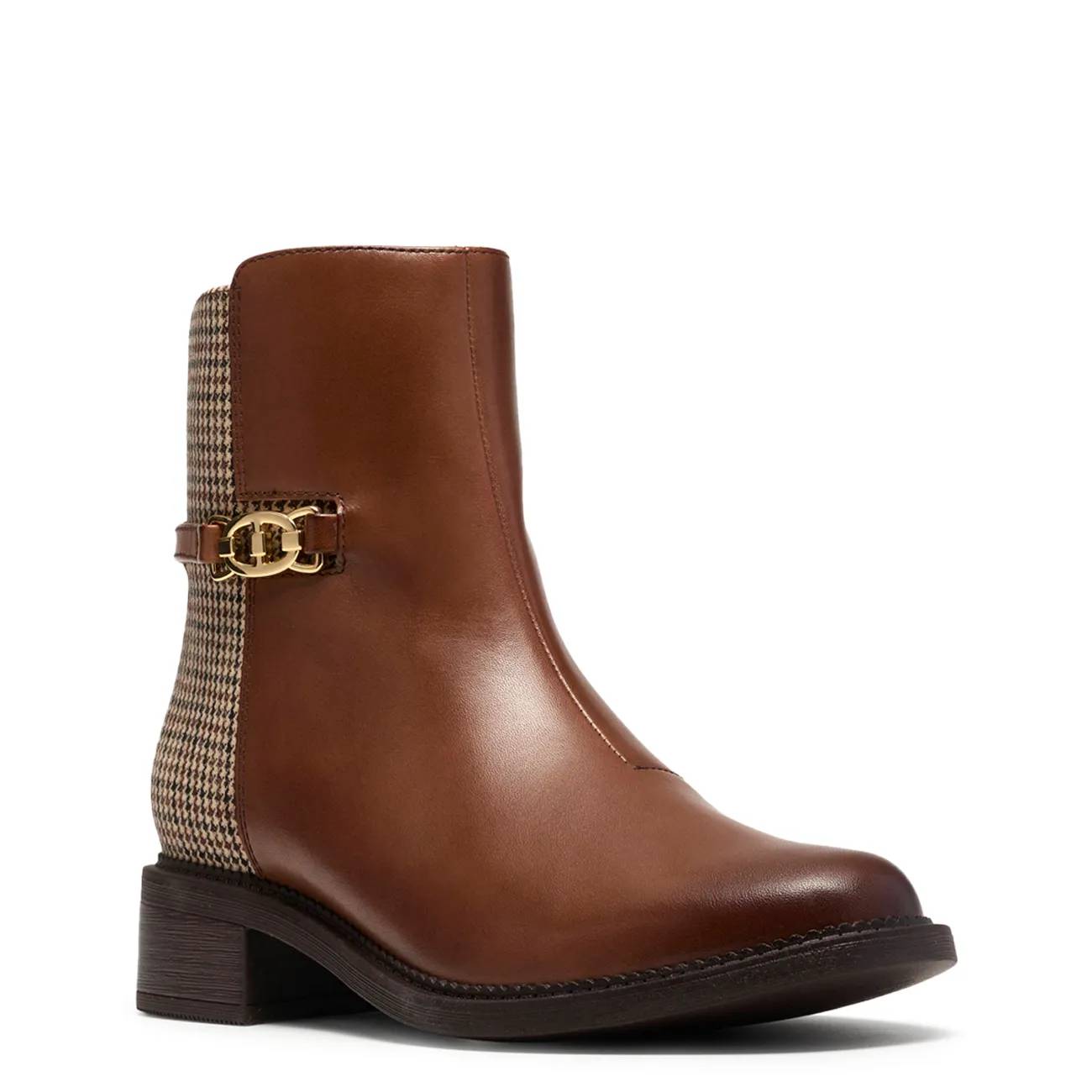
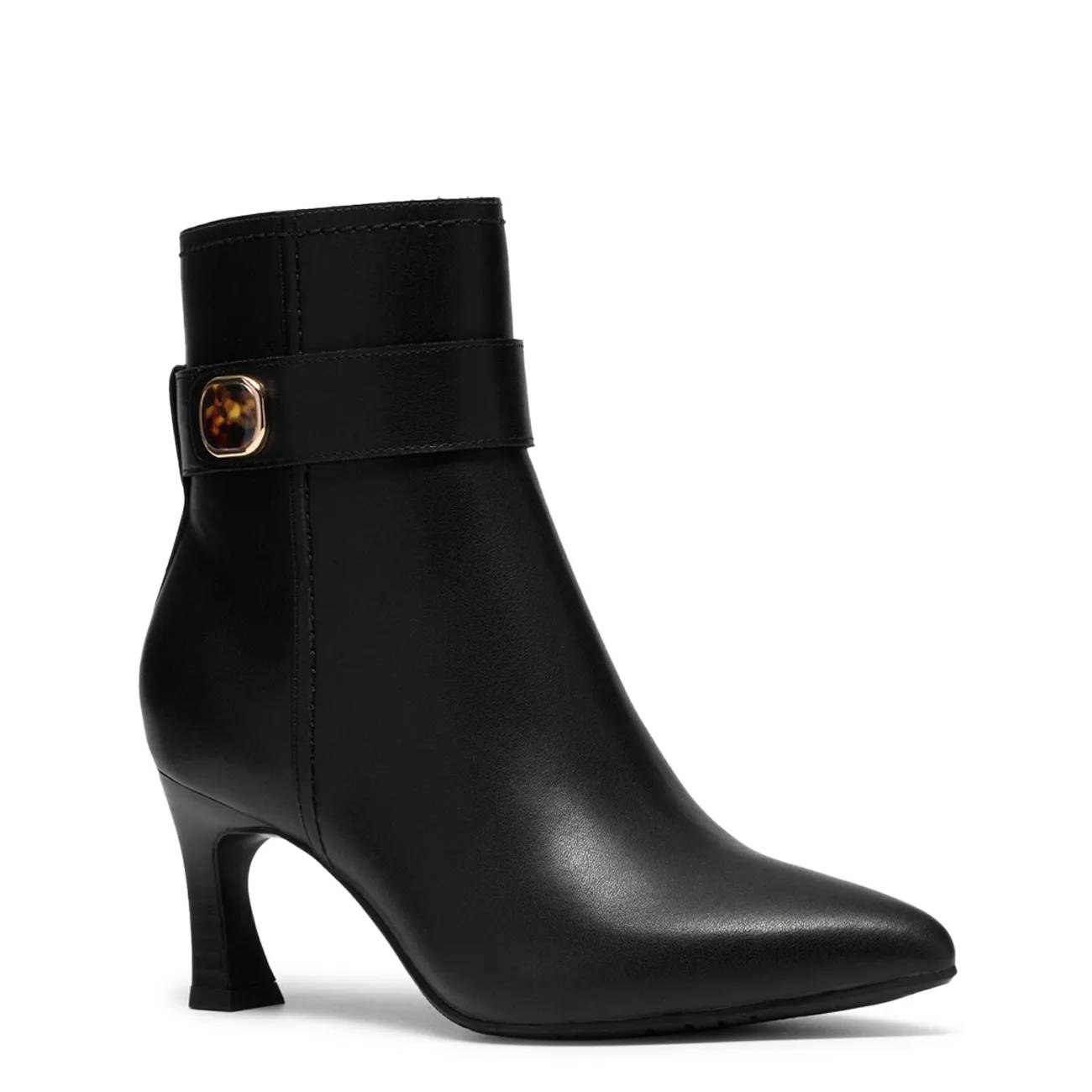
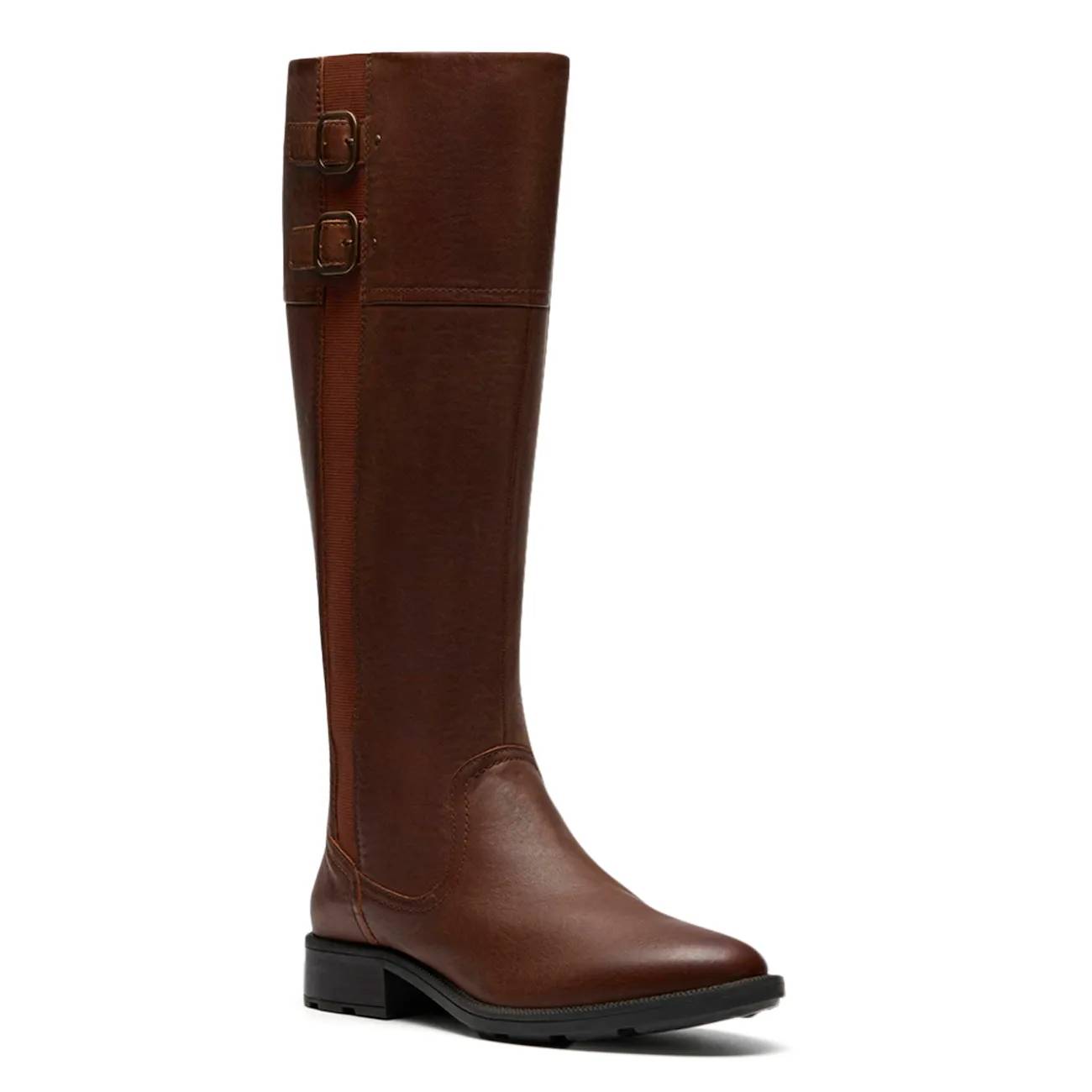
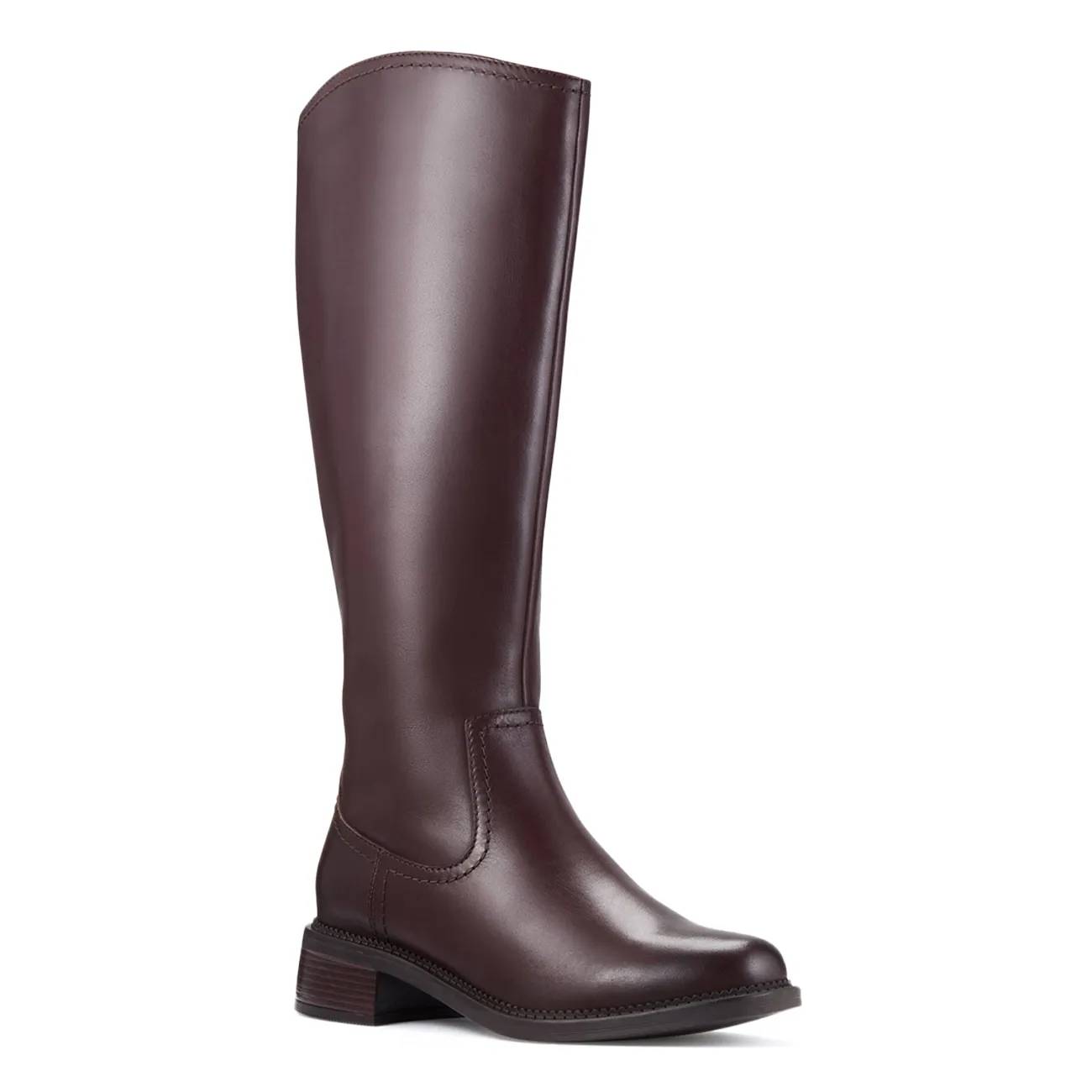
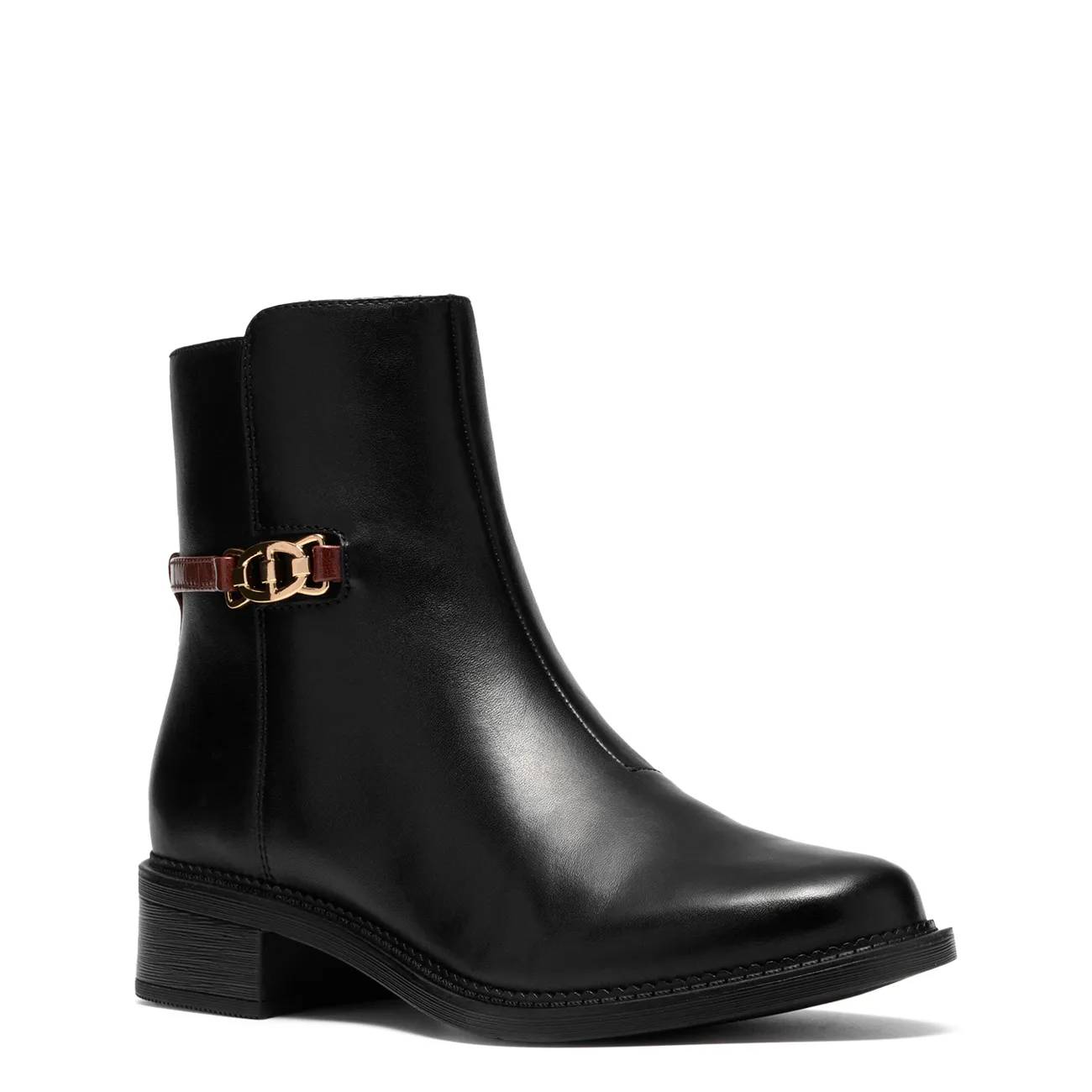
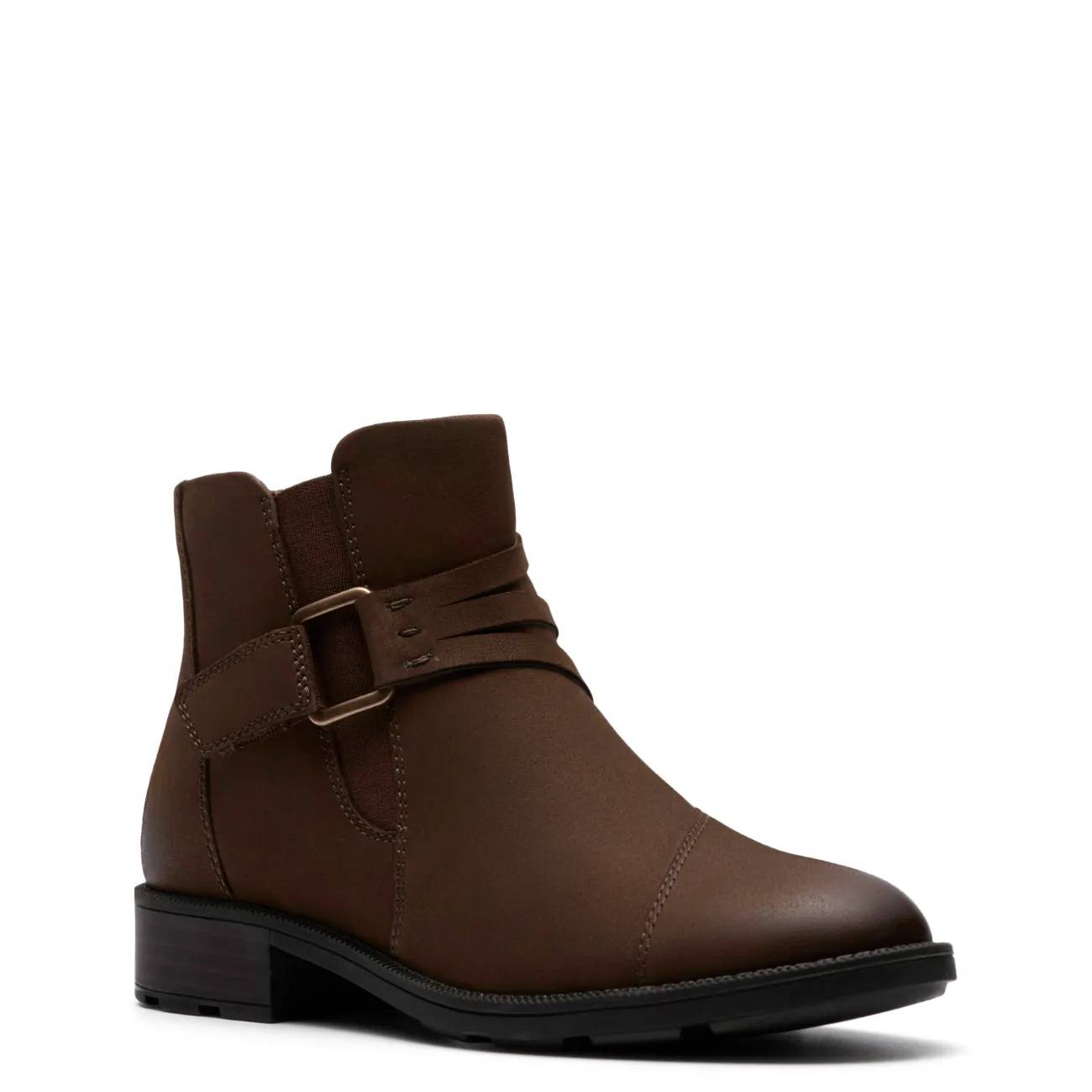
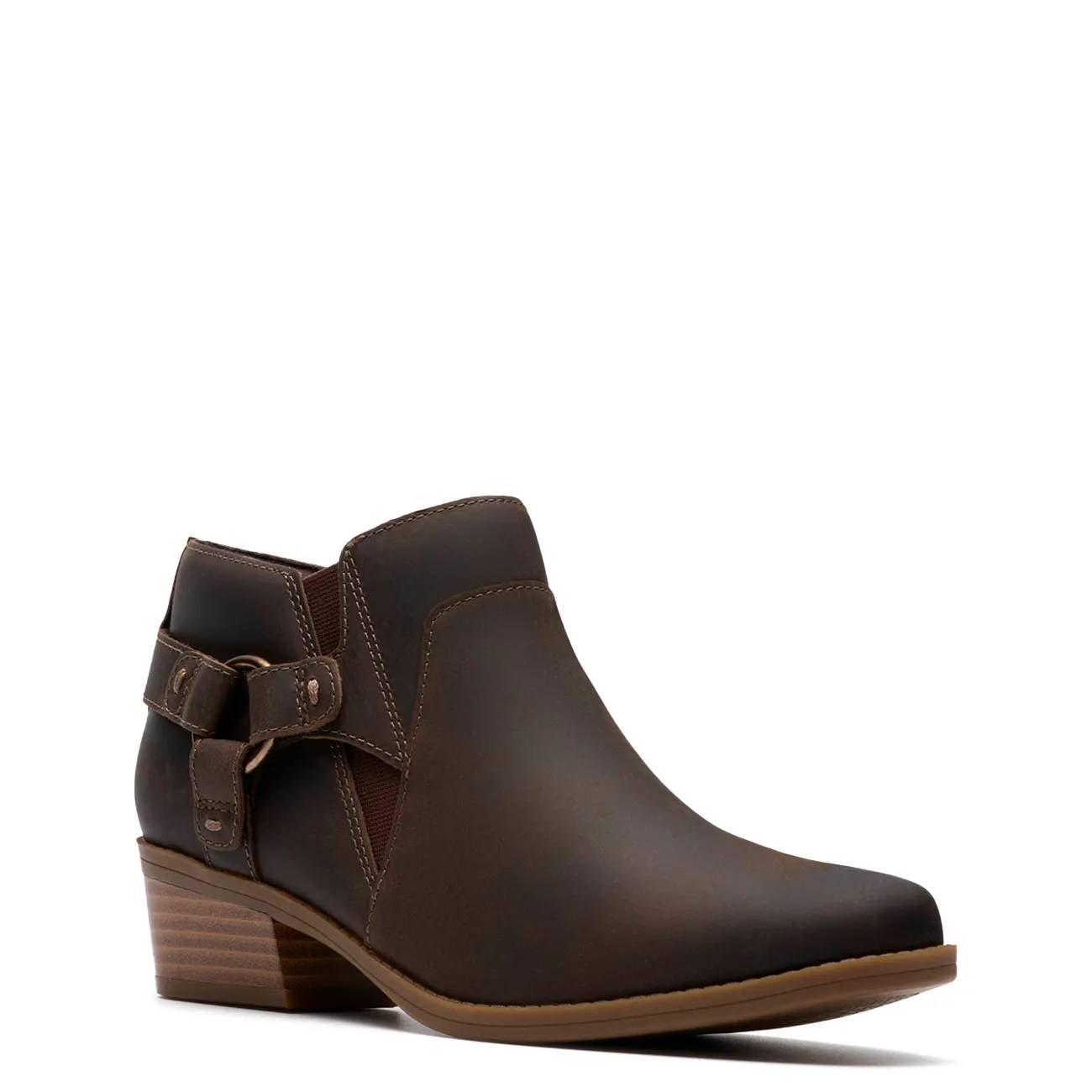
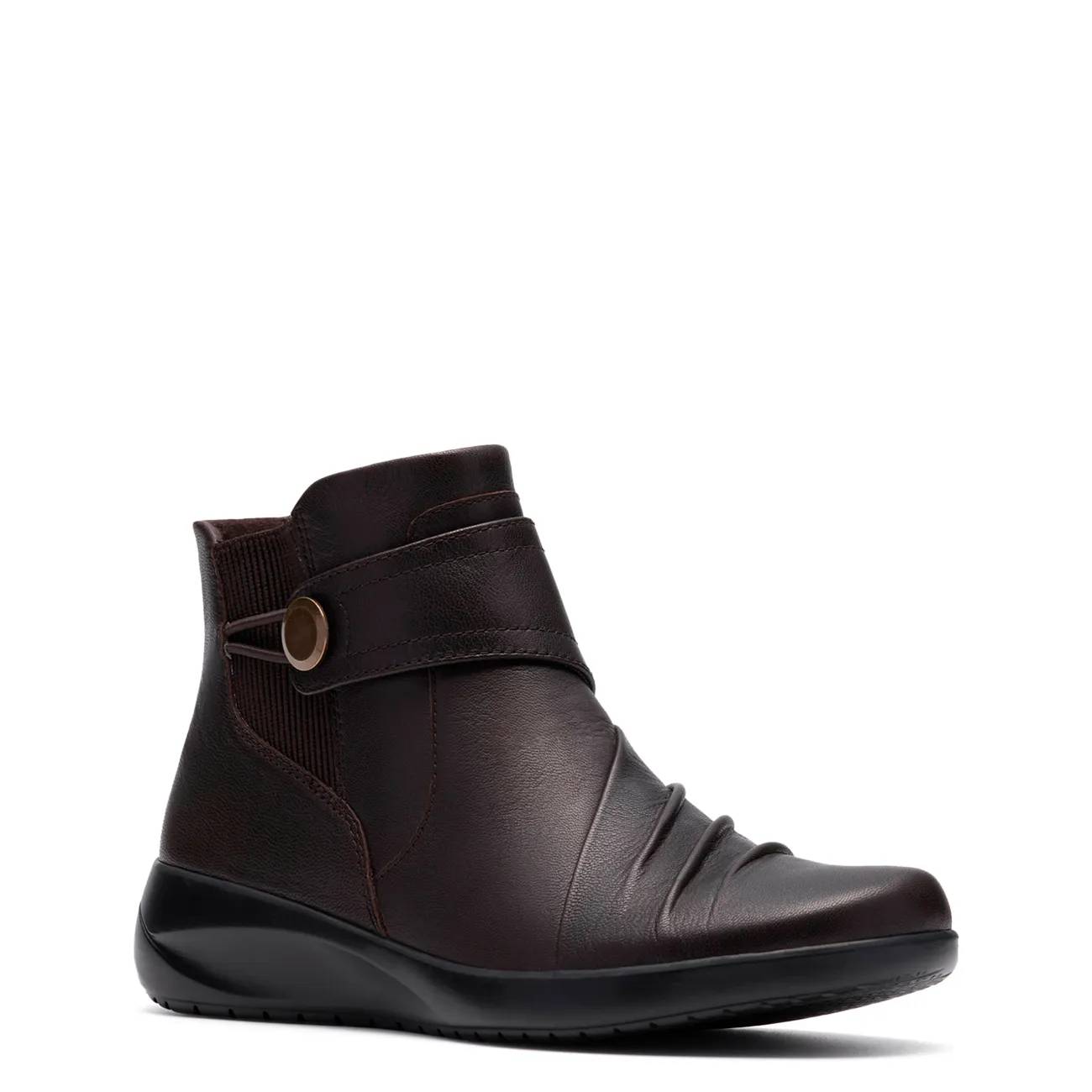
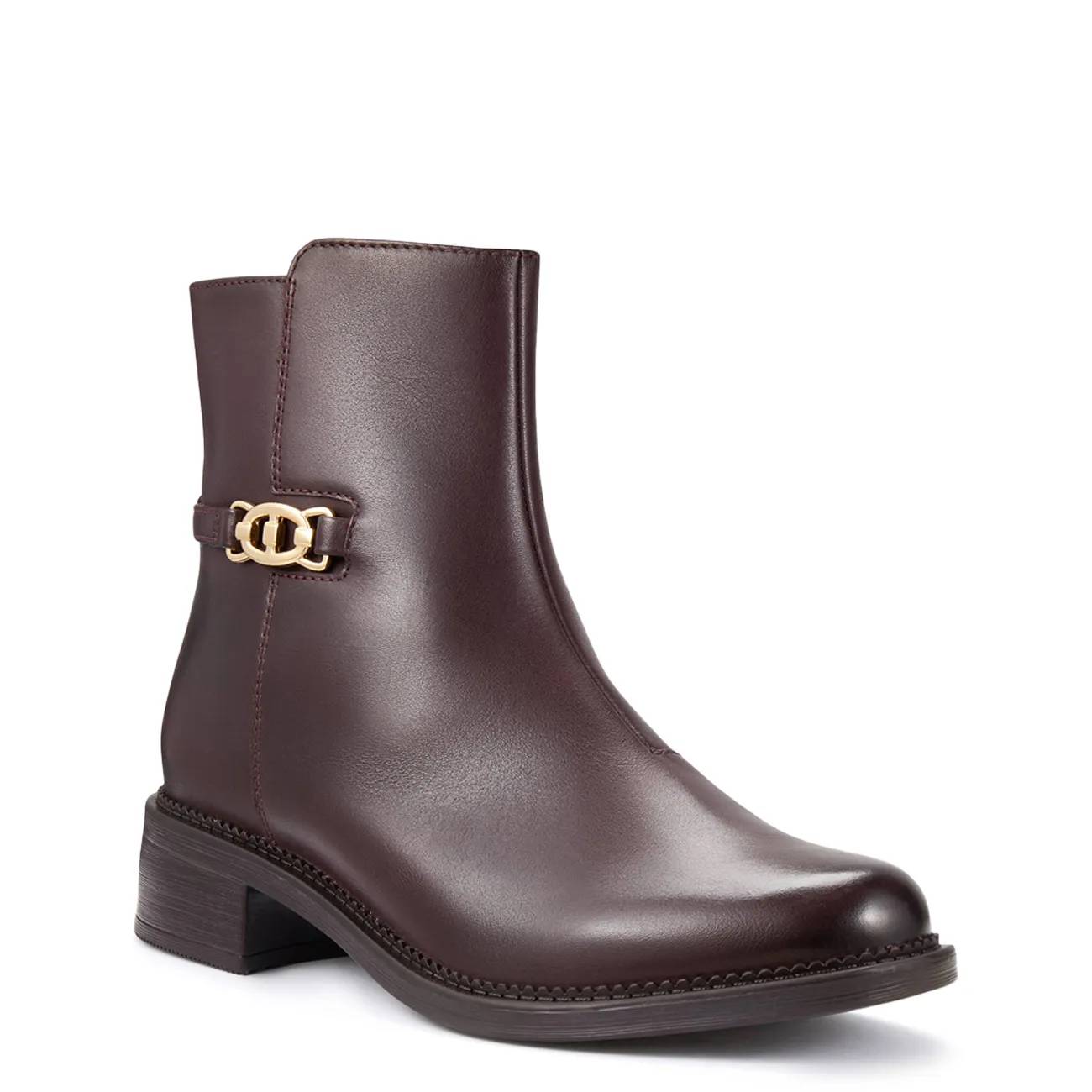
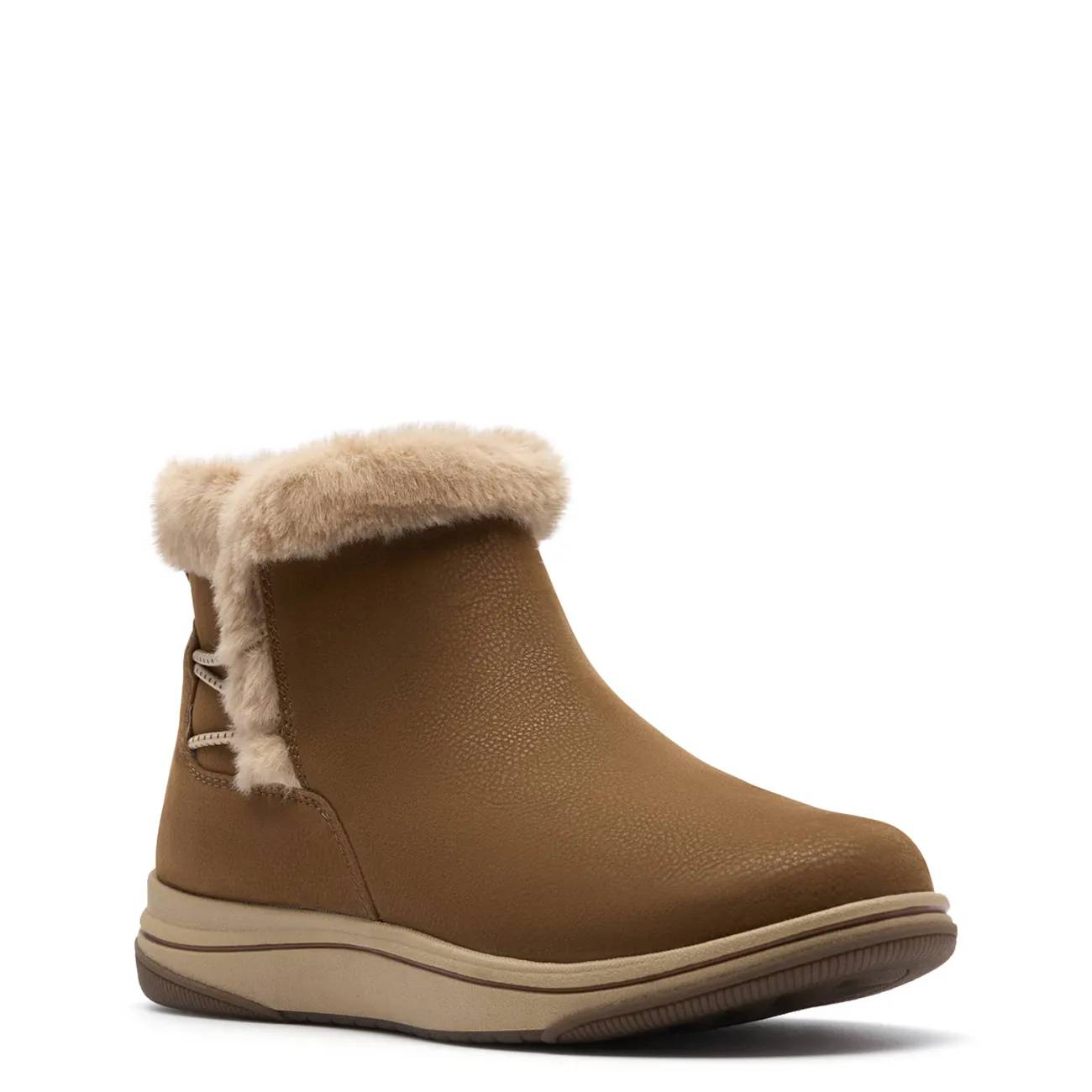
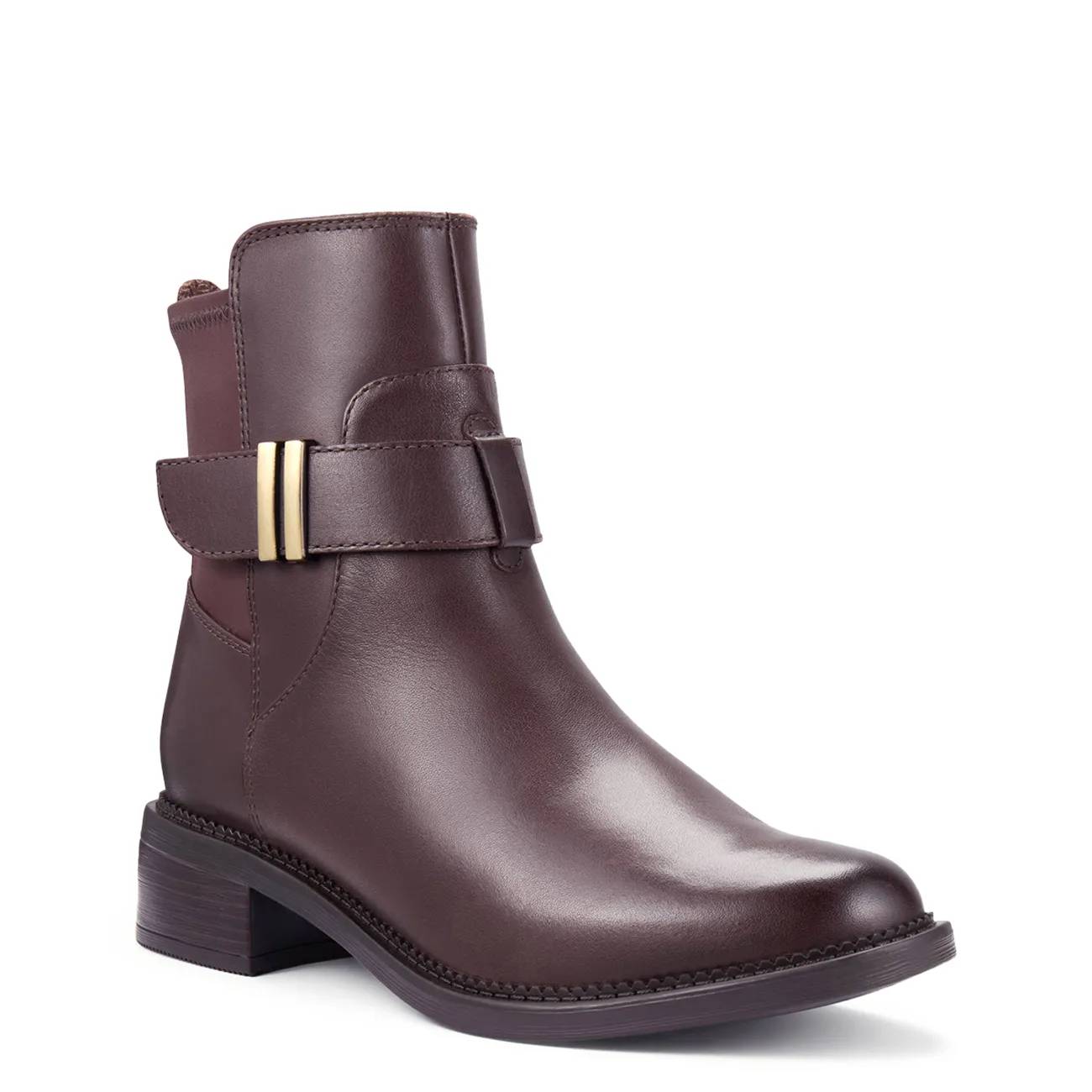
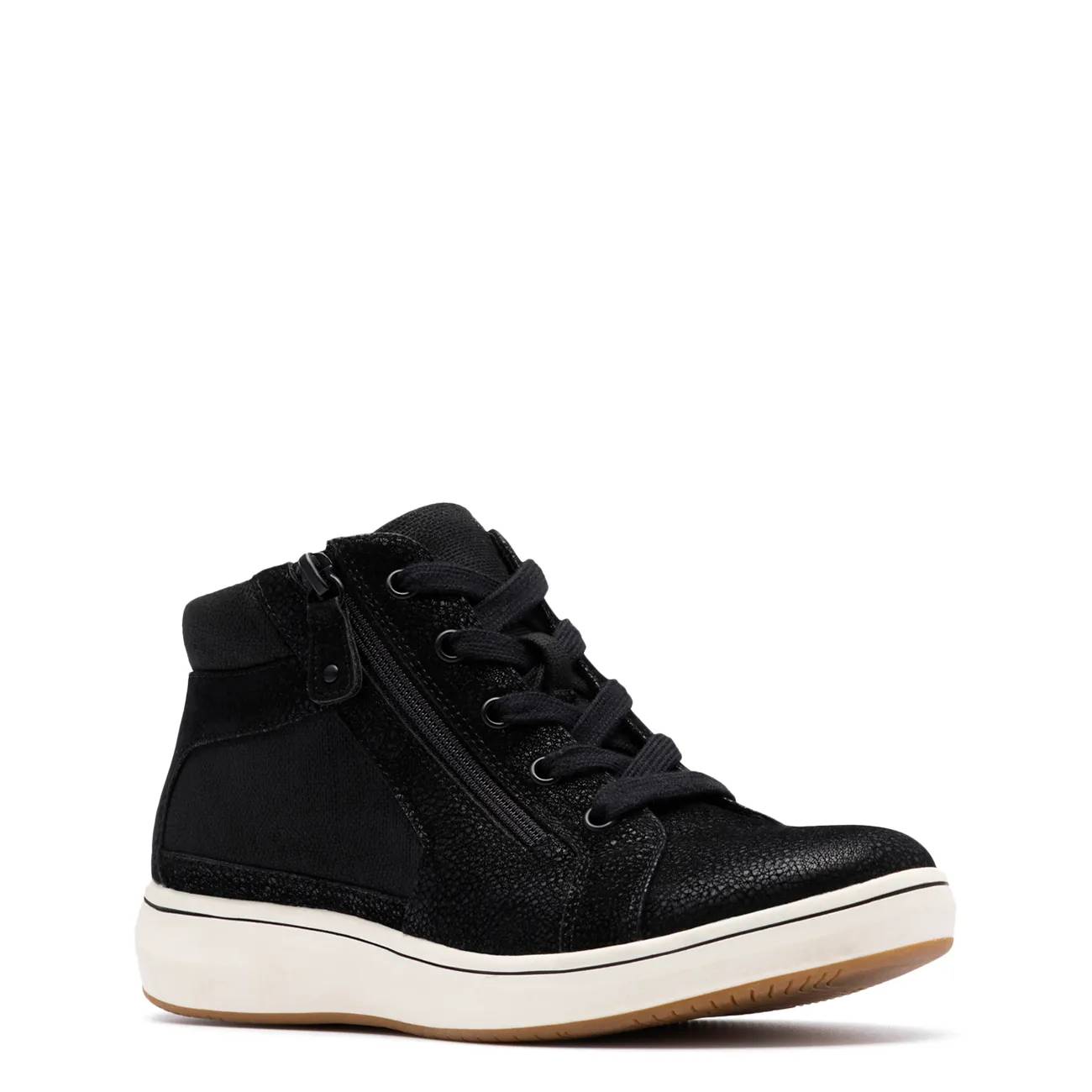
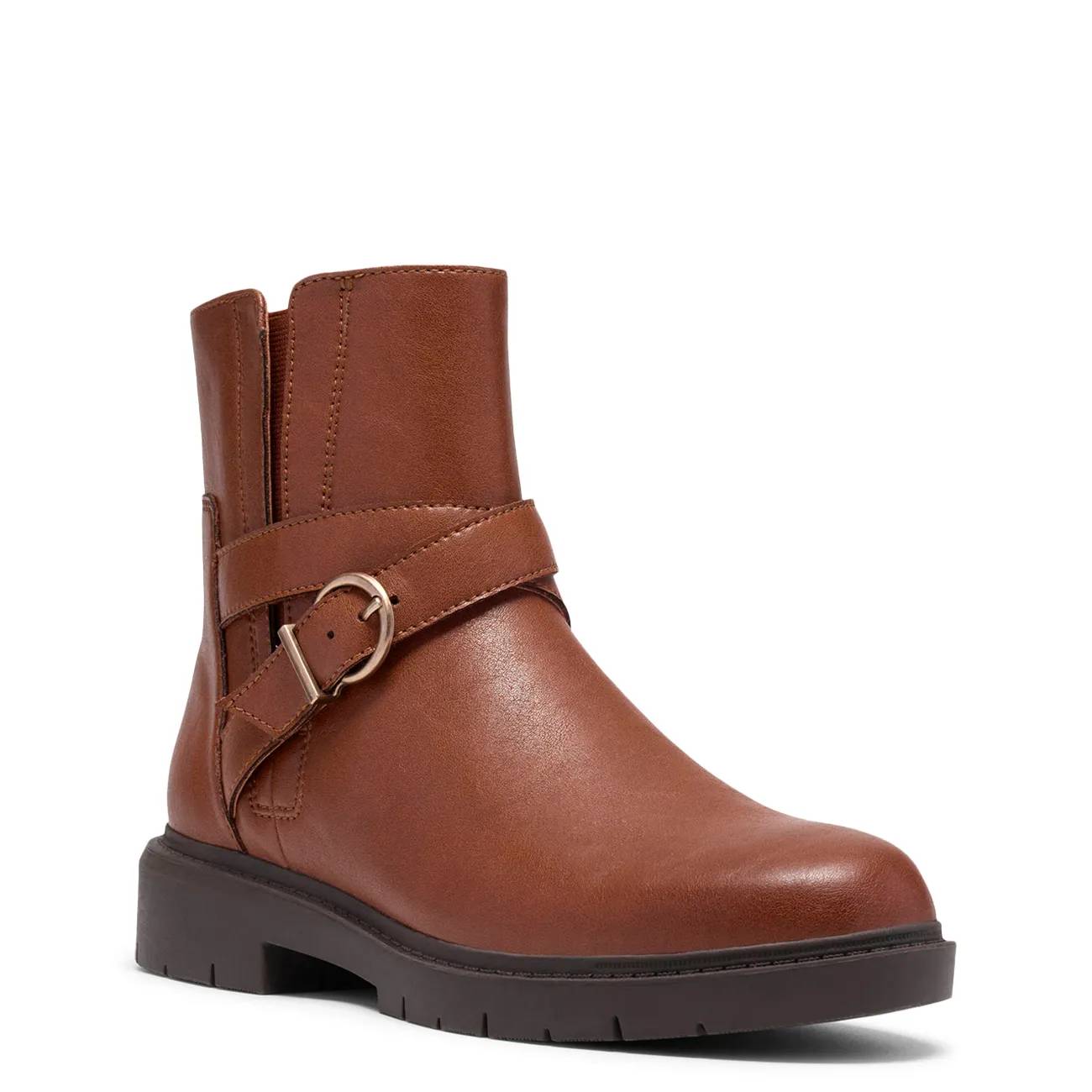
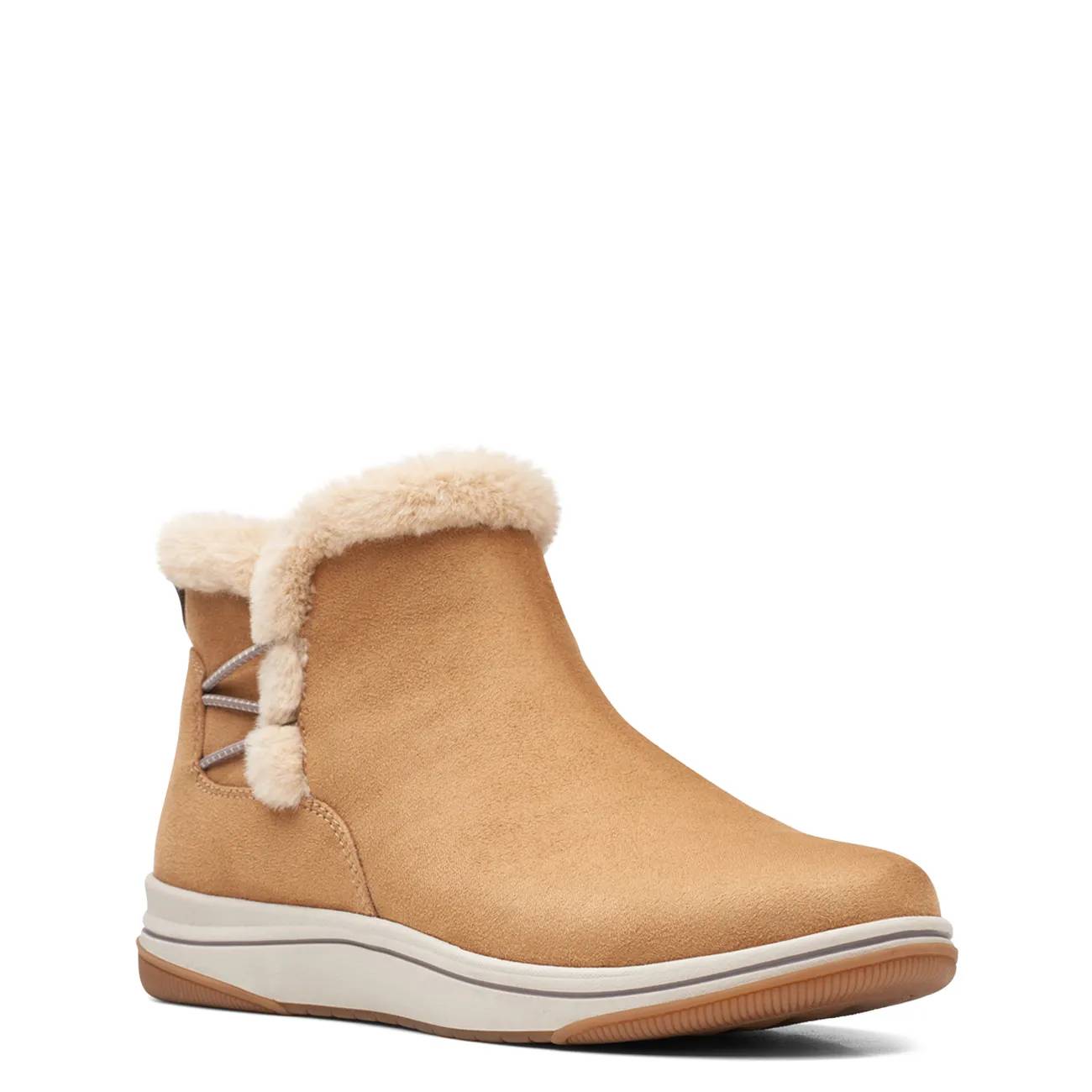
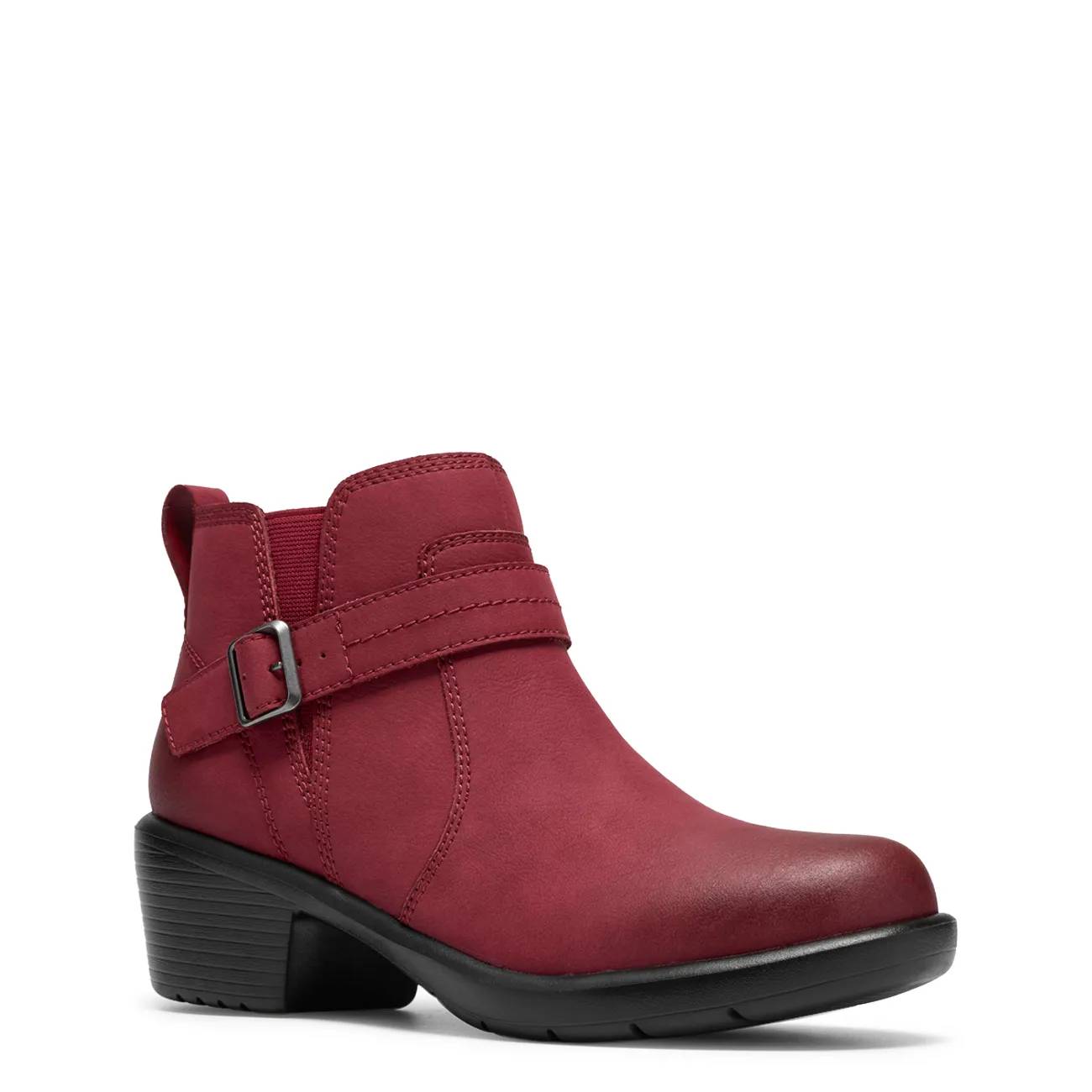
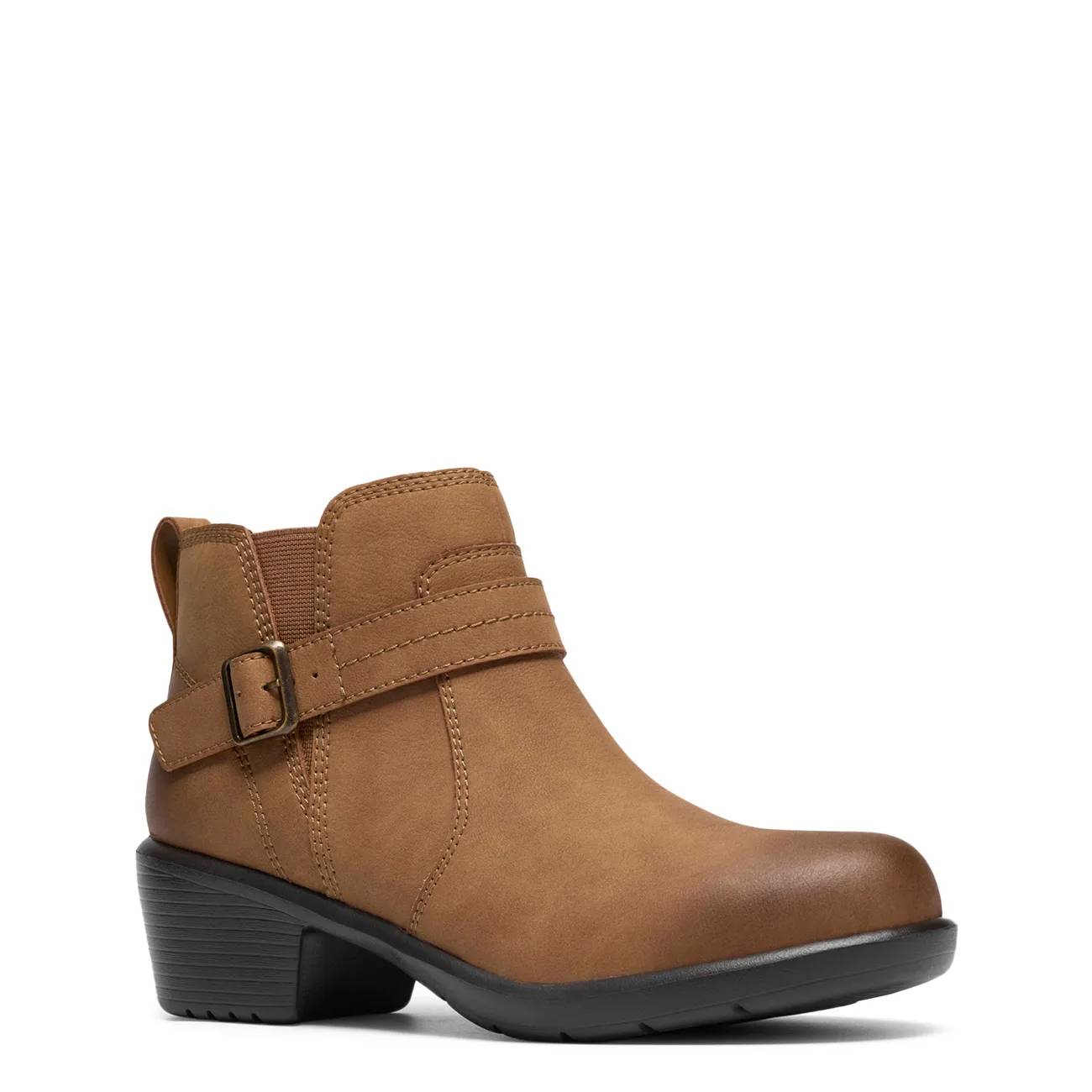
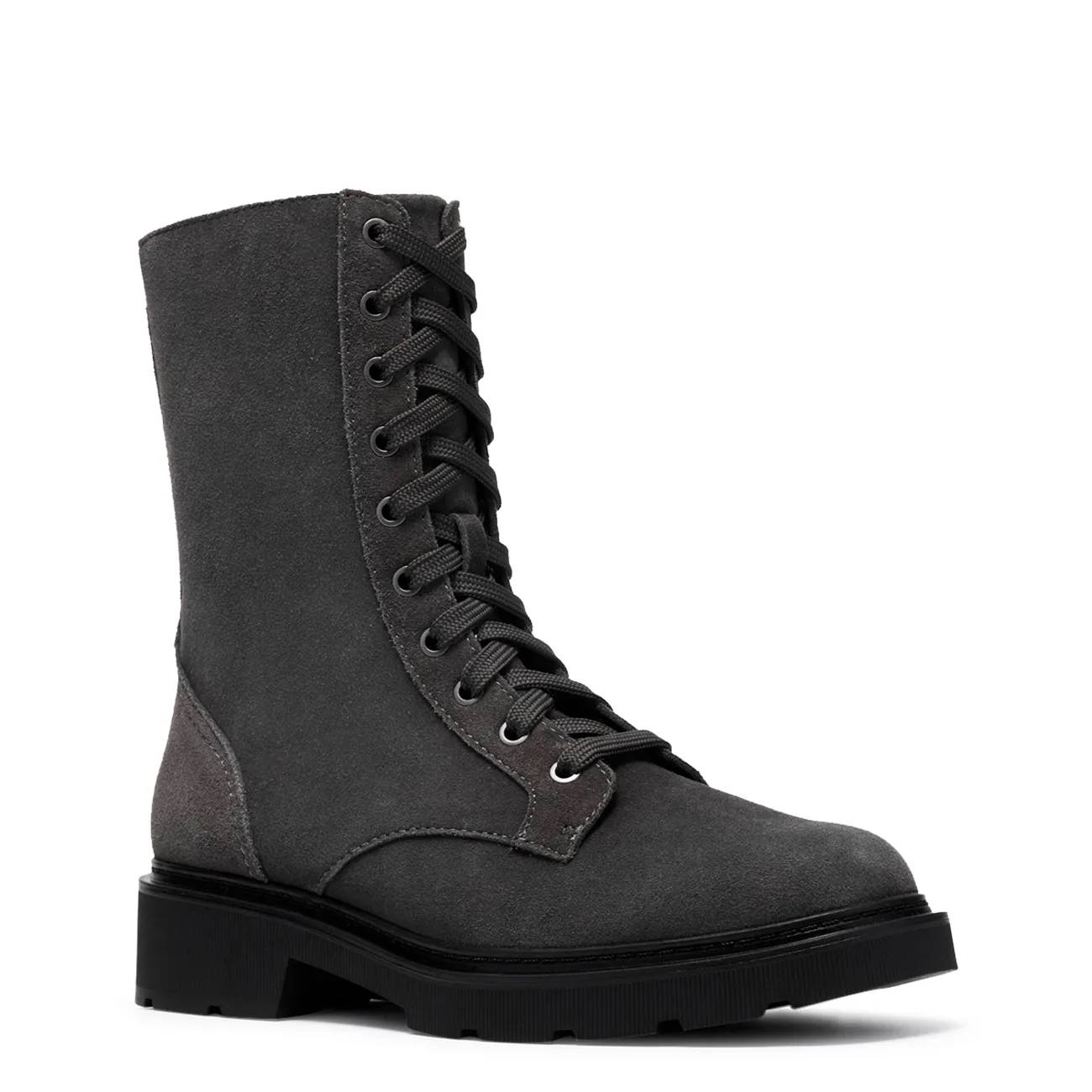
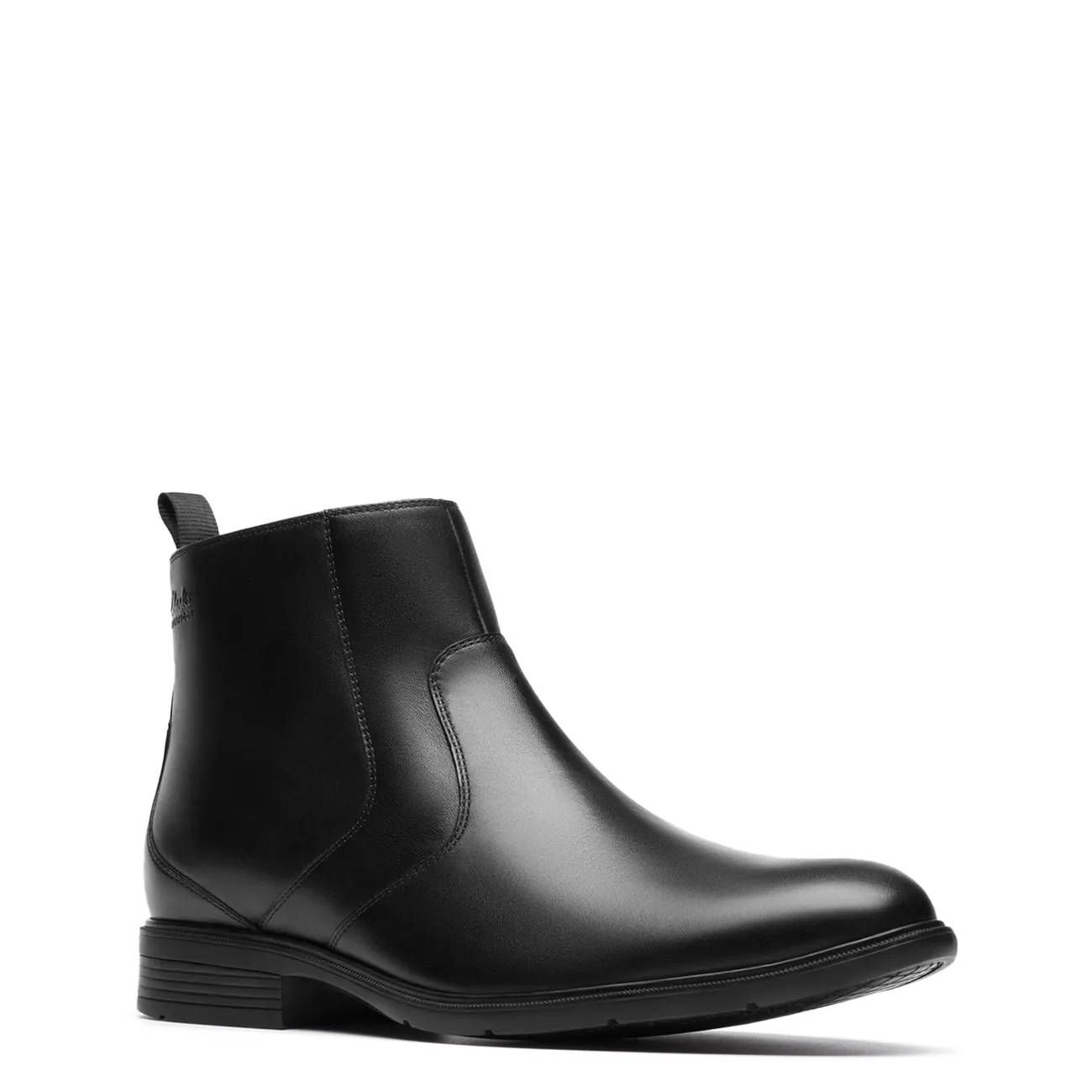
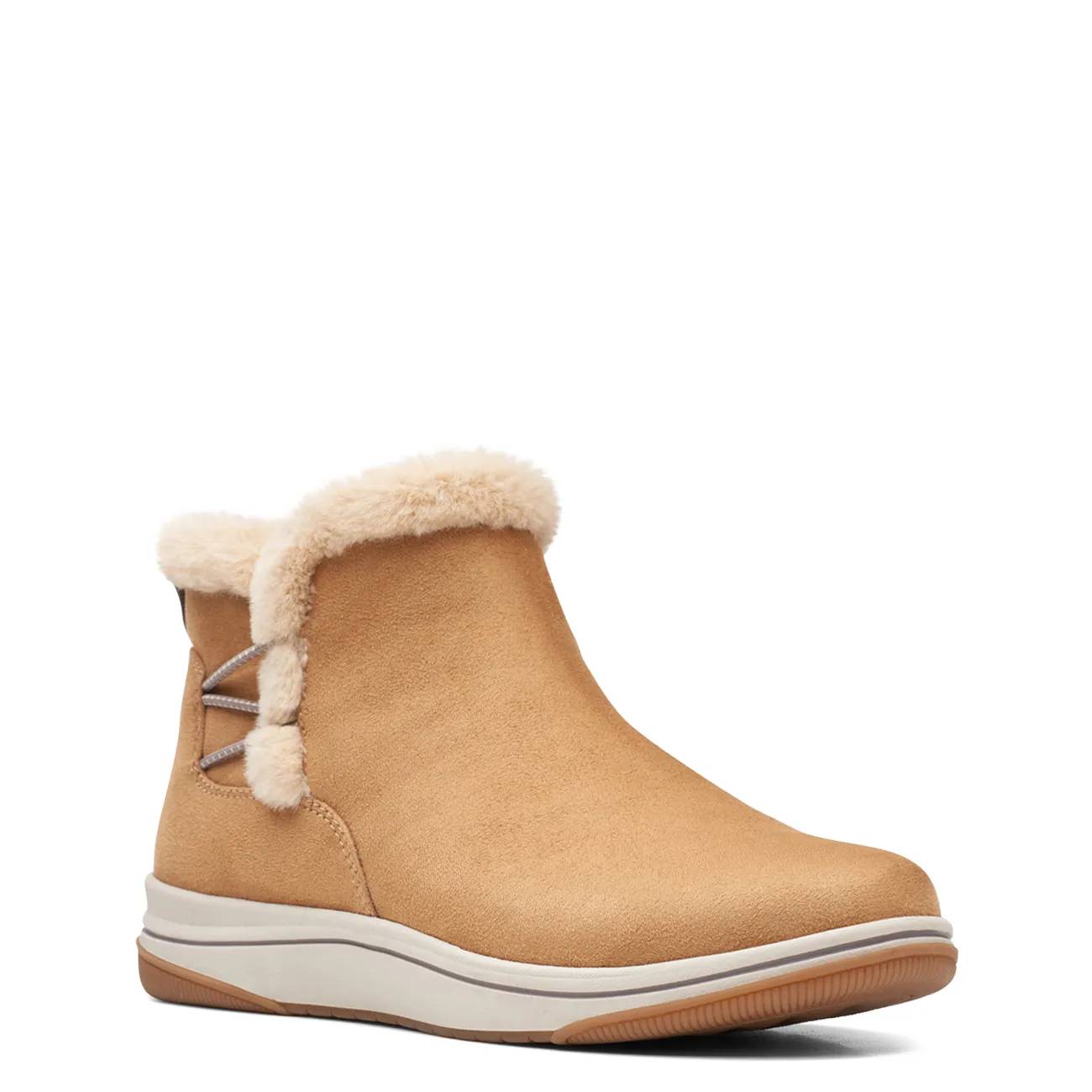
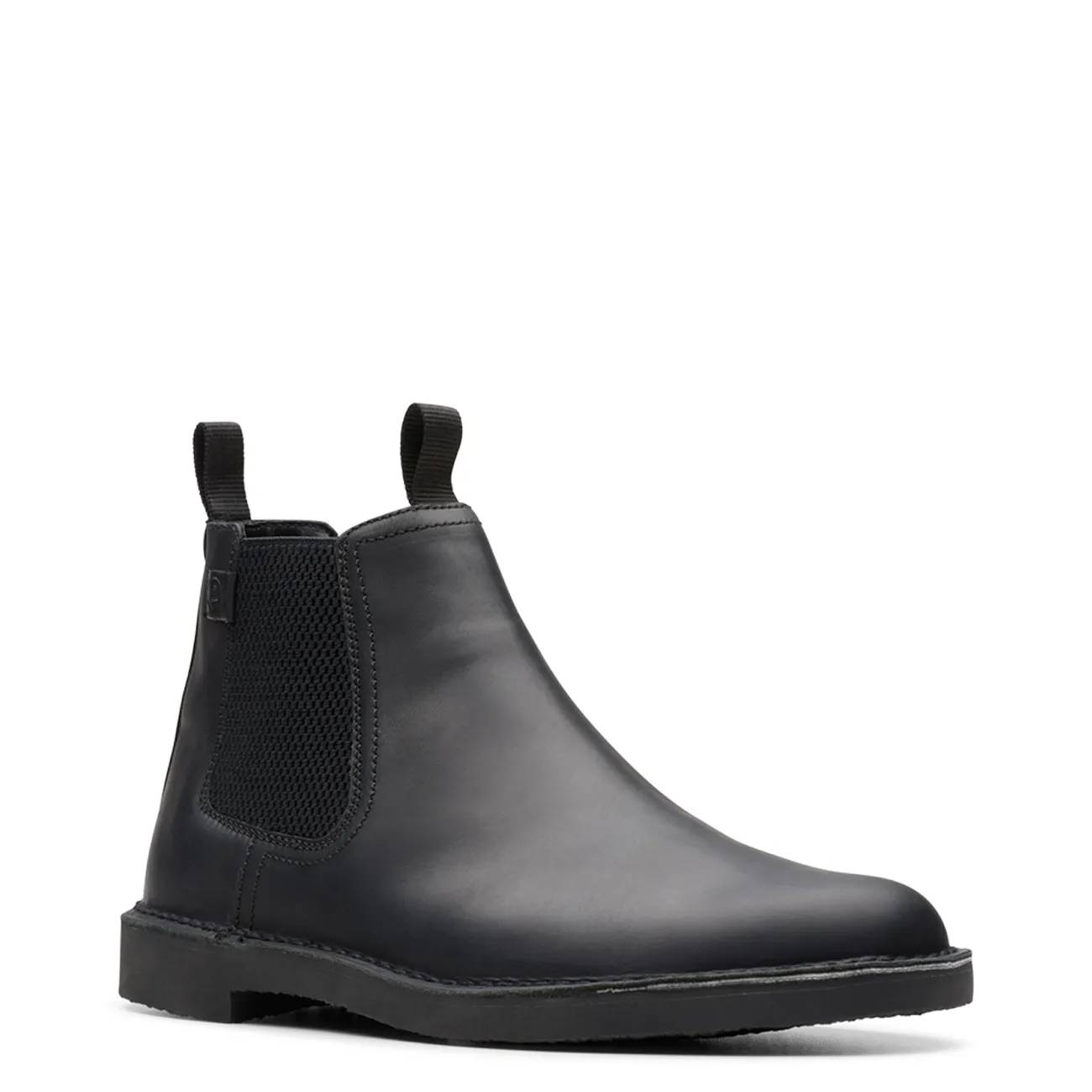
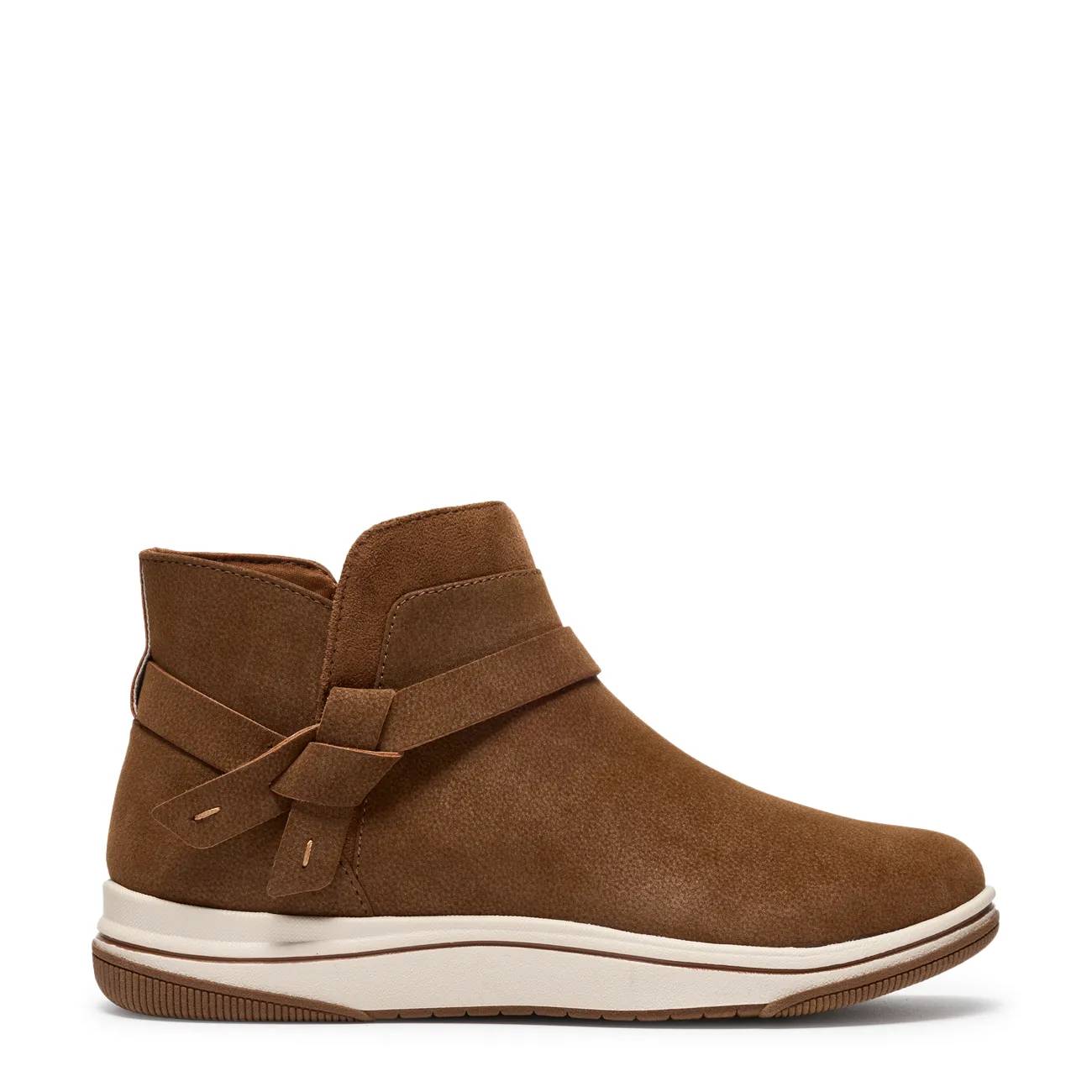
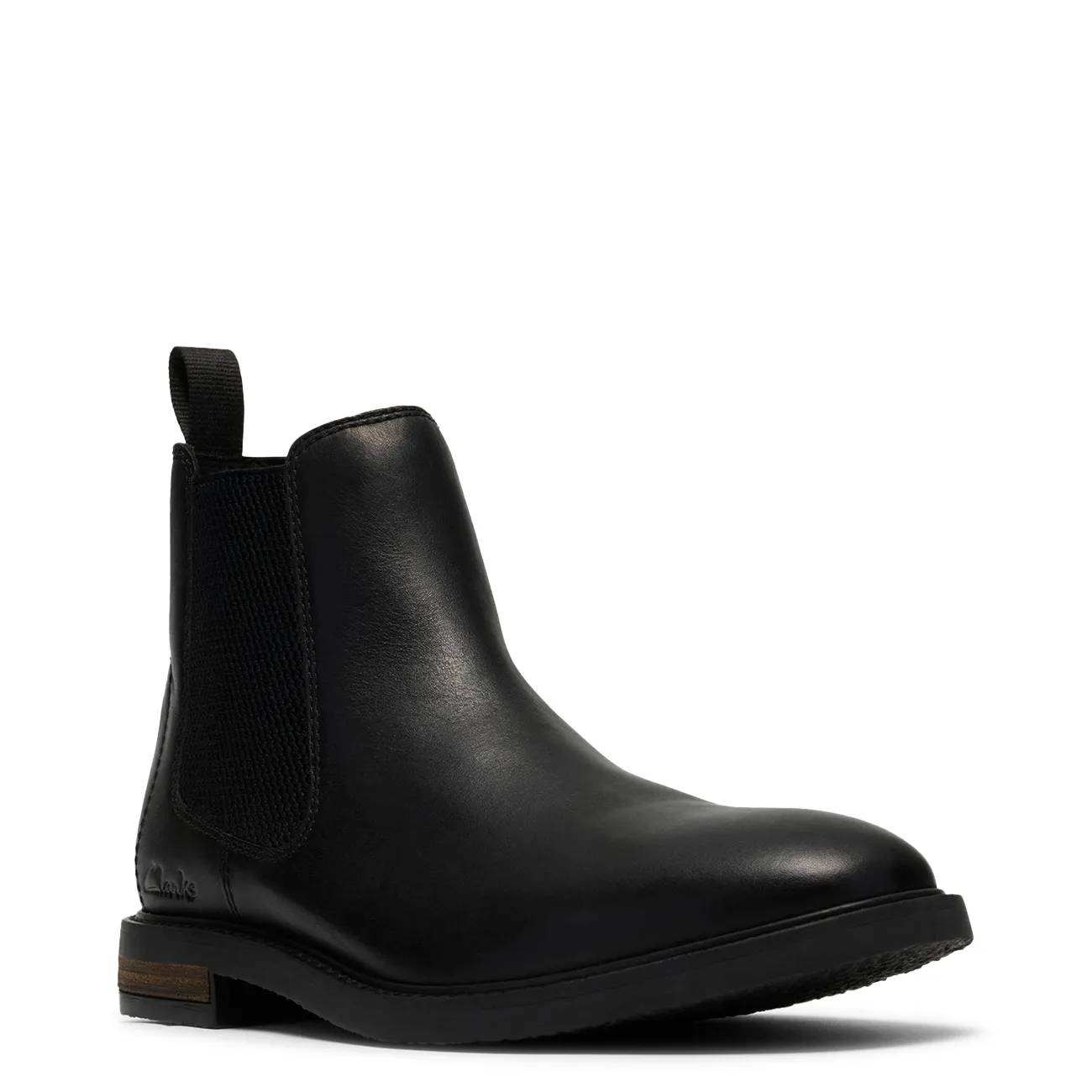
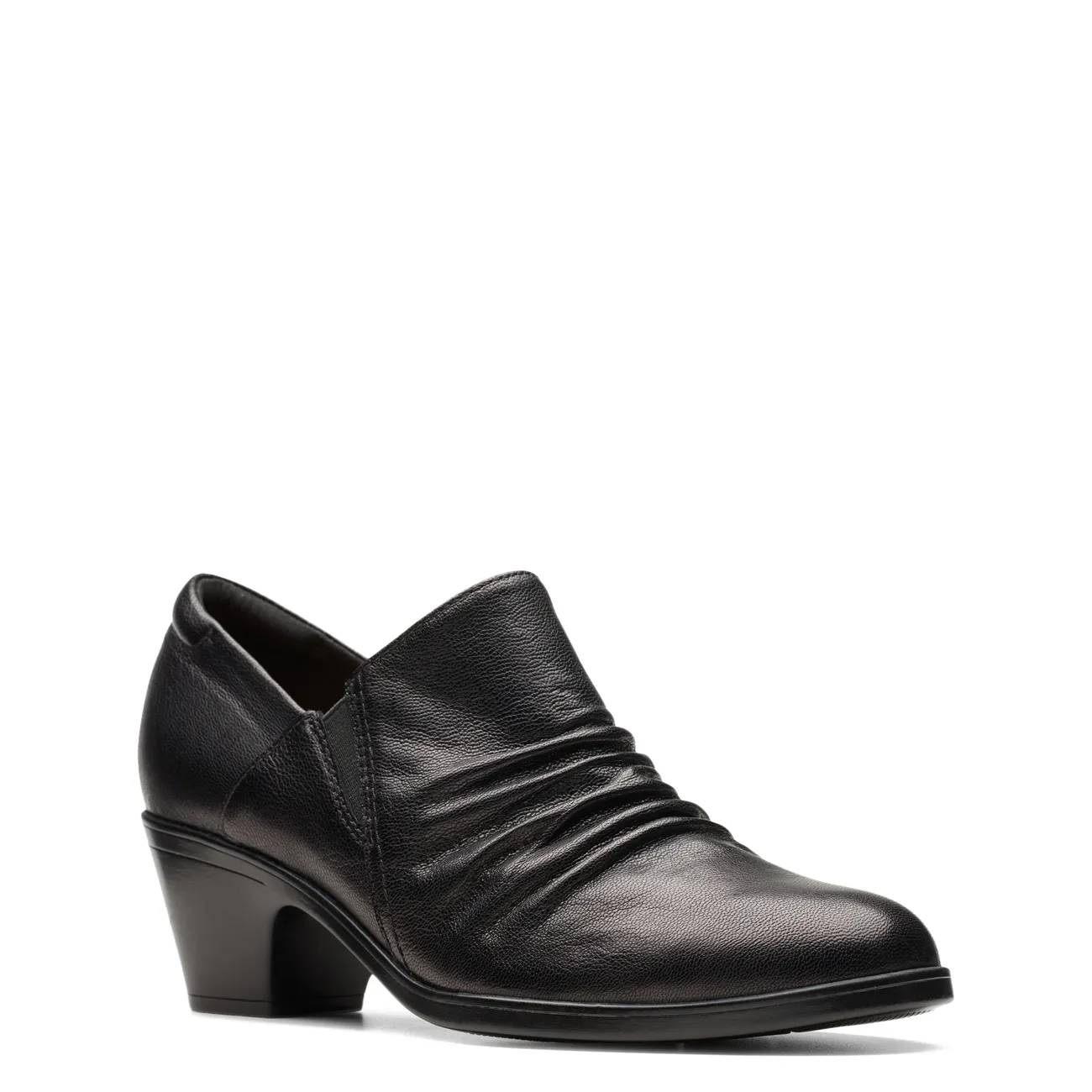
Clarks Boots: Comfort Technology Built to Handle Real Weather
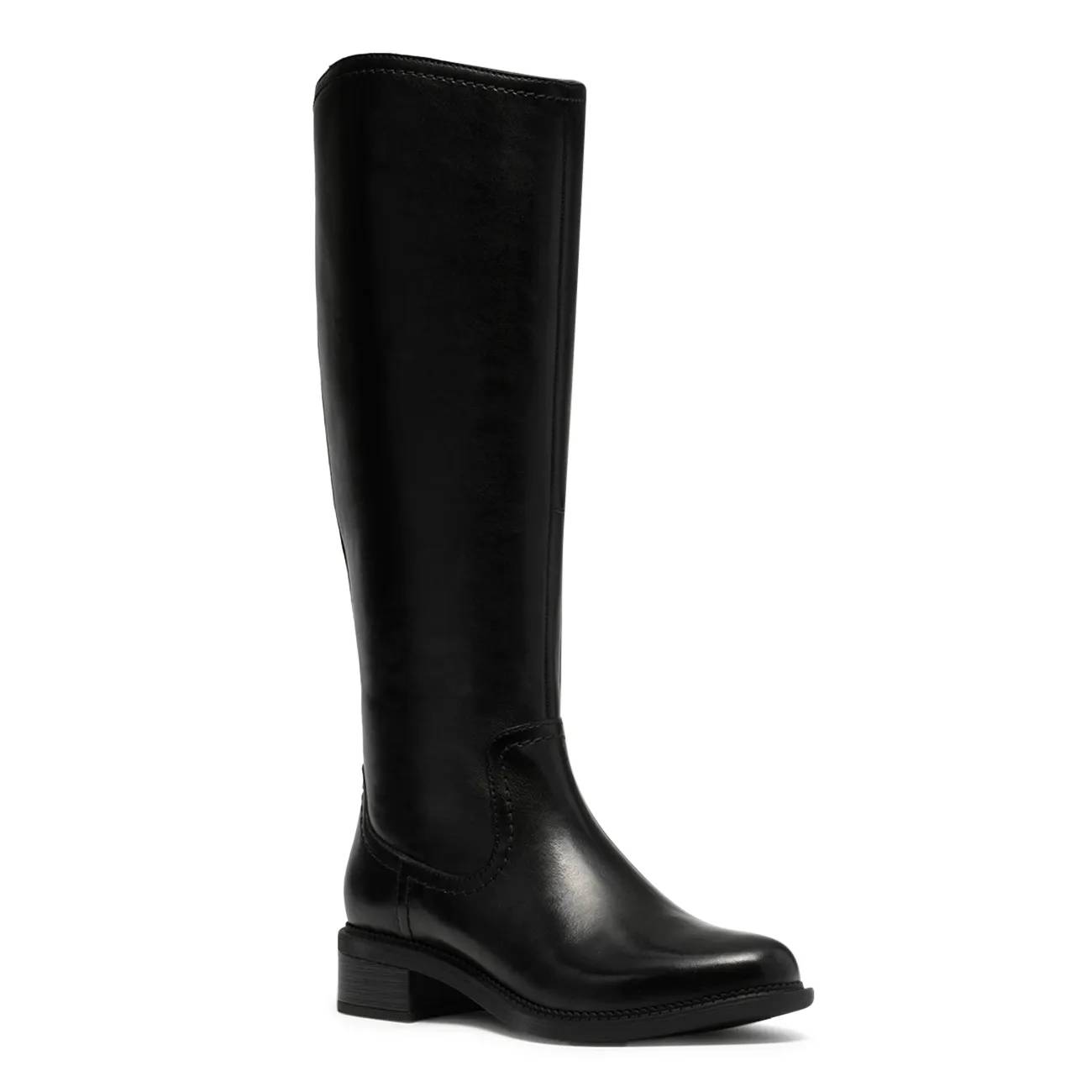
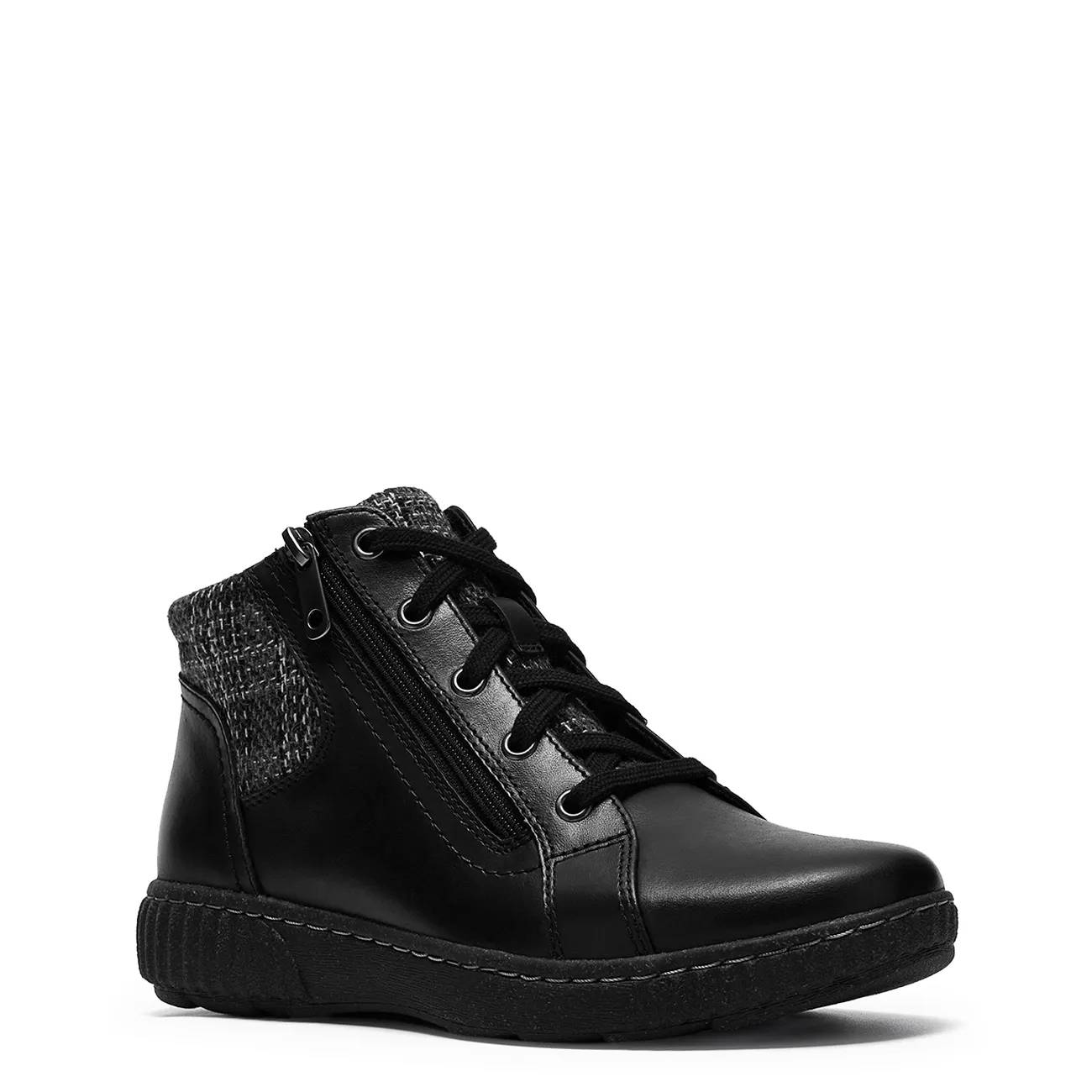
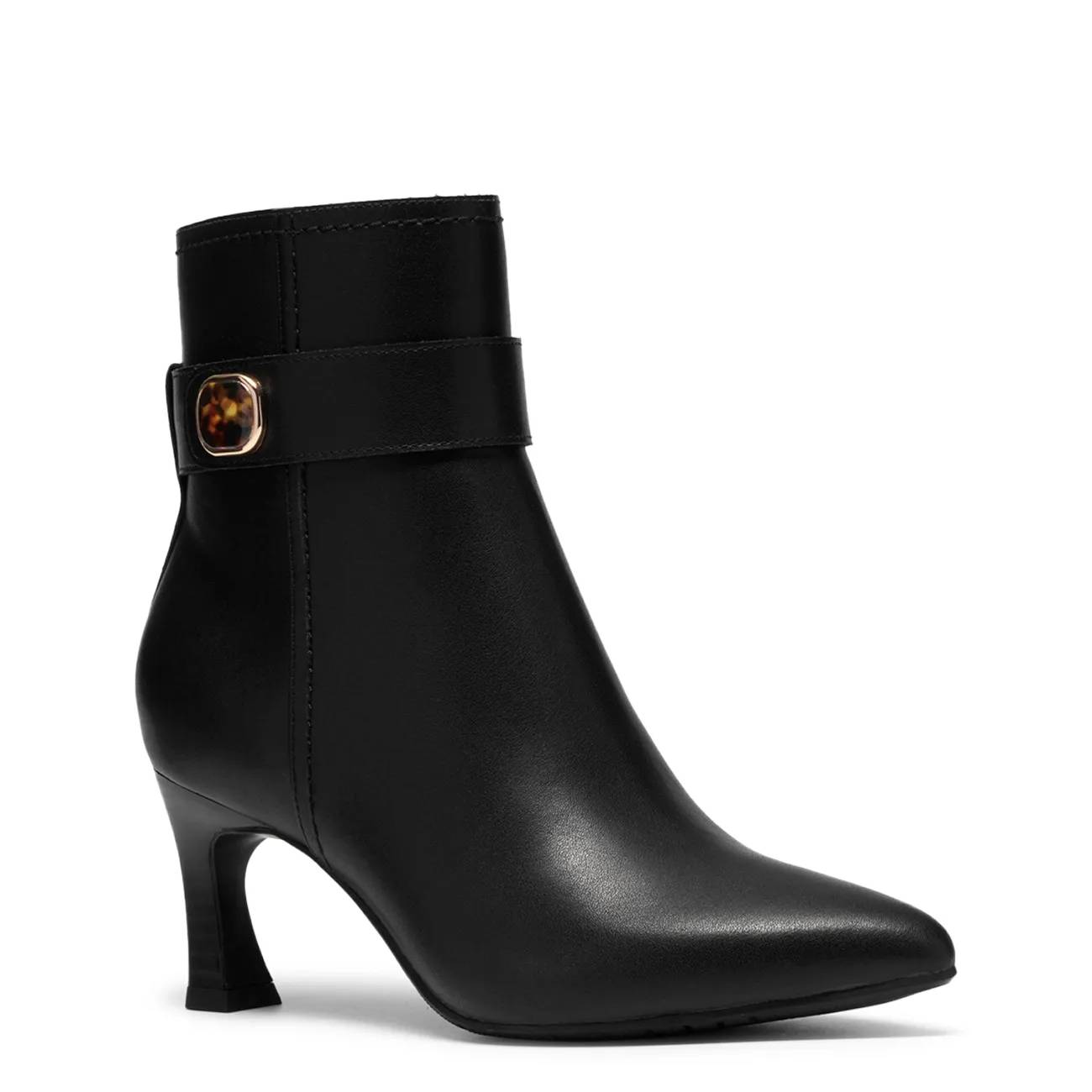
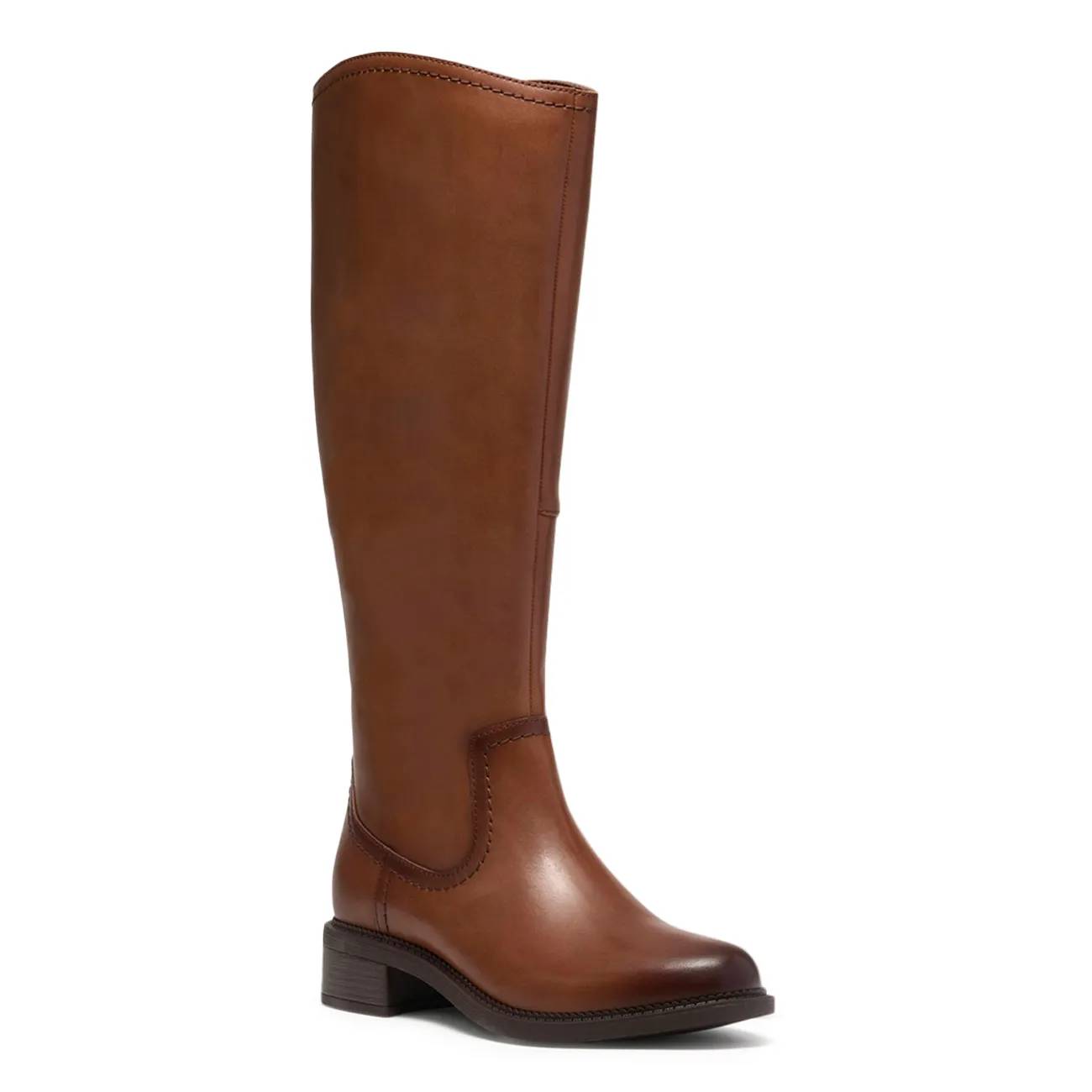
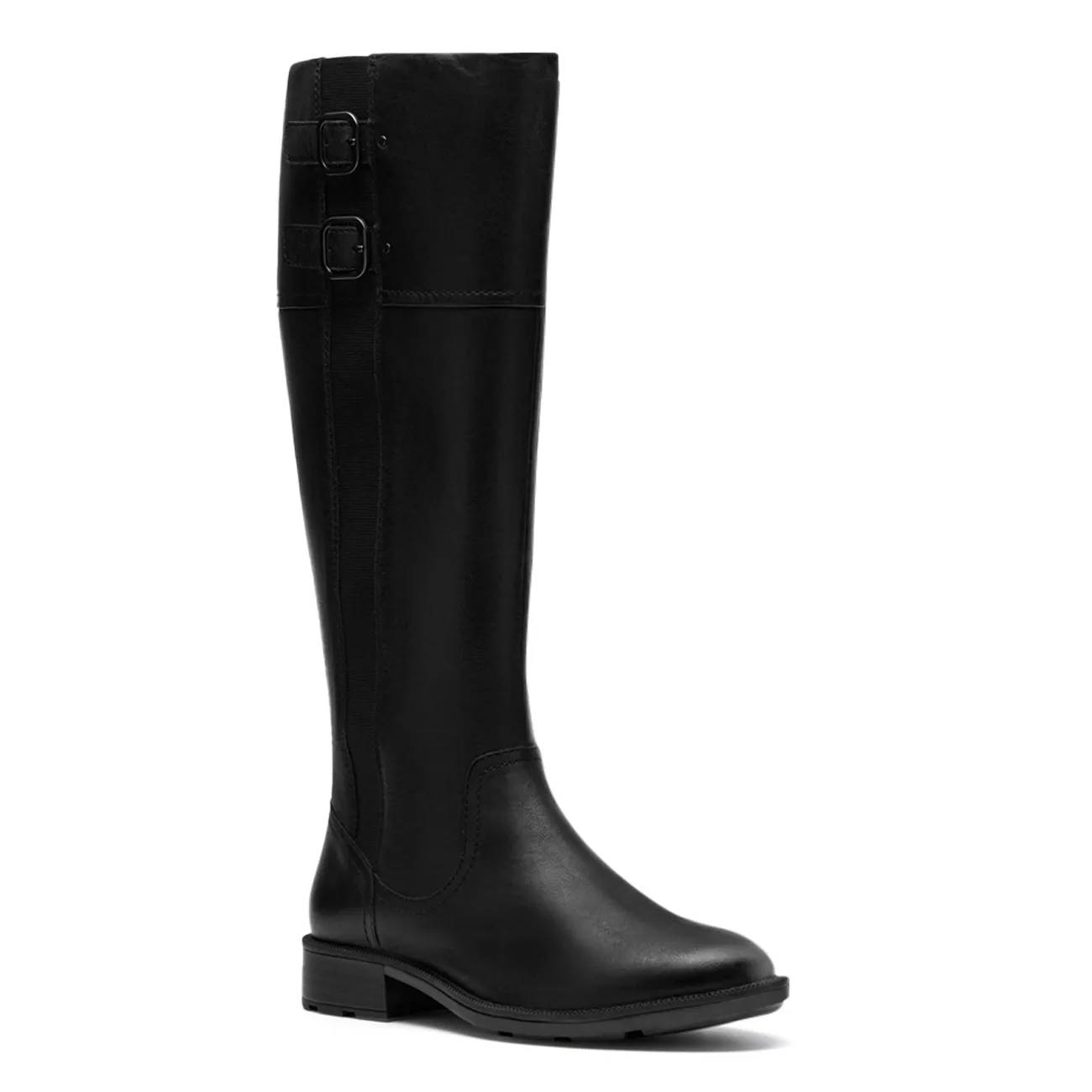
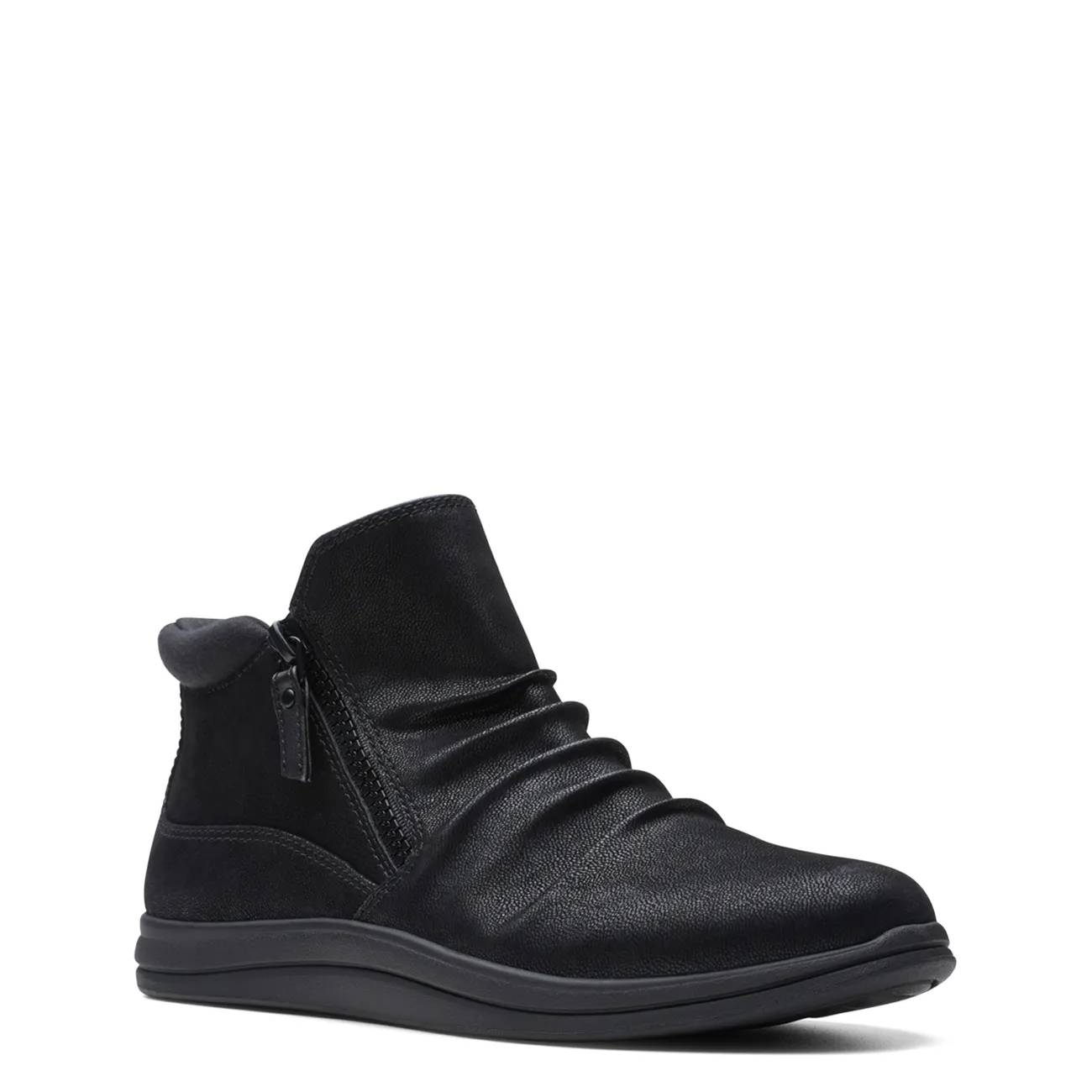
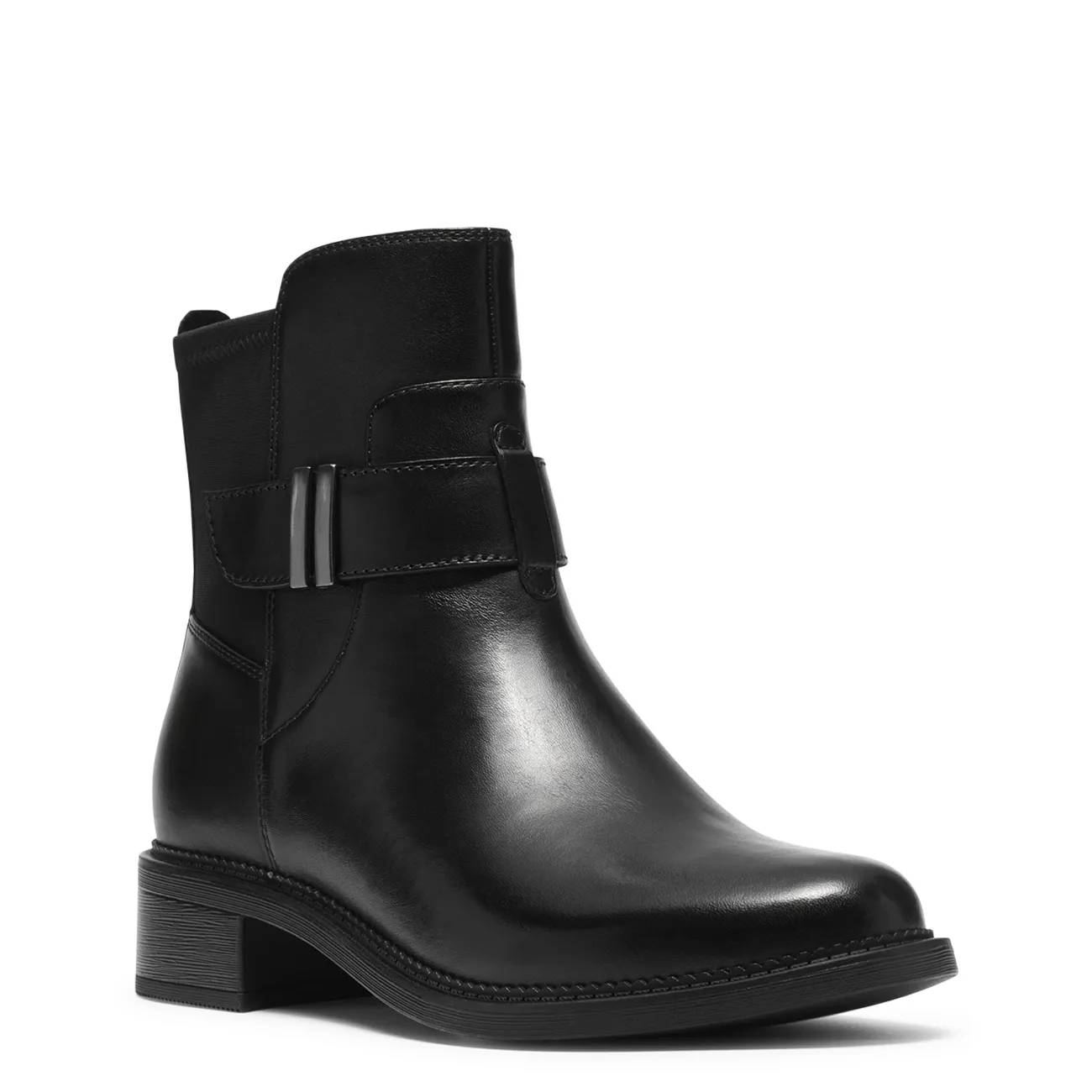
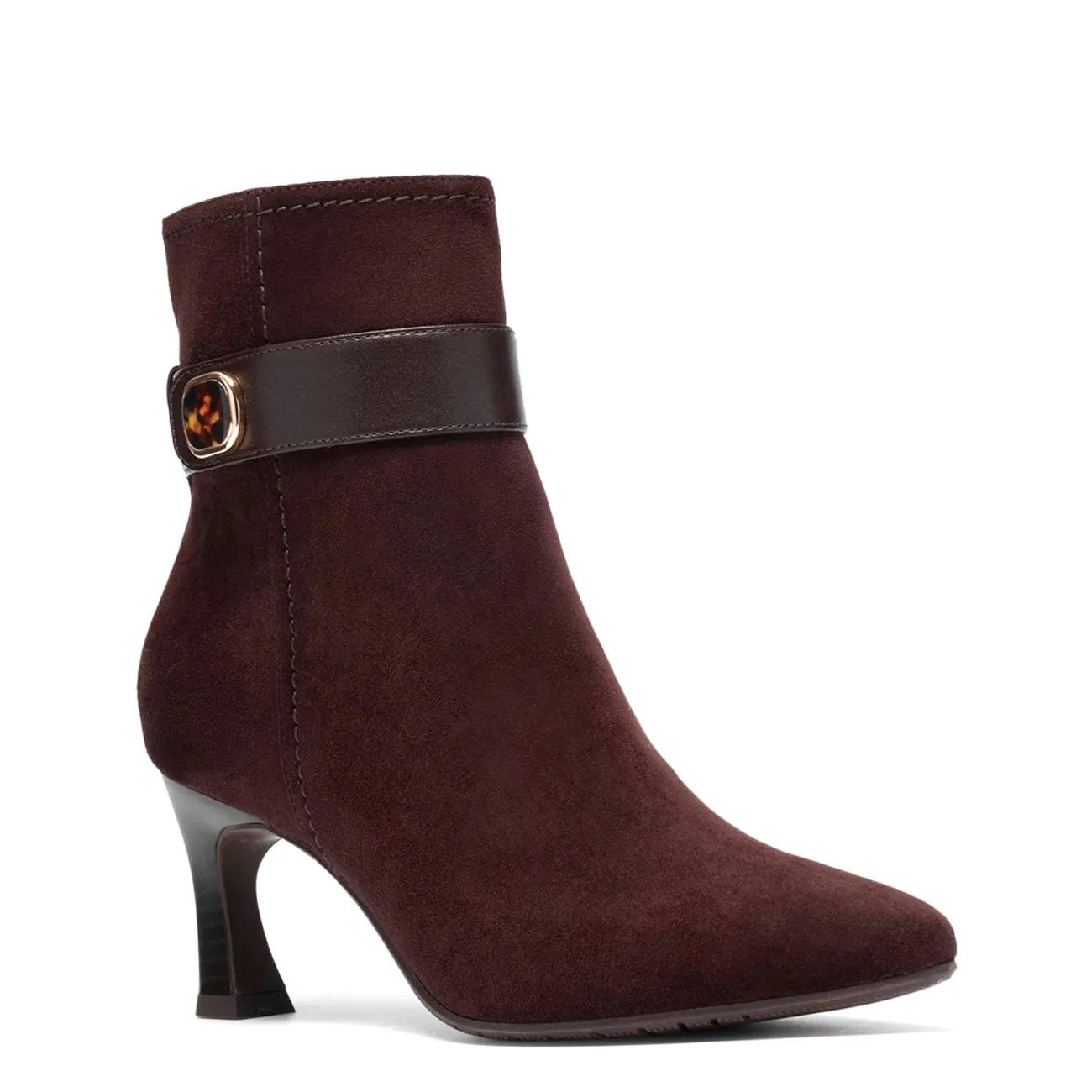
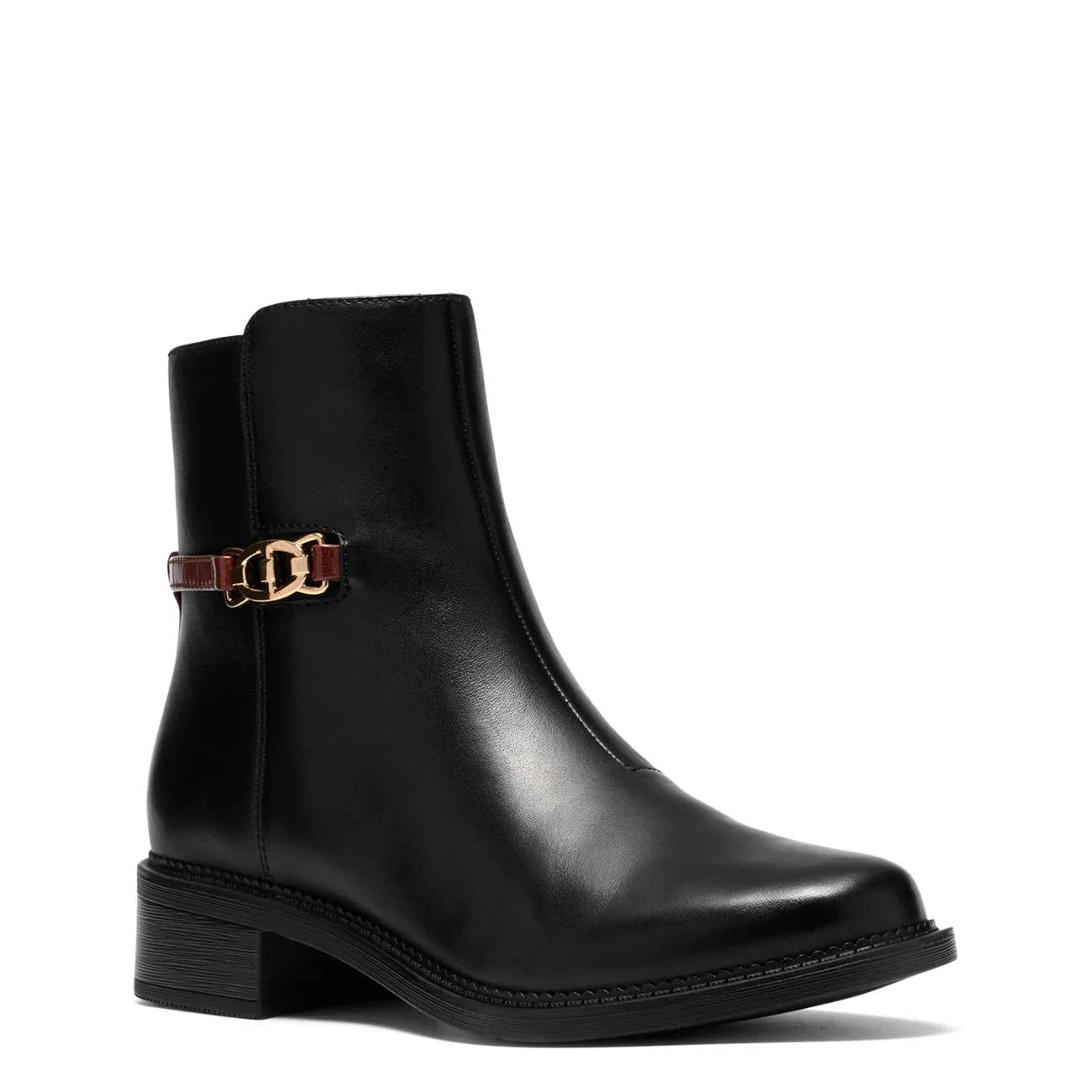
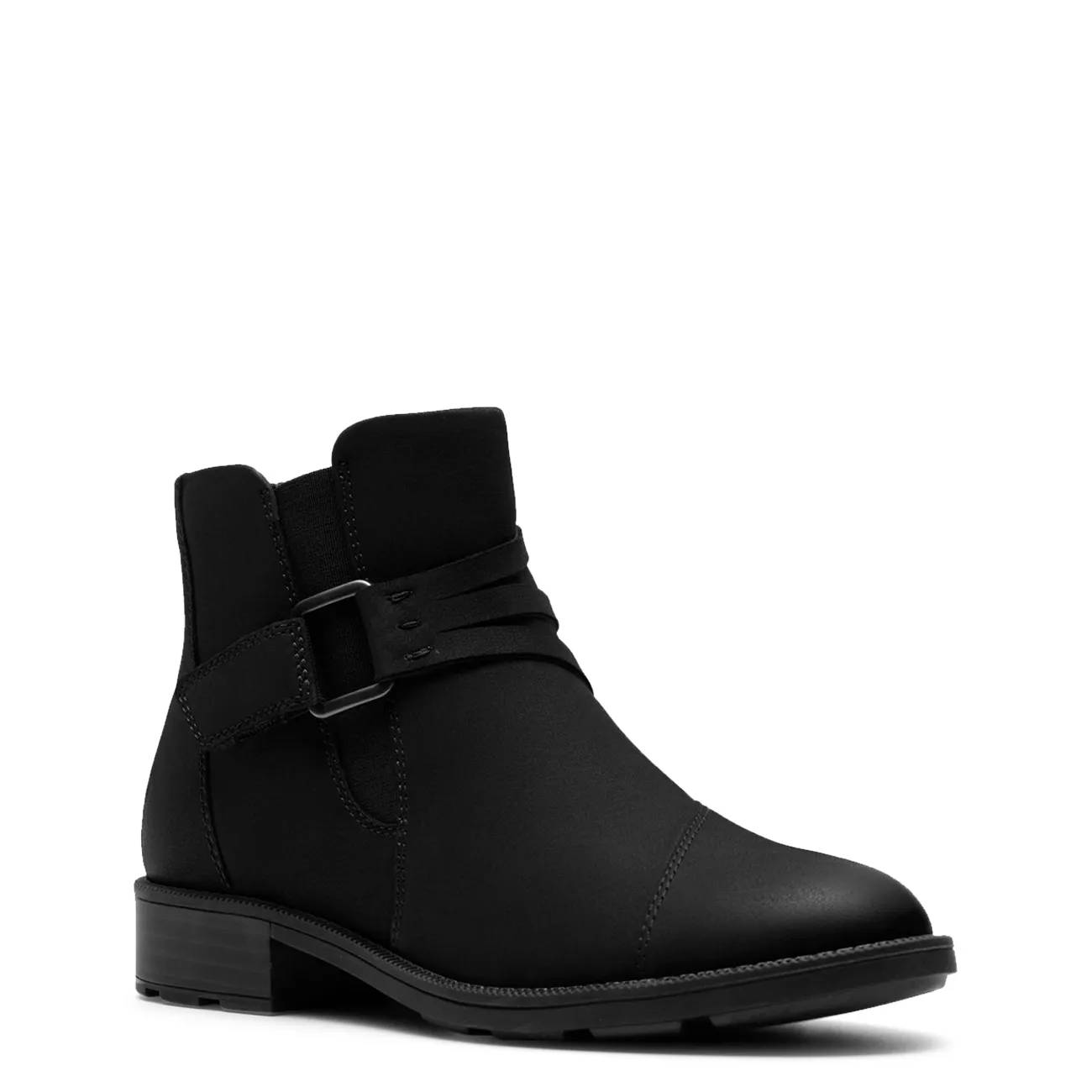
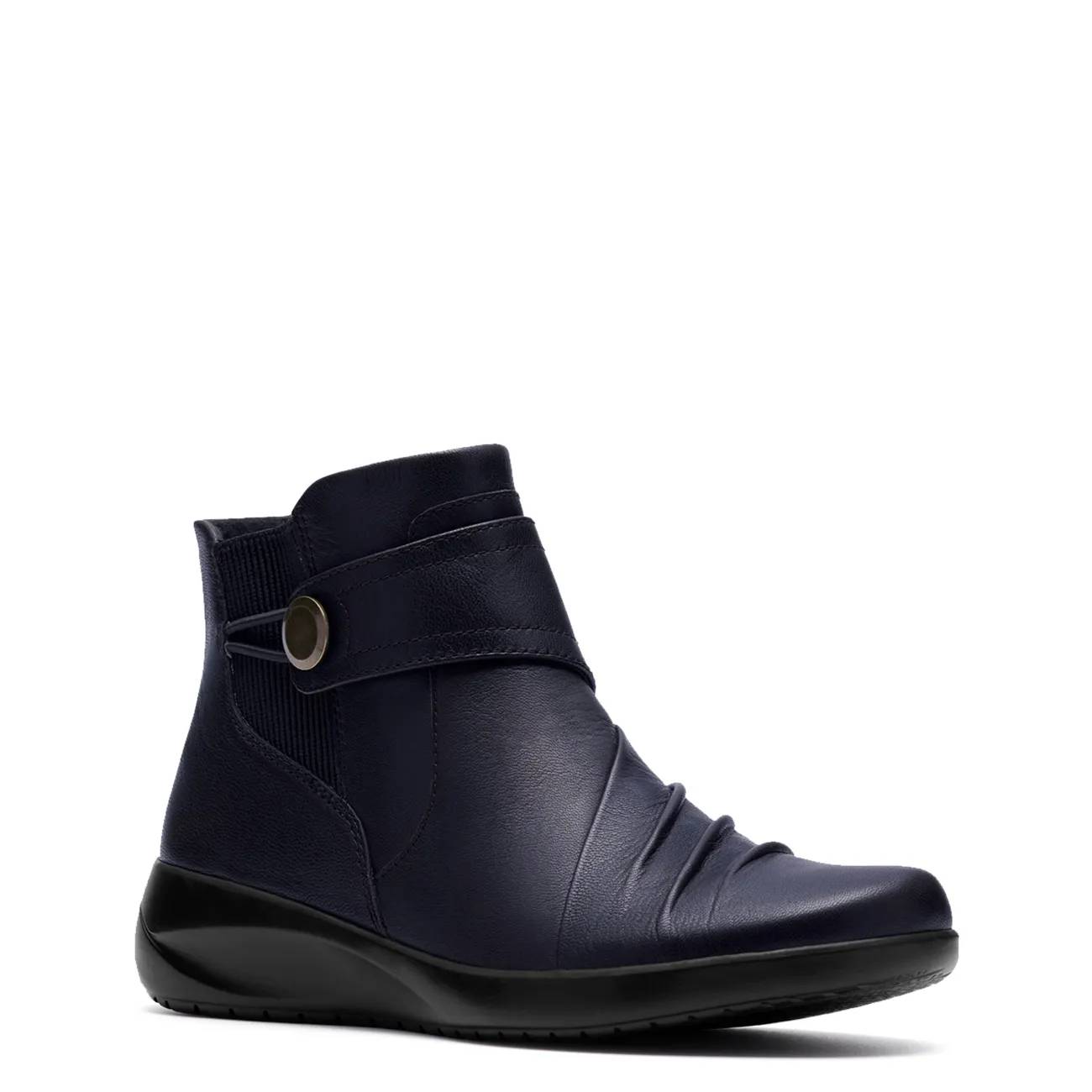
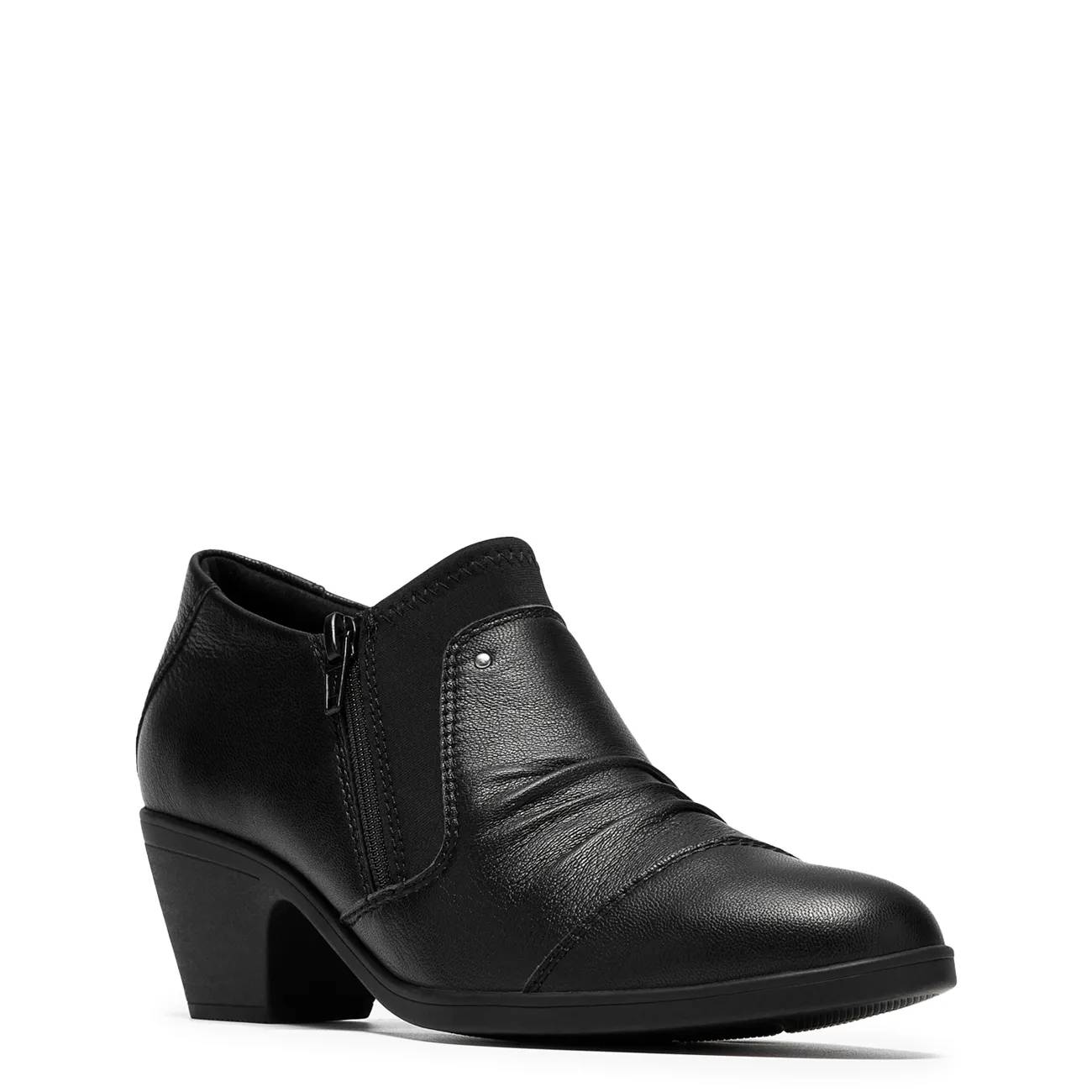
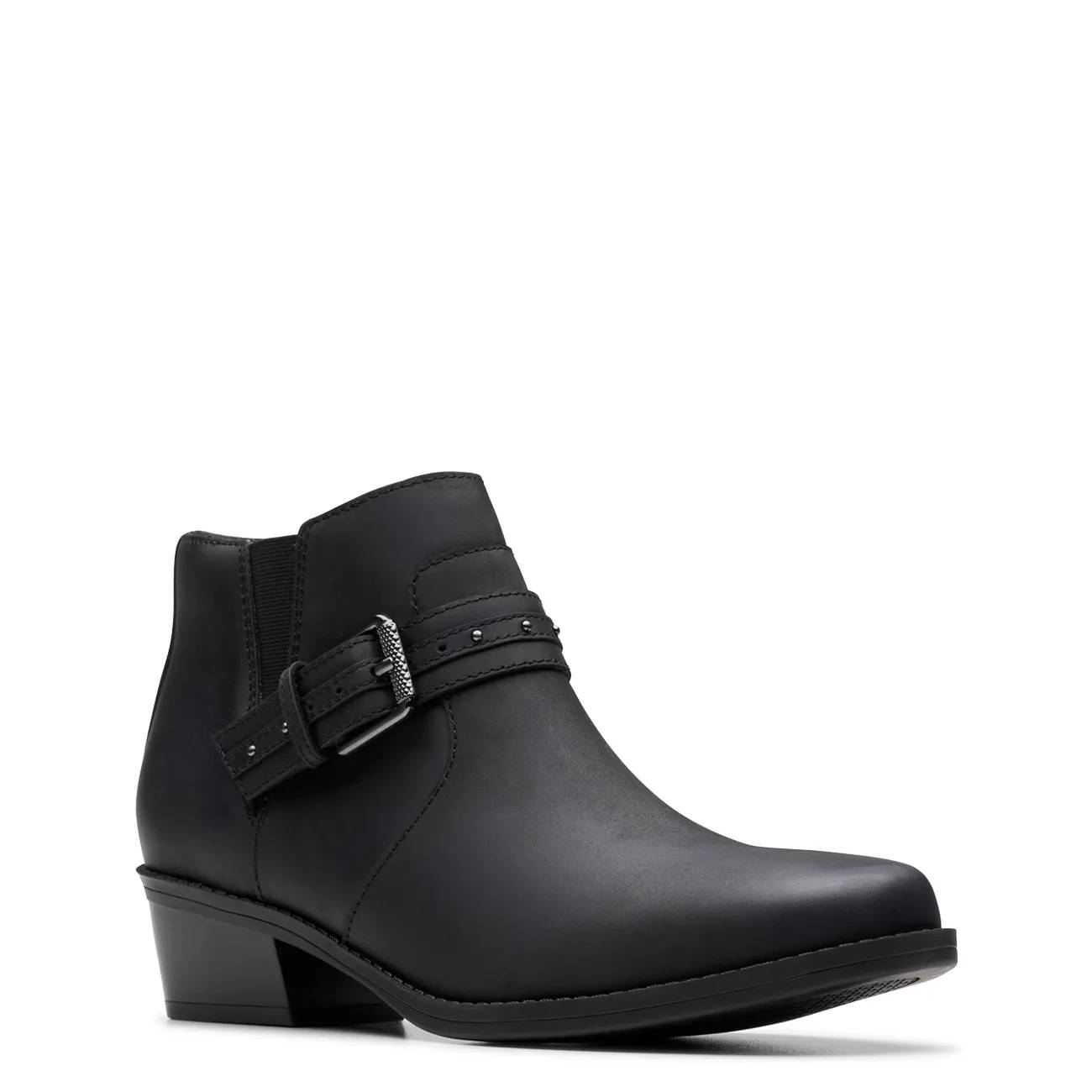
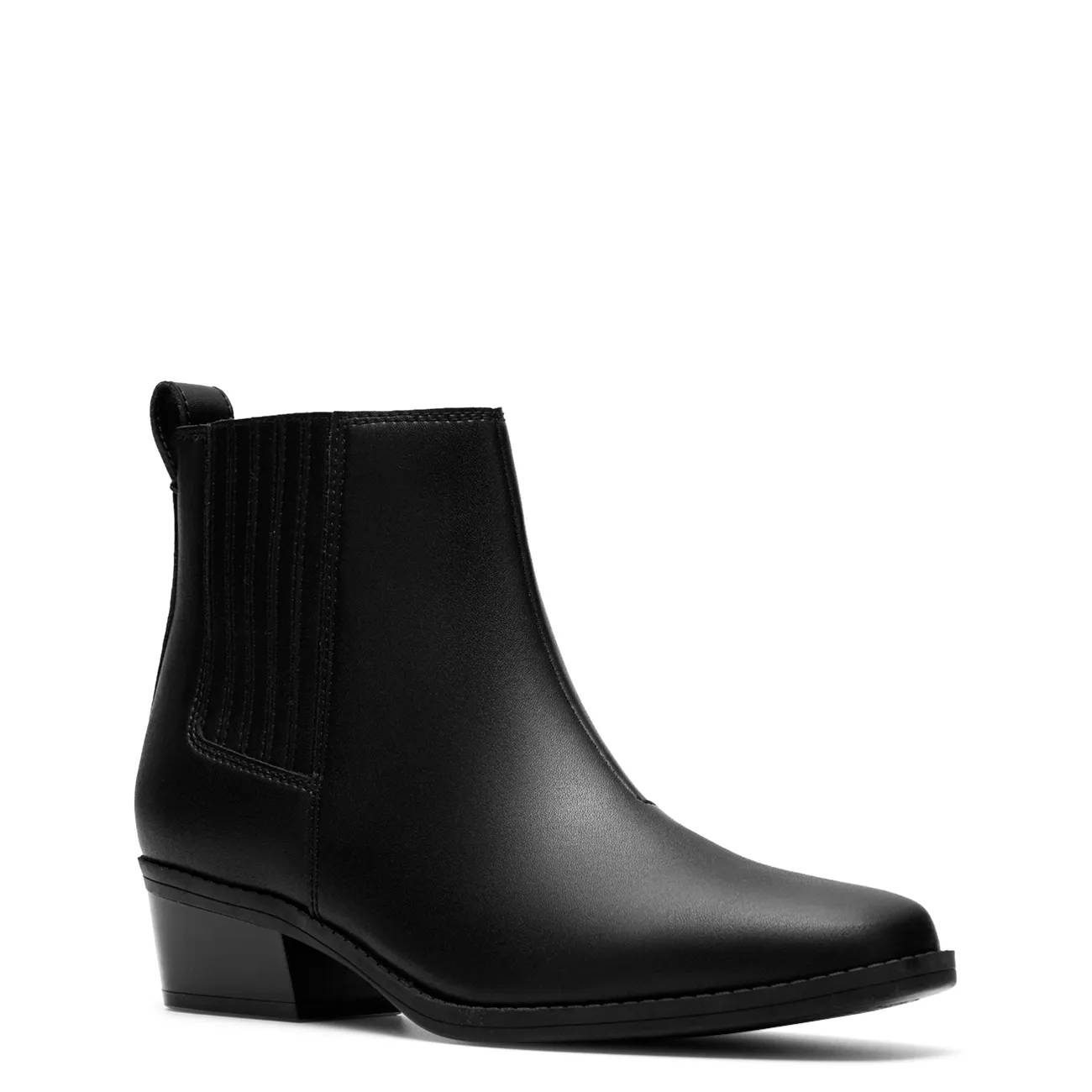
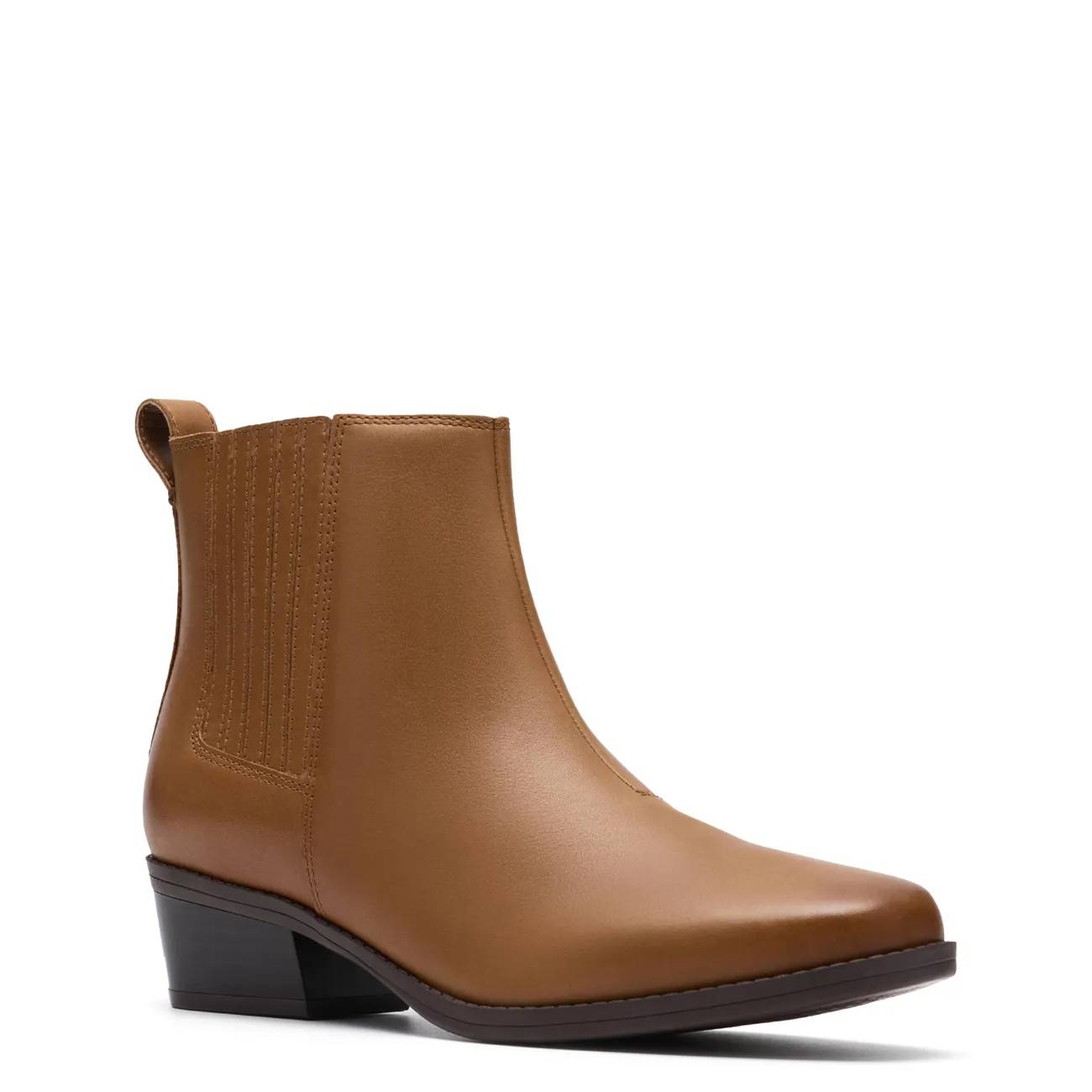
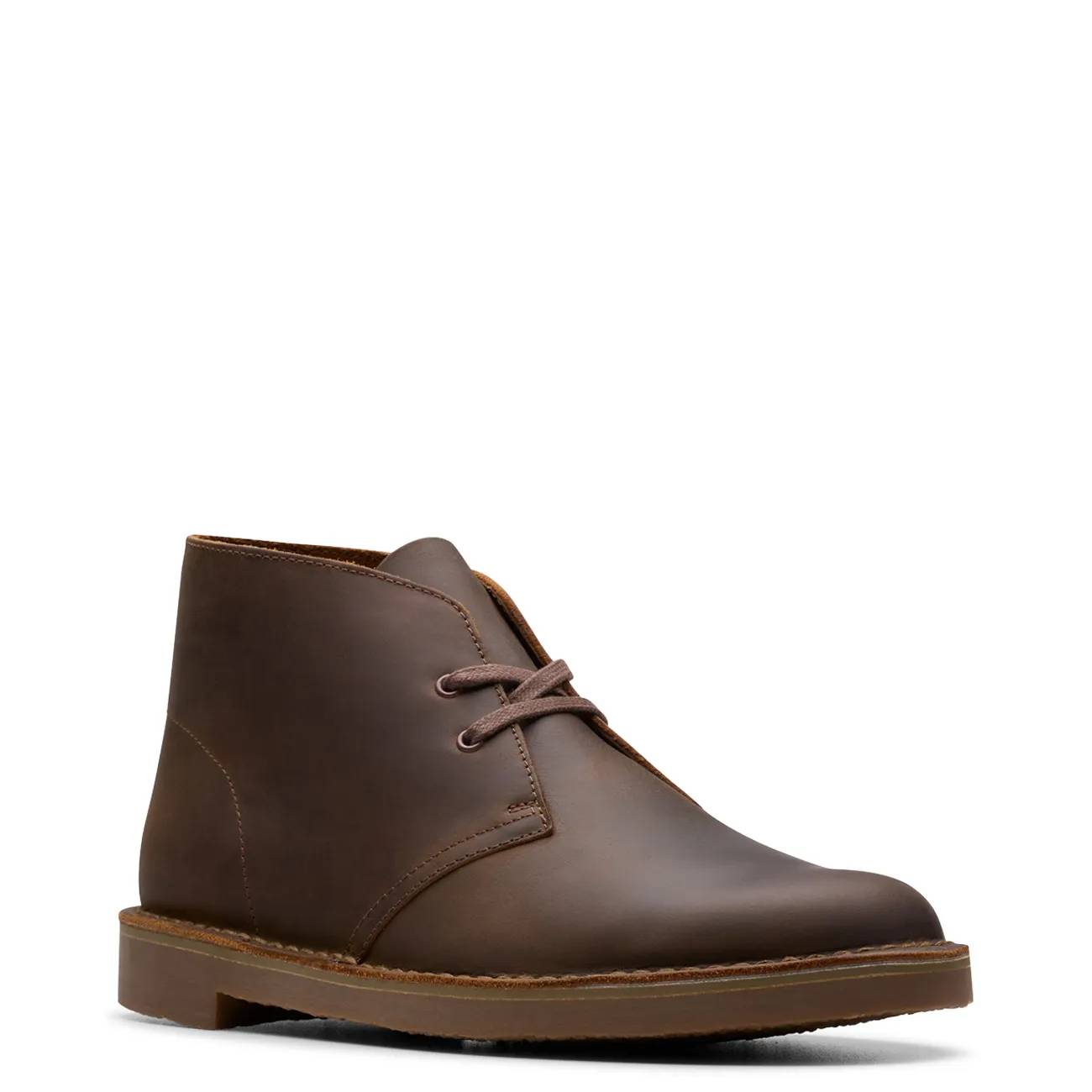
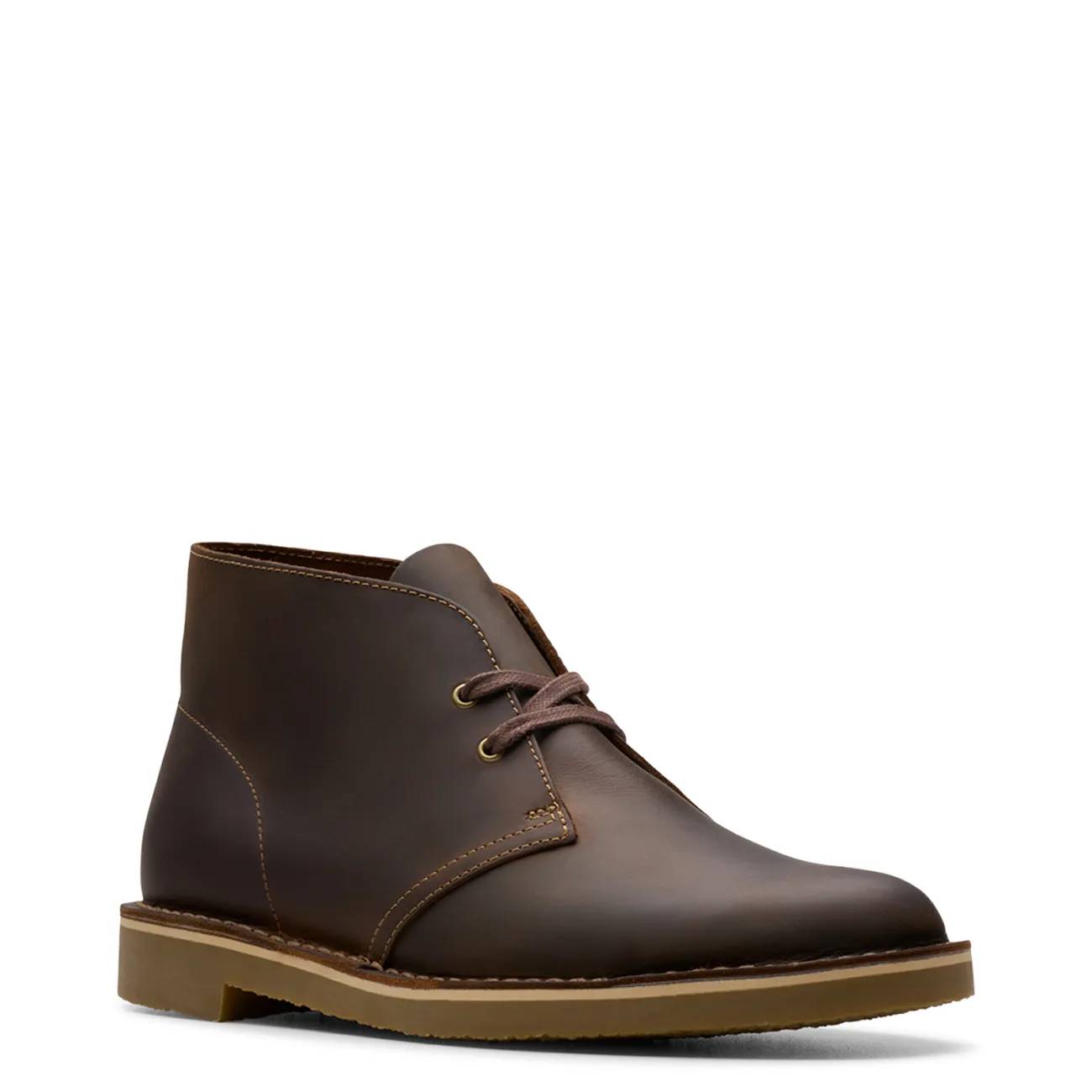
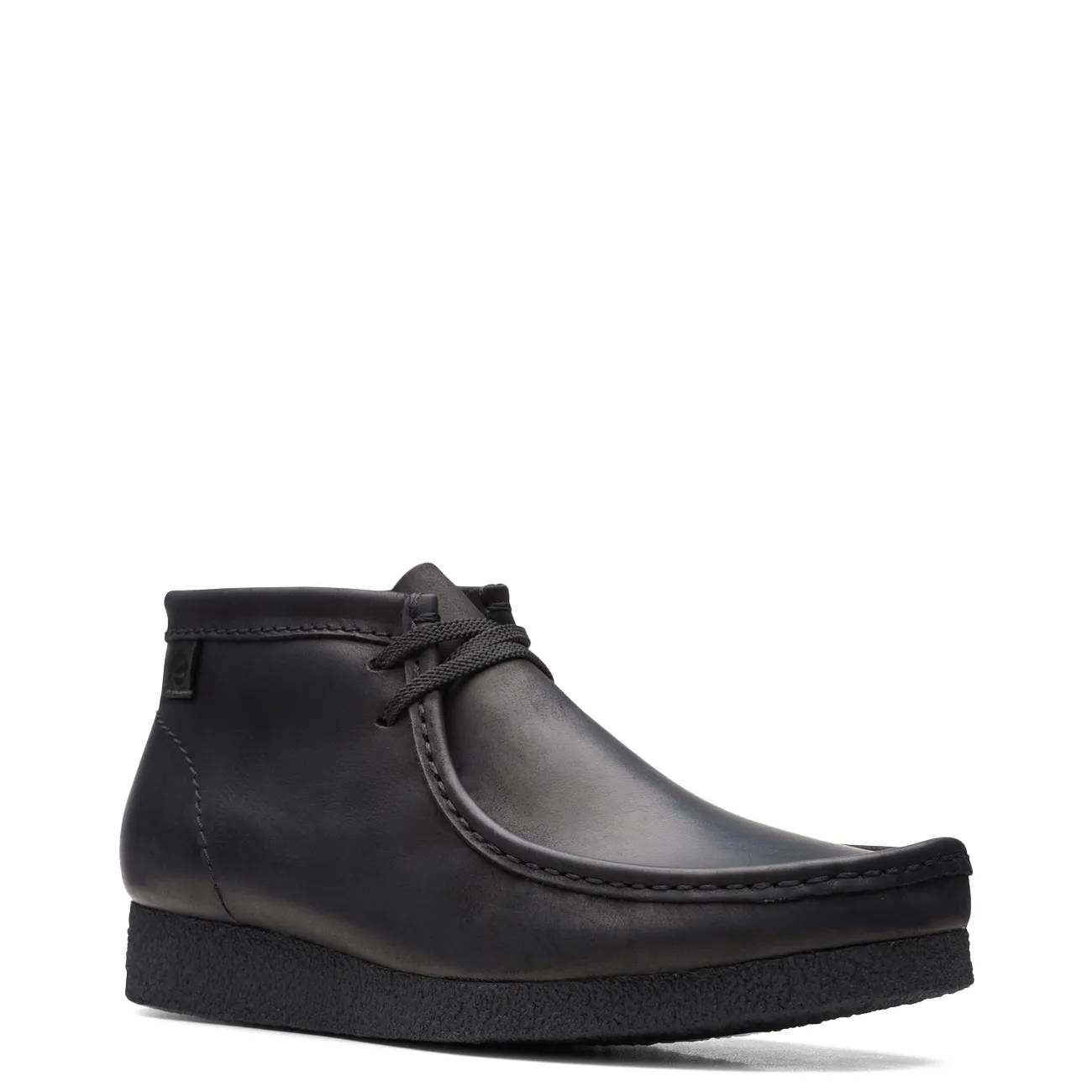
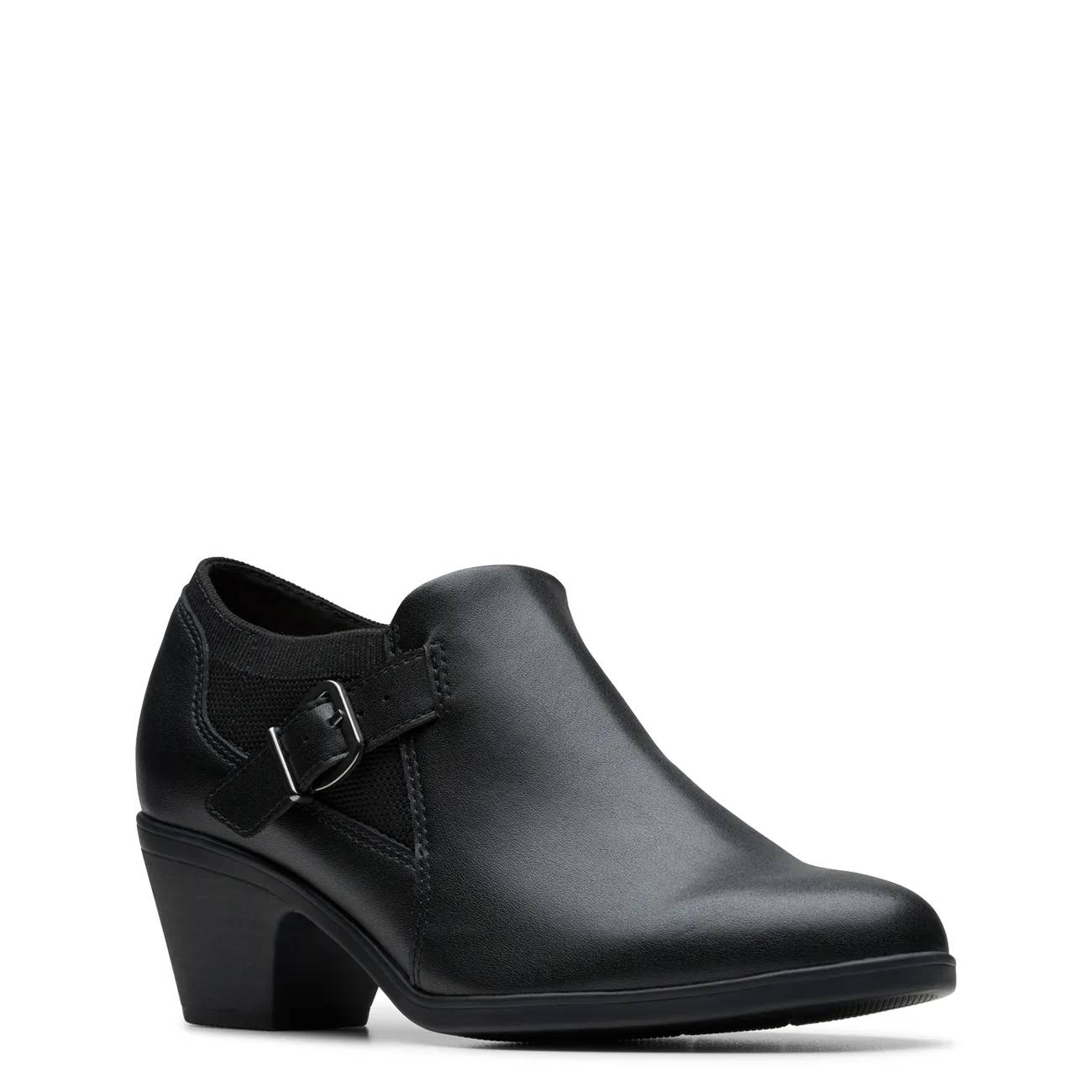
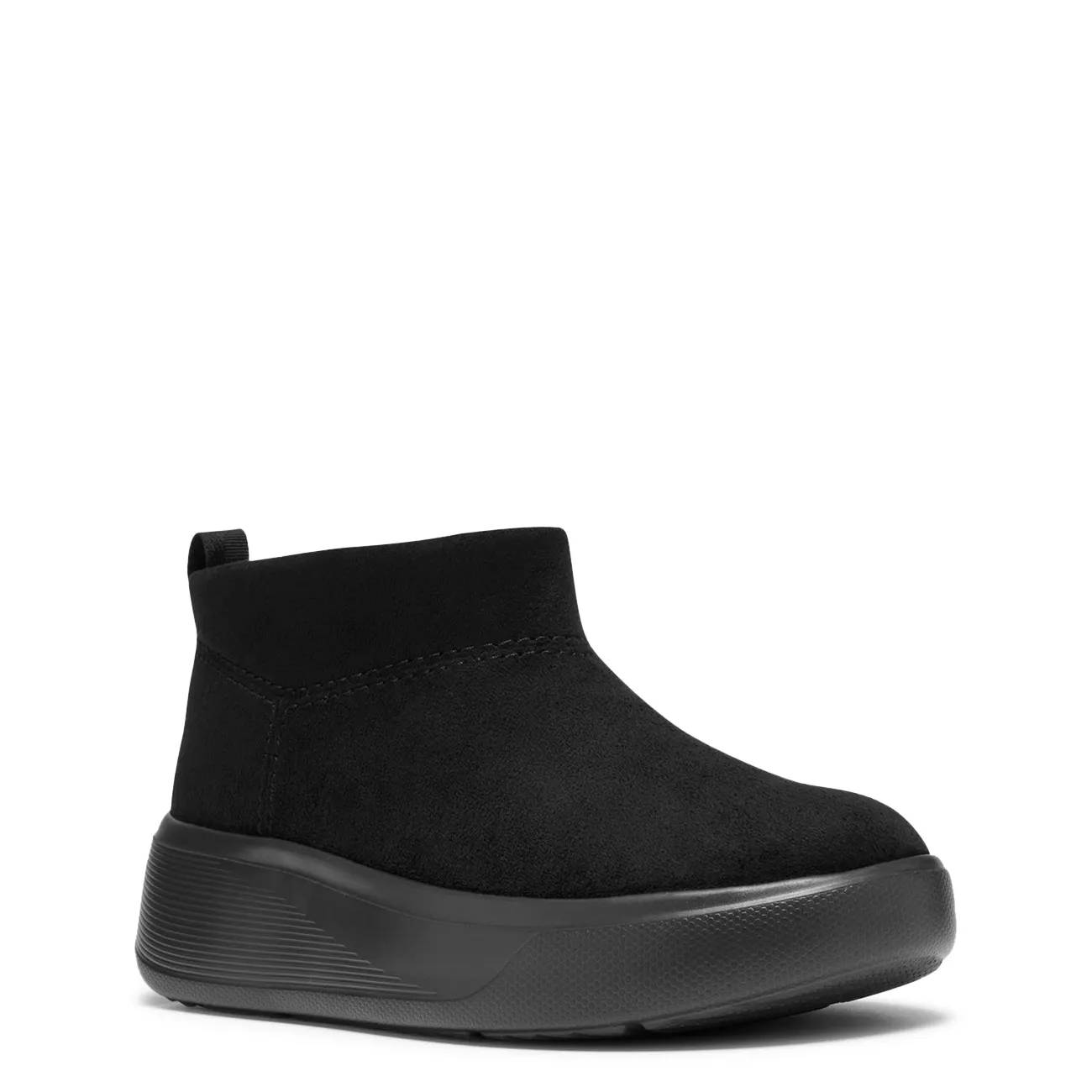
Clarks boots pair traditional English shoemaking with comfort technology that holds up through wet autumns and snow-packed winters. The brand traces back to 1825 in Street, Somerset, and that history shows in the leather tanning and last shaping still used today. Shoppers pick Clarks boots because the Desert Boot pairs with jeans on the weekend and holds up under a work jacket on Monday. This page covers the styles built for daily wear, not trend pieces that fade by spring.
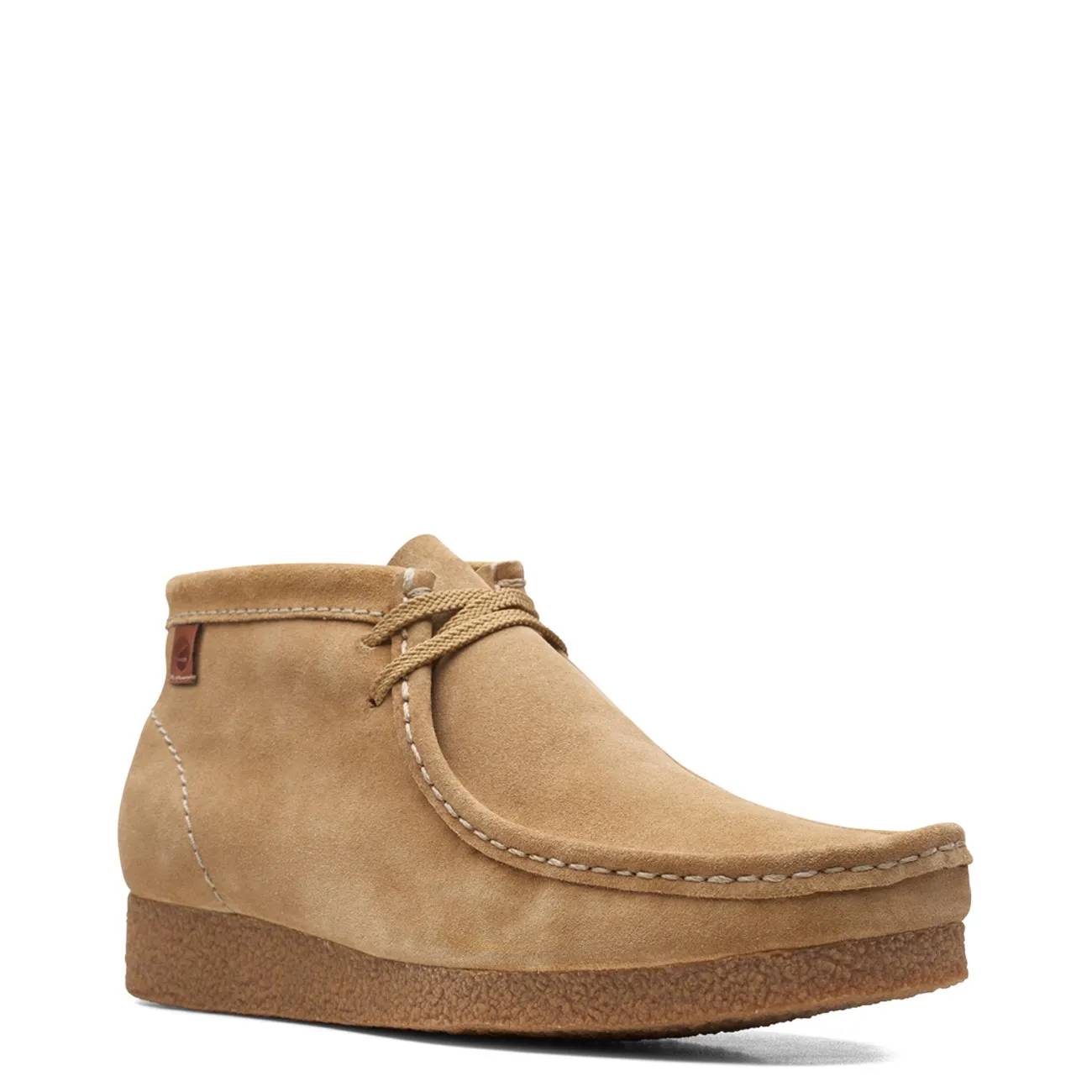
Clarks Boots for Every Silhouette
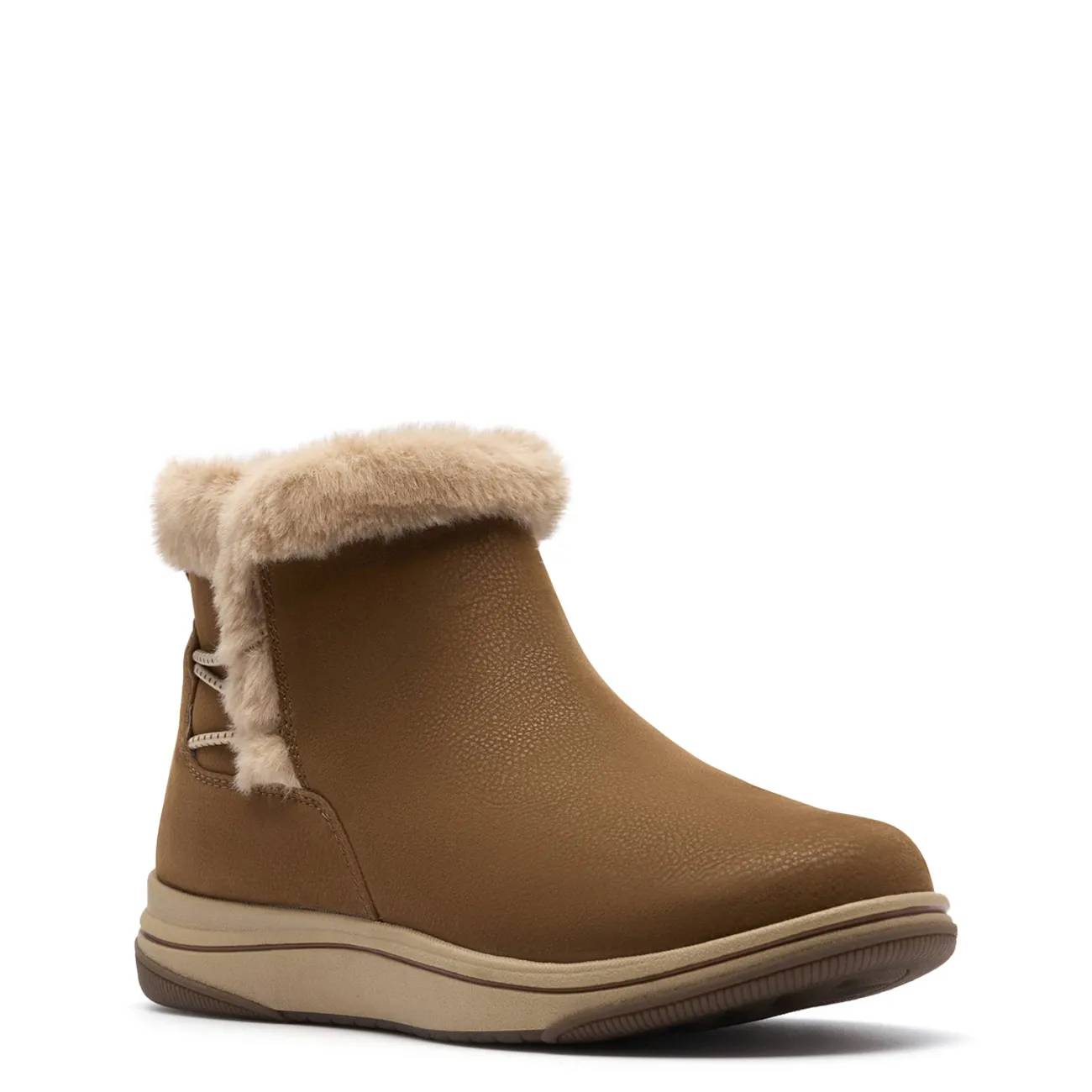
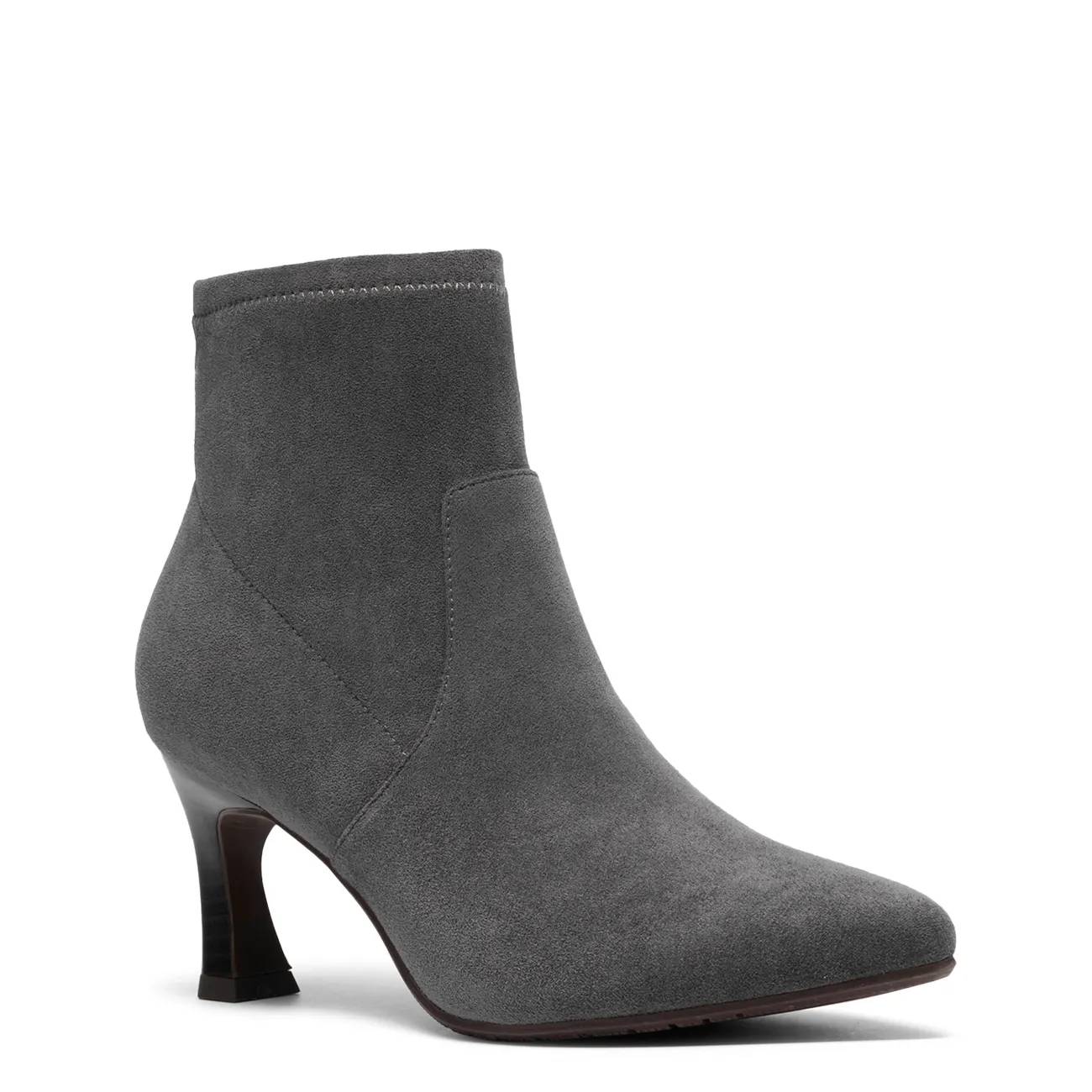
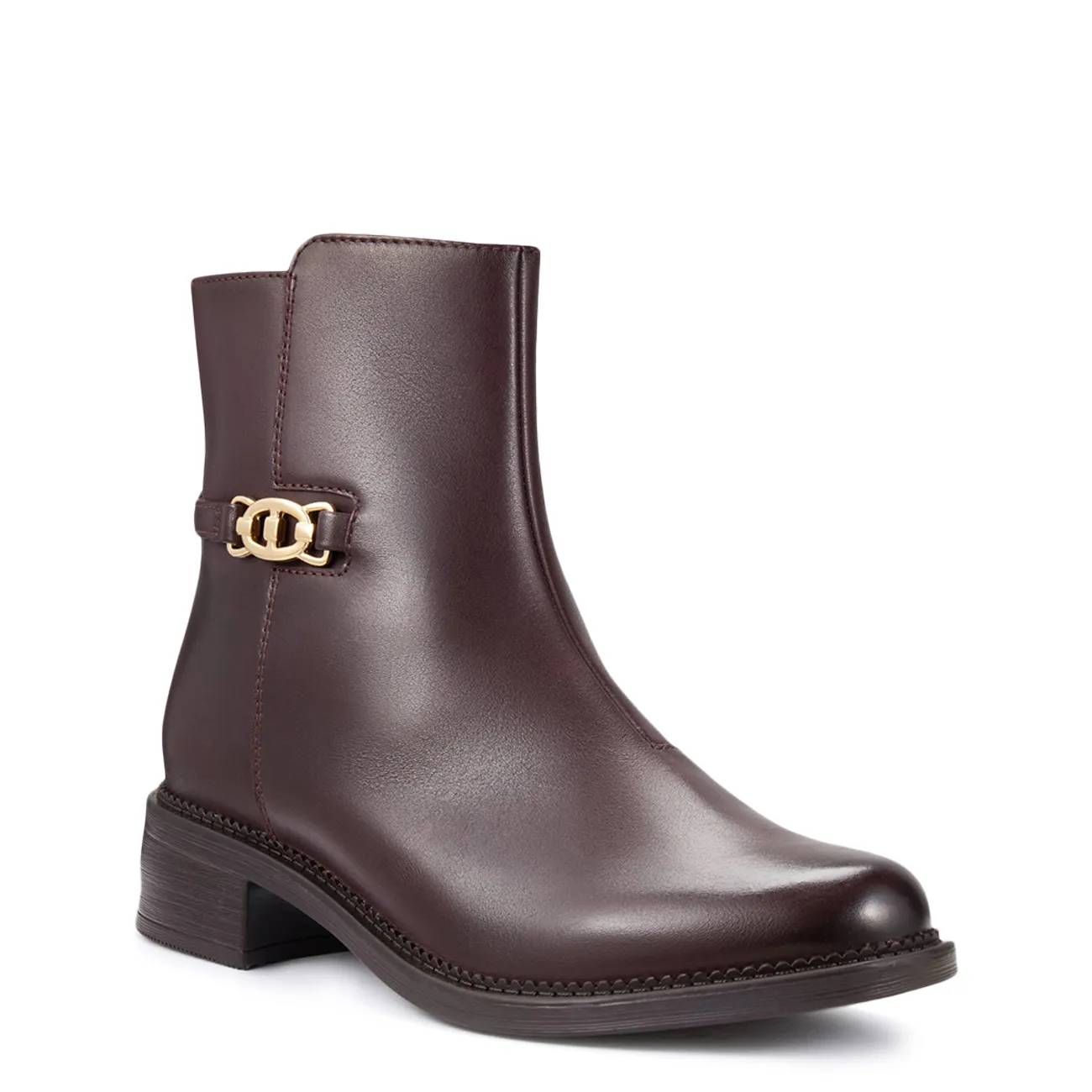
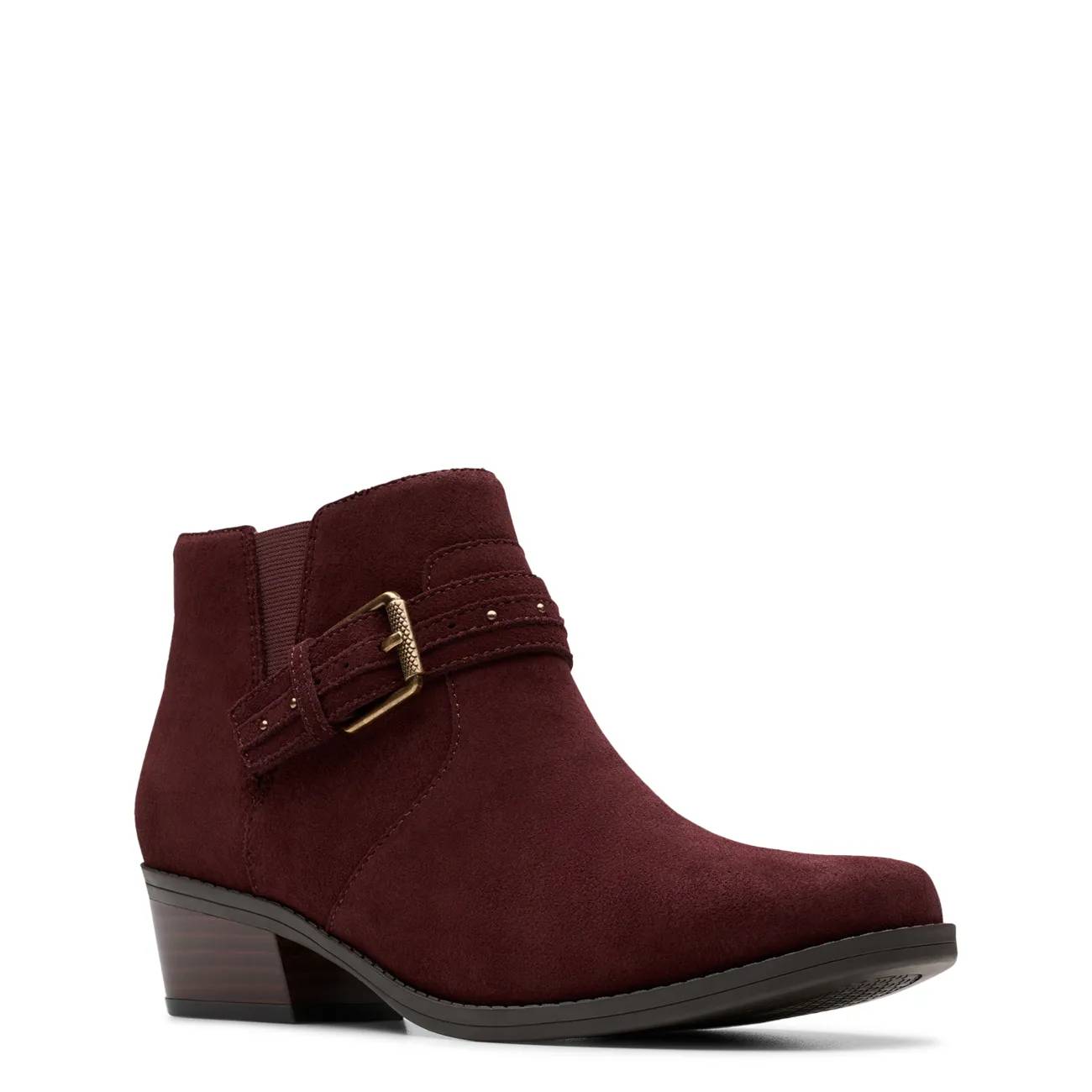
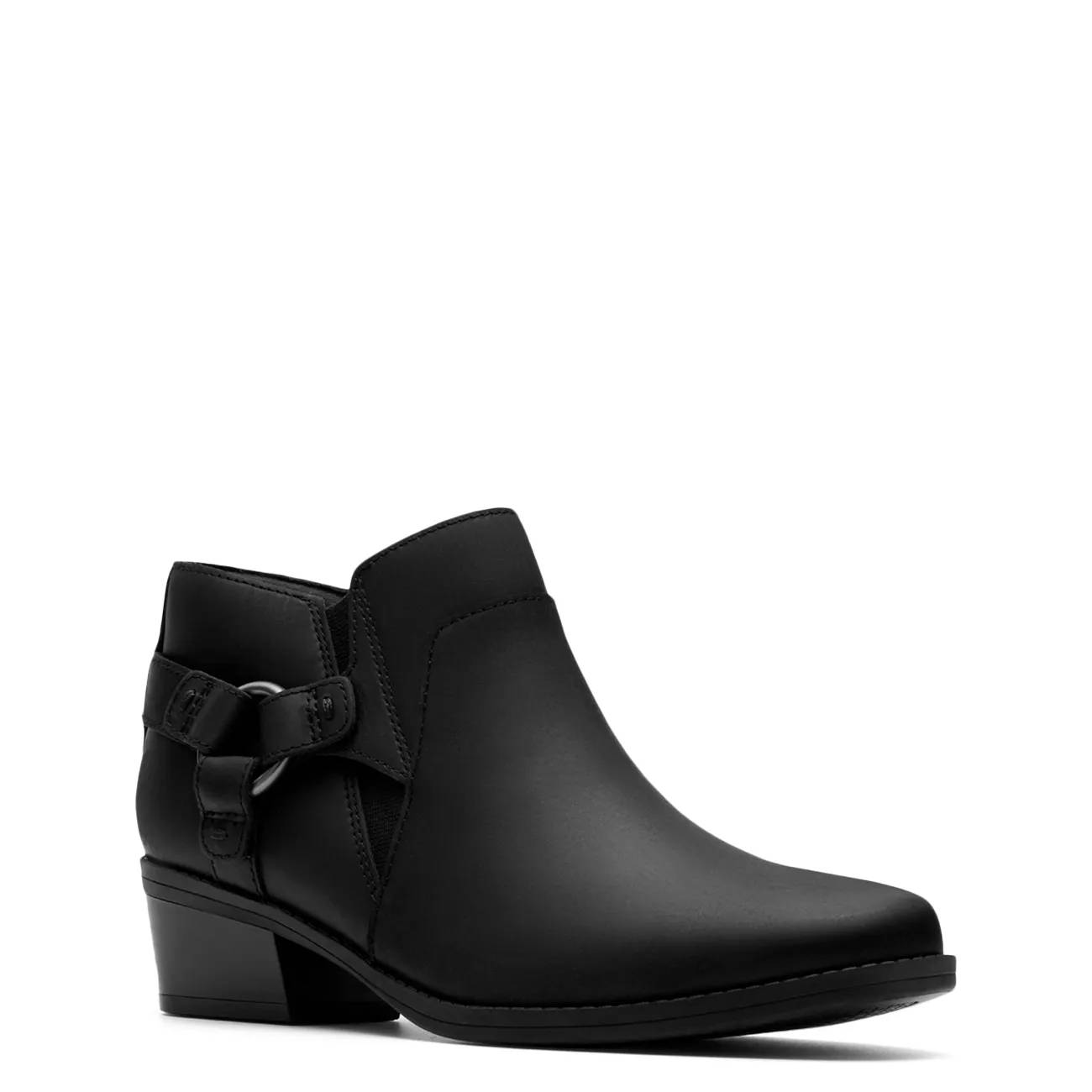
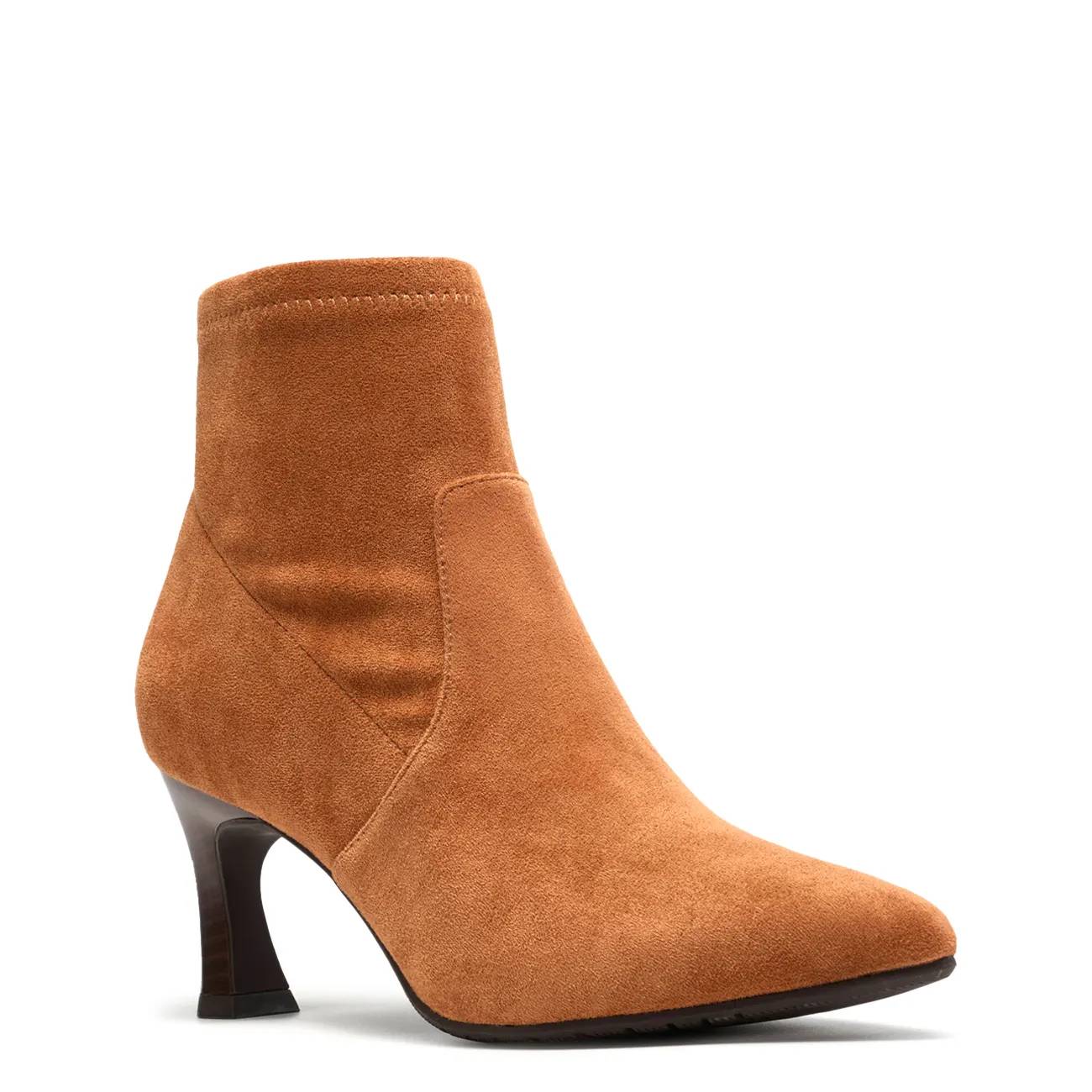
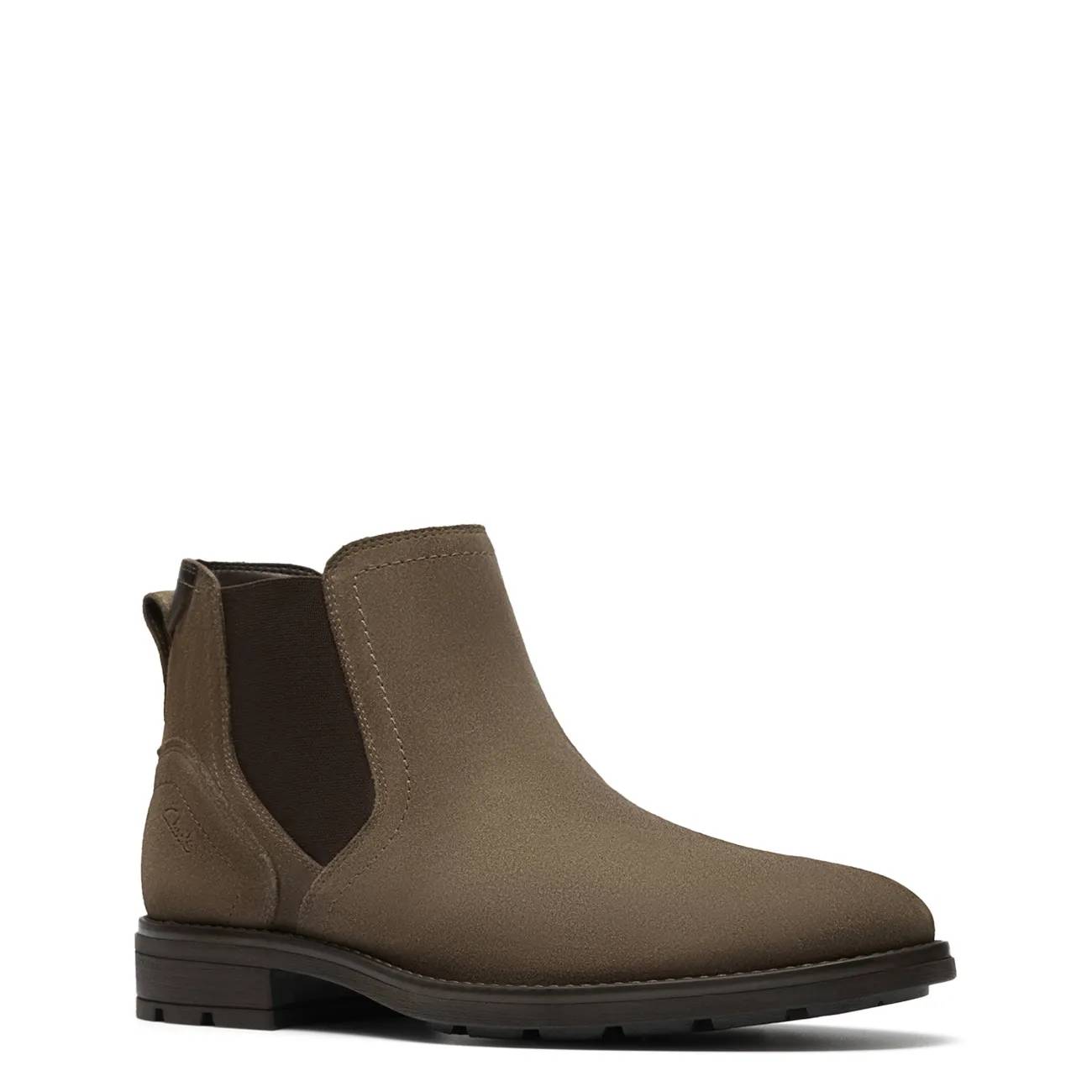
Widths run narrow to wide, and half sizes come on most core styles. Suede uppers need a protector spray before first wear, since Canadian road salt eats away at unprotected suede fast.
Built-In Comfort Technology
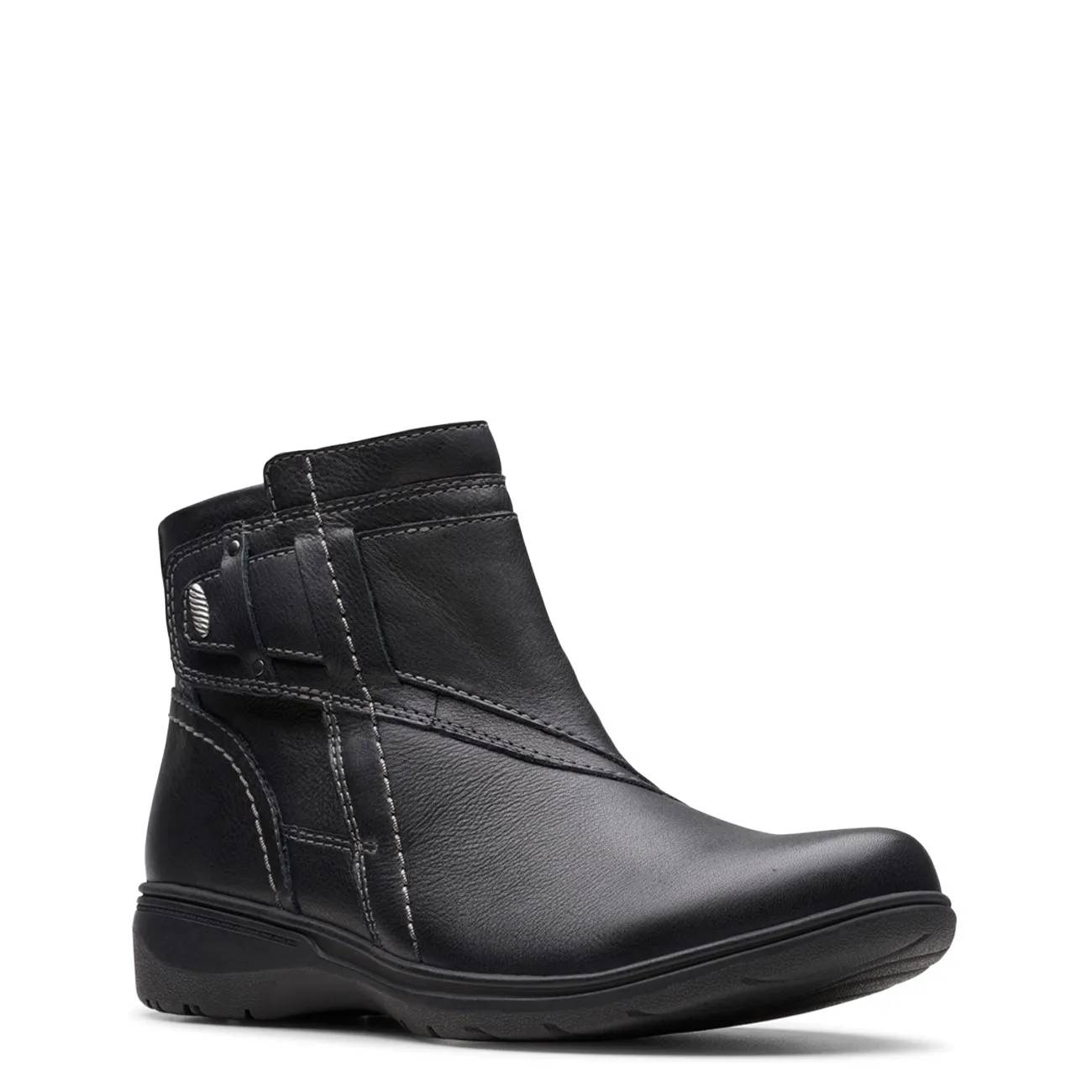
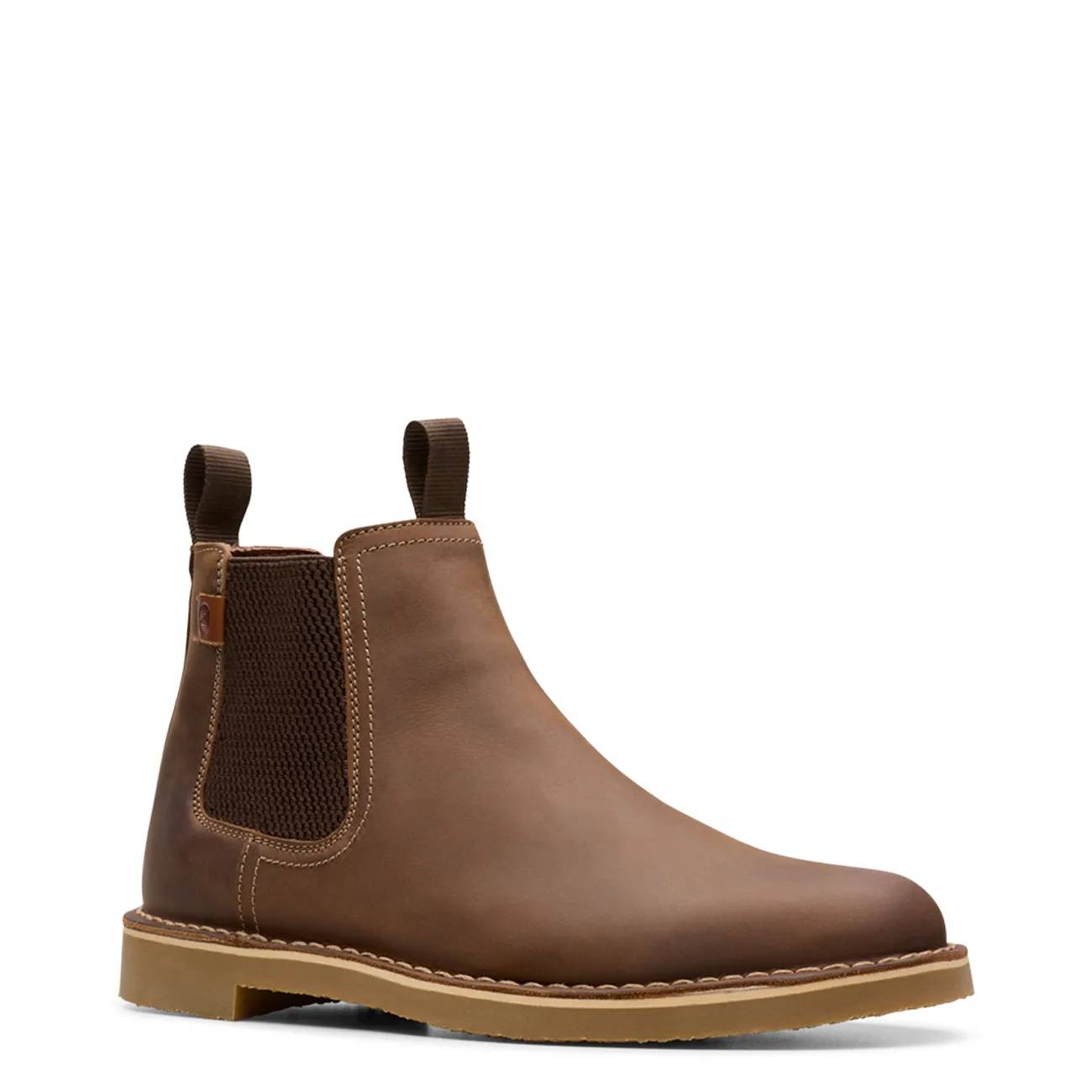
Most Clarks boots use an Ortholite footbed with a contoured heel cup and cushioned arch support. That construction reduces pressure points on concrete floors during long shifts. Crepe soles flex with each step instead of stiffening in cold temperatures, which matters once the mercury drops below freezing.
Choosing Clarks Boots for Canadian Weather
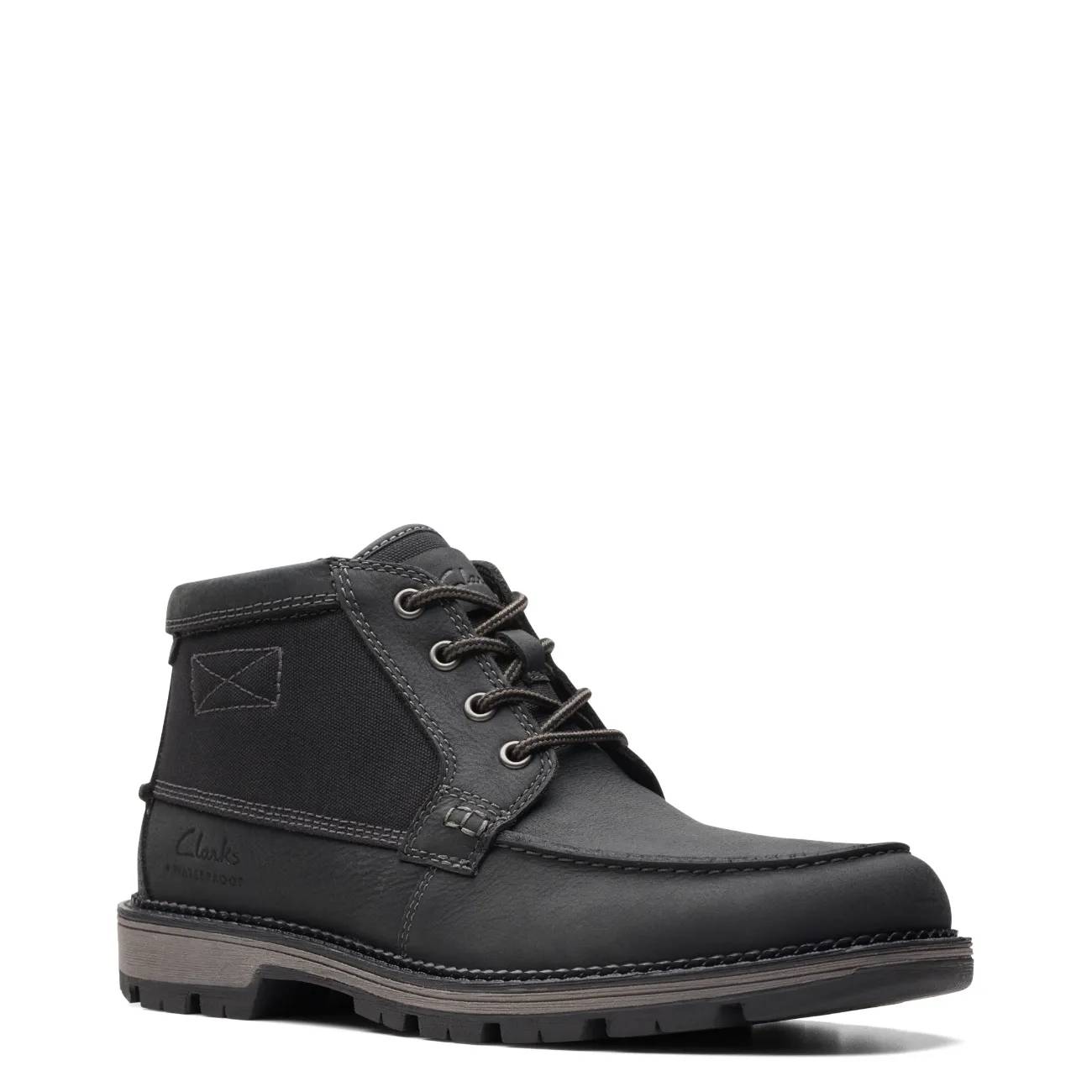
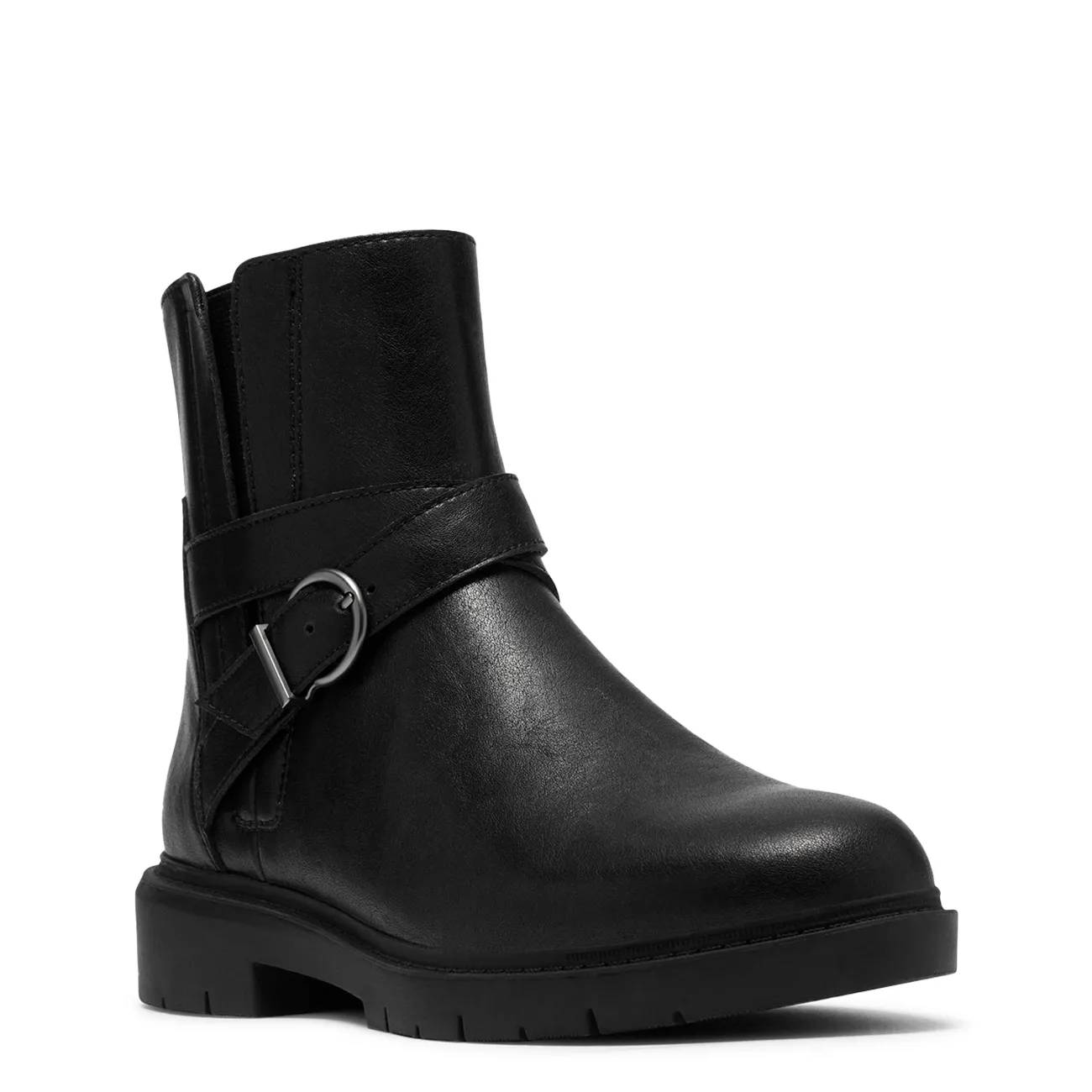
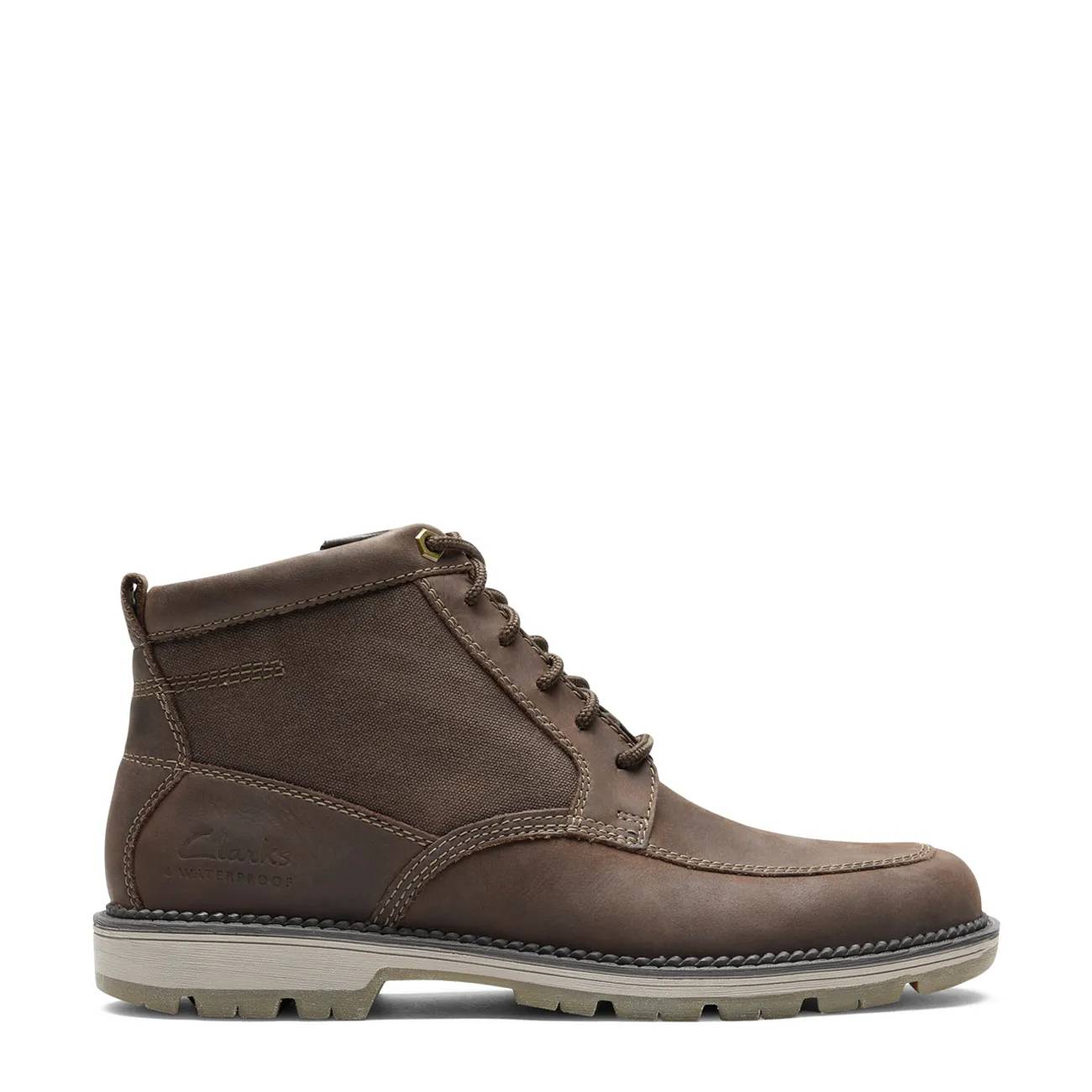
Waterproof leather treatments and sealed seams matter once slush season hits most Canadian cities. A rubber-lug outsole grips better on ice than a smooth crepe sole, so match the tread to the commute. Layer with wool socks on the coldest days since Clarks boots run true to size rather than oversized.
FAQ
What are the most popular Clarks boot styles? The Desert Boot and Wallabee are the brand's longest-running silhouettes, available in suede and leather uppers.
Are Clarks boots true to size? Yes, Clarks boots run true to size with half sizes and multiple width options on most core styles.
Are Clarks boots good for winter weather in Canada? Leather Clarks boots with a rubber-lug sole handle snow and slush well; suede styles need a protector spray first.